
Notas al pie
- A. Opcional para el HAMILTON-T1



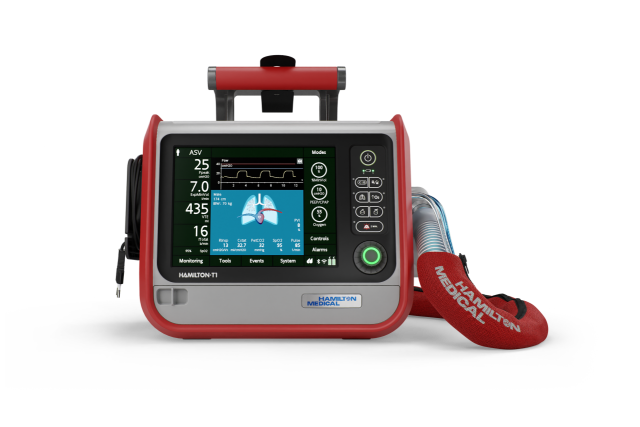
Aunque sus pacientes salgan de la UCI, sus necesidades de ventilación siguen siendo igual de complejas. Durante los traslados, es fundamental mantener una terapia respiratoria de alta calidad y seguir disponiendo de acceso completo a los modos, la monitorización y los ajustes de precisión, todo ello en entornos extrahospitalarios con los que no estamos familiarizados.

El estado de un paciente puede empeorar rápidamente durante el traslado. Por ello, necesita un respirador que sea capaz de responder con esa misma rapidez, que ofrezca información clara, acceso rápido a las alarmas y la posibilidad de adaptar los ajustes de ventilación en cuestión de segundos.
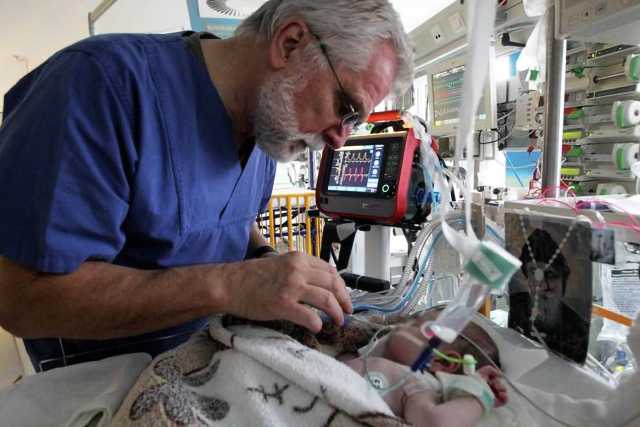
Utilizamos el HAMILTON-T1 para el traslado de un sitio a otro del hospital y a otros hospitales. Así se garantiza que el paciente recibe la misma calidad de ventilación durante el traslado que a pie de cama.
Jefe médico interdisciplinar de la UCI pediátrica
Centro de pediatría y medicina para adolescentes, Mainz, Alemania

En la UCI, puede apoyarse en los análisis de laboratorio, la gasometría arterial y las imágenes para guiar la estrategia de ventilación. Durante los traslados, generalmente hay que tratar al paciente sin ninguna de estas herramientas. Por este motivo, depende de las formas de onda en tiempo real, las tendencias y una visualización intuitiva de los datos para respaldar sus decisiones clínicas en este tipo de situaciones.

Ambulancias, helicópteros y aviones medicalizados combinan espacio reducido con movimiento constante. Su respirador ha de ser compacto, estable y capaz de funcionar sin una fuente de alimentación eléctrica, además de mantenerse firmemente sujeto bajo cualquier circunstancia.

El equipo de asistencia prehospitalaria de Hamilton Medical se compromete a ofrecer servicios y asistencia integral de ventilación mecánica durante el transporte en entornos prehospitalarios.