

Session expired

Due to inactivity your session has expired. Please login again.


Passer à États-Unis

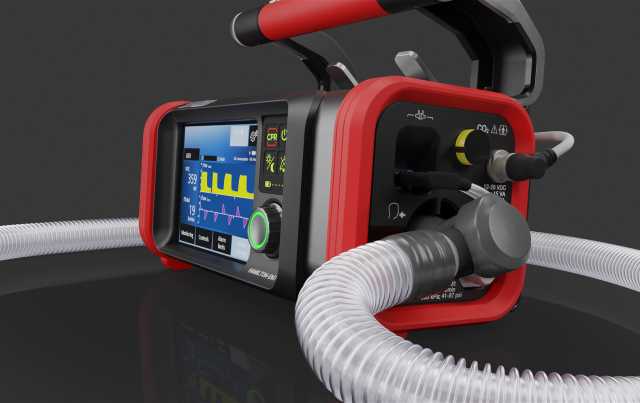
HAMILTON-EM7.

Confident ventilation in emergency care

HAMILTON-EM7

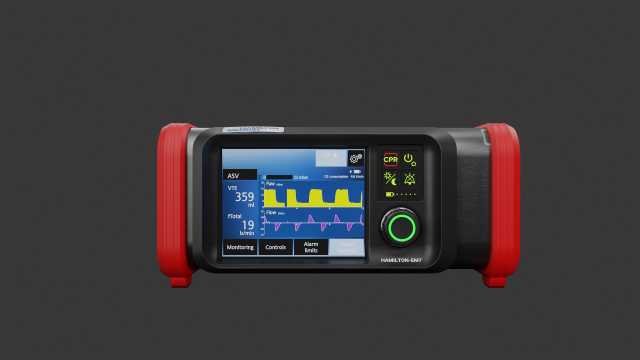
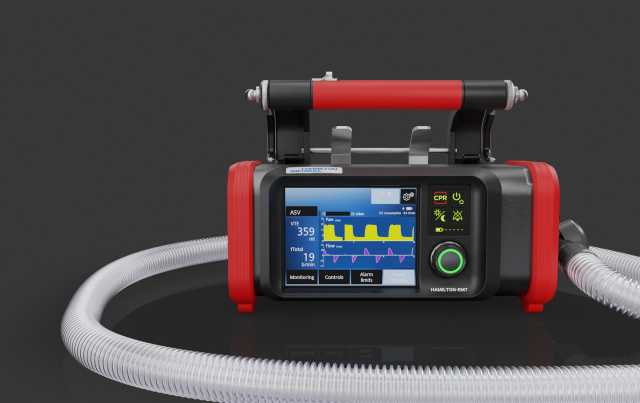
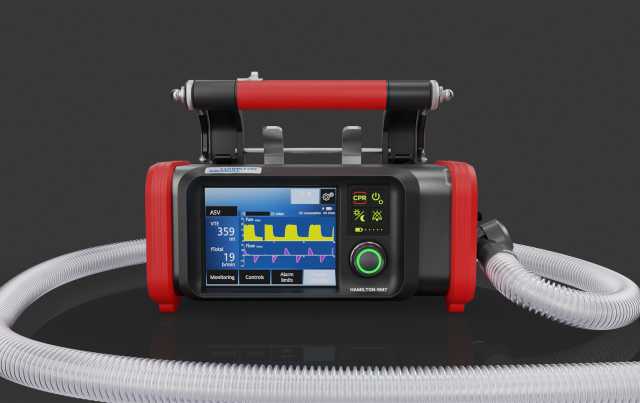
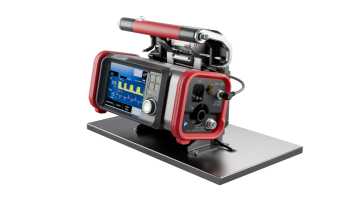
Small, durable, powerful. The HAMILTON-EM7

  • Compact design and lightweight
  • Sturdy aluminum housing
  • Battery run time of up to 8.5 hours
  • For adult and pediatric patients
  • Invasive and noninvasive ventilation including O2 therapy
HAMILTON-EM7
HAMILTON-EM7

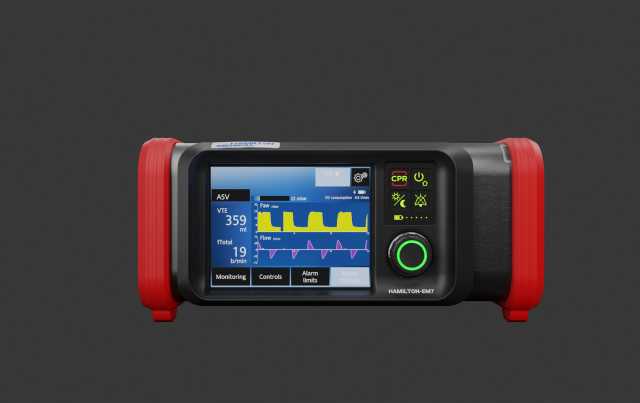
Small, durable, powerful. The HAMILTON-EM7

  • Compact design and lightweight
  • Sturdy aluminum housing
  • Battery run time of up to 8.5 hours
  • For adult and pediatric patients
  • Invasive and noninvasive ventilation including O2 therapy
HAMILTON-EM7

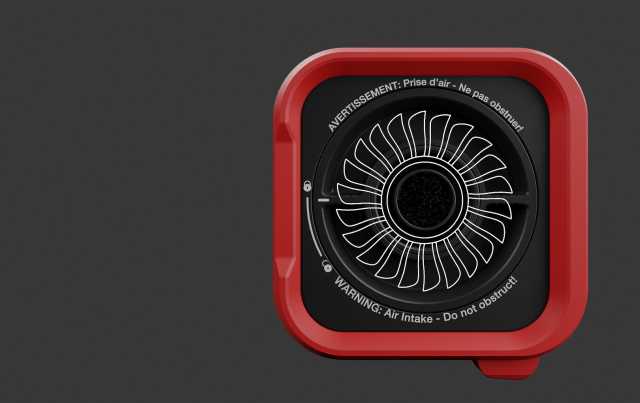
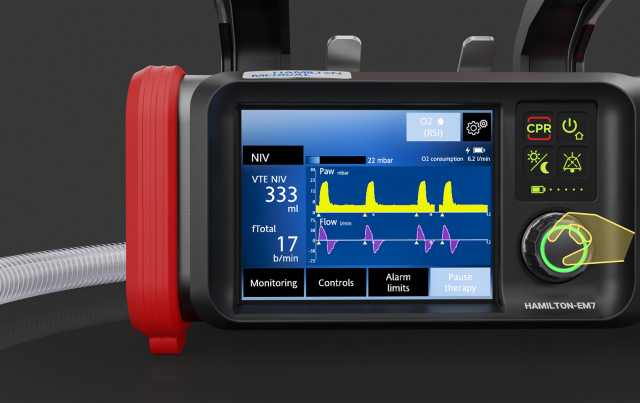
A high performer. For uncompromised NIV therapy

The powerful integrated turbine delivers flows > 215 l/min to meet the needs of your mask-ventilated patients.

HAMILTON-EM7

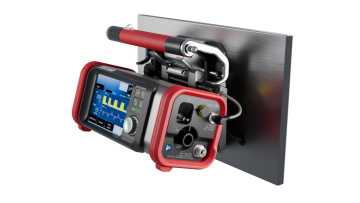
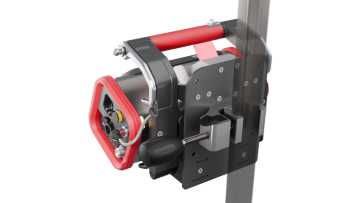
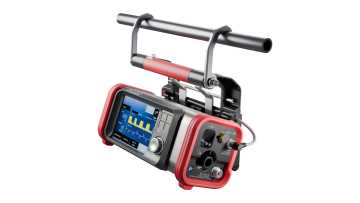
Clicking together. Universal mounting solutions

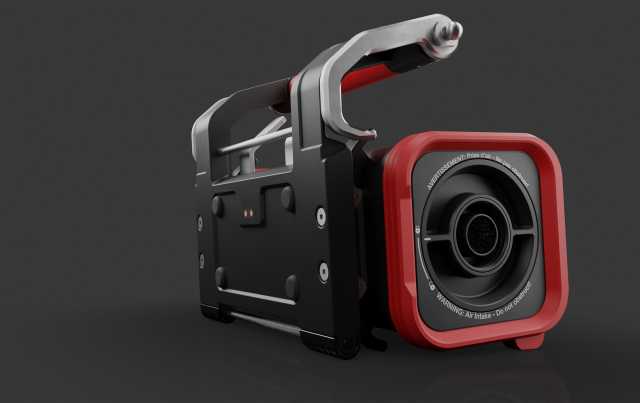
With multiple mounting options, the HAMILTON-EM7 integrates seamlessly into your specific environment. Mount it easily on standard rails or poles, and unlock it with just one hand for quick, hassle-free access.

HAMILTON-EM7

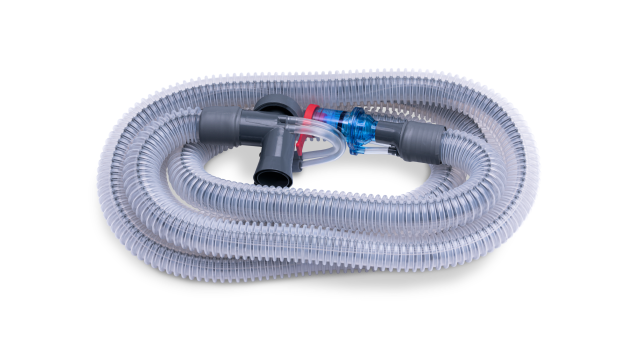
Fused for function. All-in-one breathing circuit set

Preassembled breathing circuit set with integrated pressure lines, expiratory valve, and flow sensor for a simpler setup.

HAMILTON-EM7

Reduced to the max. Designed for total clarity

Together with the color touch screen, the press-and-turn knob and hard keys enable intuitive operation, enhanced by a clean, user-friendly interface that shows only the relevant monitoring and waveform data.

HAMILTON-EM7

Workflow support. From startup to intubation

  • Fast device startup including device self-test
  • Guided preop checks and patient configuration
  • CPR ventilation settings
  • ASV (Adaptive Support Ventilation)
  • RSI
HAMILTON-EM7

By your side. Performance you can count on

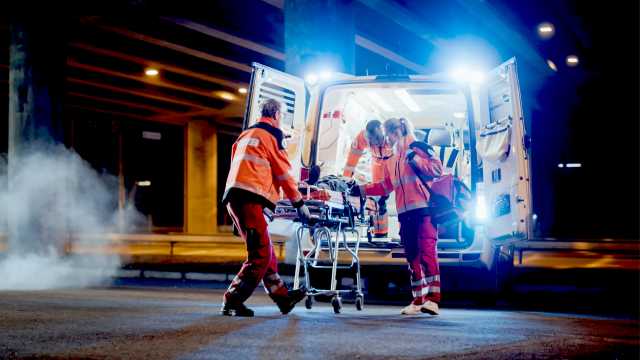
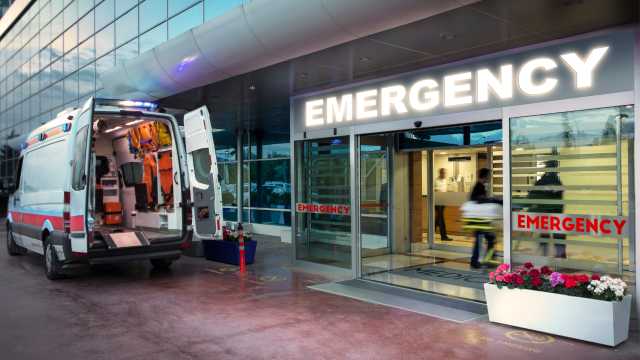
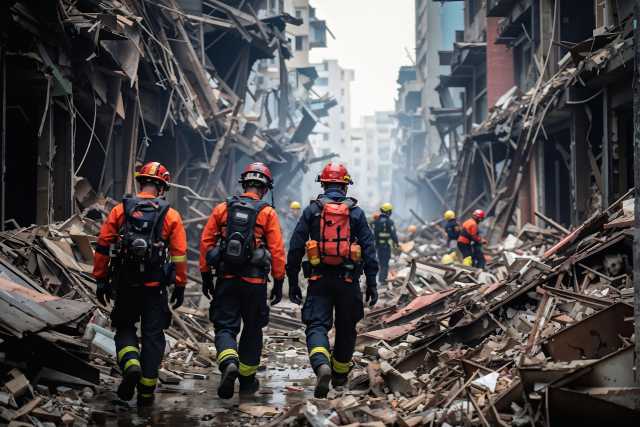
The HAMILTON-EM7 is designed to support reliable ventilation anytime and anywhere it is needed. Built for use in challenging environments and across a wide range of respiratory conditions, it delivers consistent performance to help healthcare professionals provide effective patient care.

HAMILTON-EM7

Areas of use

Good to know

""

Ready for your mission. Specs that fit your needs

  • WxDxH: 280 x 133 x 126 mm (without handle)

  • Light weight: < 4 kg

  • Battery run time: Up to 8.5 hours

  • The HAMILTON-EM7 is equipped with the Hamilton Connect Module.

  • A specially developed interface protocol allows the connection of third-party devices for data transfer from the ventilator via Bluetooth.

  • Volume-controlled modes: (S)CMV, SIMV

  • Pressure-controlled modes: PCV+, DuoPAP, SPONT

  • Intelligent Ventilation: ASV

  • NIV modes: NIV, NIV-ST, CPAP, O2 therapy (increased gas flow of more than 15 l/min)

  • Quick-start modes for invasive and noninvasive ventilation are freely customizable.

  • Unused modes can be deactivated.

Want to see more?
Explore the 3D model

Discover the HAMILTON-EM7 from all angles and click on the hotspots to learn more.

Simplify your workflow with intelligent features

Raring to go! Fast operational readiness

The HAMILTON-EM7 can be started up in around just 30 seconds, including the initial self-test. Once the patient has been configured, workflow-based preoperational checks help to prepare the device for use step by step in no more than 90 seconds.

O2 therapy. On-scene oxygenation

O2 therapy is a valuable tool in prehospital settings that provides improved oxygenation for patients in need, without requiring intubation.

This option enables you to implement precise preoxygenation effectively out in the field.

Noninvasive ventilation. Your first line of defense

Choose between NIV, NIV-ST (Only available for HAMILTON-T1a​), or CPAP (Only available for HAMILTON-EM7b​) mode to support you in a range of different scenarios and ensure enhanced patient comfort.

Compared to ventilators using compressed air, our turbine‑driven ventilators are capable of providing higher peak flow rates. This guarantees uncompromised performance even with large leaks.

Rapid sequence intubation (RSI) support. From preoxygenation to intubation

The RSI mode on the HAMILTON-EM7 supports the user in the transition from noninvasive to invasive ventilation, providing a clear, step-by-step guide for rapid intubation.

CPR ventilation. Focus on compressions, not the ventilator

Focus, speed, and precision are paramount in critical moments, while distractions should be minimized. CPR ventilation adapts ventilation settings to situations where resucitation is being performed, following international guidelines (Del Rios M, Bartos JA, Panchal AR, Atkins DL, Cabanas JG, Cao D, Dainty KN, Dezfulian C, Donoghue AJ, Drennan IR, Elmer J, Hirsch KG, Idris AH, Joyner BL, Kamath-Rayne BD, Kleinman ME, Kurz MC, Lasa JJ, Lee HC, McBride ME, Raymond TT, Rittenberger, JC, Schexnayder SM, Szyld E, Topjian A, Wigginton JG, Previdi JK. Part 1: executive summary: 2025 American Heart Association Guidelines for Cardiopulmonary Resuscitation and Emergency Cardiovascular Care. Circulation. 2025;152(suppl):S284–S312. doi: 10.1161/CIR.0000000000001372 101​, Greif R, Lauridsen KG, Djärv T, et al. European Resuscitation Council Guidelines 2025 Executive Summary. Resuscitation. 2025;215 Suppl 1:110770. doi:10.1016/j.resuscitation.2025.110770102​).

It supports you with quick access to preconfigurable settings, adequate alarm and trigger adjustment, and CPR-timer display.

Time-based capnography. Supporting informed decision-making

Capnography provides continuous etCO2 monitoring to assess ventilation effectiveness, airway integrity, and patient status in real time.

It gives you immediate feedback during respiratory support, cardiac-arrest management, and transport, helping you make safer and more informed decisions.

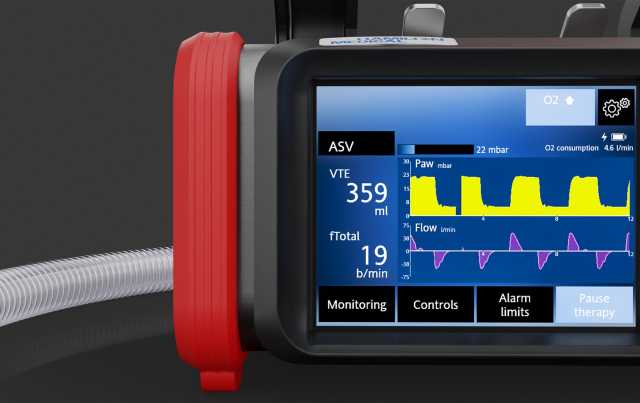
ASV - Adaptive Support Ventilation®. Support for you and your patients alike

ASV is an adaptive ventilation mode that continuously adjusts ventilation settings based on the patient's lung mechanics and effort.

This helps to simplify ventilation for prehospital transport teams by providing one mode for both active and passive intubated patients, and only three parameters to control CO2 elimination and oxygenation.

Mesh nebulizer. For additional treatments

Delivering a fine mist of drug aerosol particles can help you reverse bronchospasm, improve ventilation efficiency, and reduce hypercapnia (Dhand R. New frontiers in aerosol delivery during mechanical ventilation. Respir Care. 2004;49(6):666-677. 100​​). 

Convenient consumables

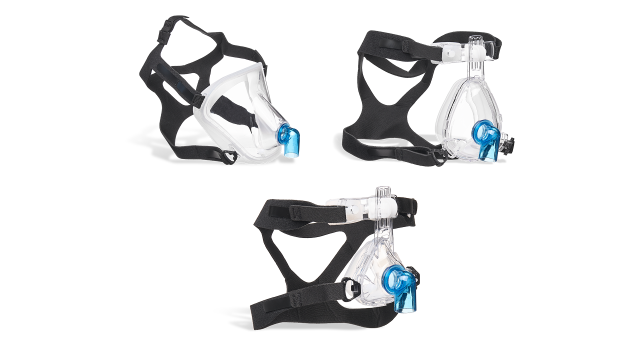
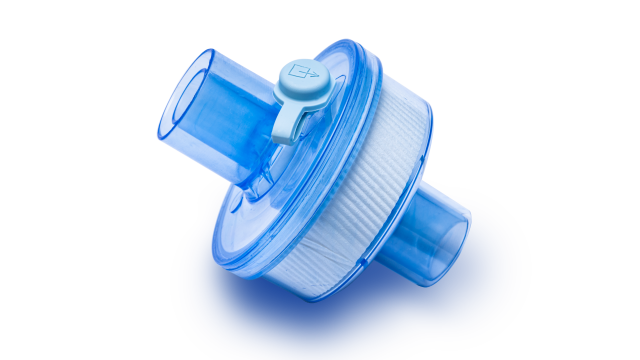
Essential consumables to run your ventilator

Essential consumables from Hamilton Medical are all built for optimal performance with our ventilators. To ensure maximum user satisfaction and patient safety, we designed them for your ease of use — according to the highest quality and safety standards.

Start your ventilator training

""

Get the hang of it! Learning paths and simulations

The HAMILTON-EM7 Learning Hub offers easy-to-follow learning paths so you can get to know your ventilator and its technologies as quickly as possible.

Then try out your newly learned skills in a safe environment using the virtual patient model in our VenTrainer App!

Our 360° services

""

Ready when you are. Your partner for prehospital transport care

The Hamilton Medical Prehospital Team is committed to delivering comprehensive services and support around mechanical ventilation during transport in prehospital settings.

EMS_Prehospital_Team_Contact_Us

Questions? Get in touch!

Our Prehospital Team is happy to answer your questions and provide expert consultation.

New frontiers in aerosol delivery during mechanical ventilation.

Dhand R. New frontiers in aerosol delivery during mechanical ventilation. Respir Care. 2004;49(6):666-677.

The scientific basis for inhalation therapy in mechanically-ventilated patients is now firmly established. A variety of new devices that deliver drugs to the lung with high efficiency could be employed for drug delivery during mechanical ventilation. Encapsulation of drugs within liposomes could increase the amount of drug delivered, prolong the effect of a dose, and minimize adverse effects. With improved inhalation devices and surfactant formulations, inhaled surfactant could be employed for several indications in mechanically-ventilated patients. Research is unraveling the causes of some disorders that have been poorly understood, and our improved understanding of the causal mechanisms of various respiratory disorders will provide new applications for inhaled therapies.