
Retour

Industry insights: The future of prehospital ventilation

Article

Auteur: Hamilton Medical, with Dr. Mario Rugna, U.S.L. Toscana Centro

Date: 17.07.2026

Hamilton Medical explores the evolution of emergency respiratory care with Dr. Mario Rugna, Medical Director of Extra-Hospital Medical Education at the U.S.L. Toscana Centro.

A blaring siren sounds, the clock is ticking, and a life hangs in the balance. A bag, valve, and mask (BVM) functioned as the principal device for immediate respiratory support (Khoury A, Hugonnot S, Cossus J, et al. From mouth-to-mouth to bag-valve-mask ventilation: evolution and characteristics of actual devices--a review of the literature. Biomed Res Int. 2014;2014:762053. doi:10.1155/2014/7620531​)​ starting in 1953. In skilled hands, the BVM became a cornerstone of emergency care, saving countless lives. Since then, emergency medical services (EMS) have slowly been moving beyond manual ventilation and harnessing the power of mechanical ventilation to deliver more precise and patient-tailored support right at the scene. 

To better understand this evolution and what the future of prehospital ventilation could look like, Hamilton Medical sat down with Dr. Mario Rugna to gain insights and assess the impacts of moving mechanical ventilation into the treatment algorithm.

Expert contributor - Dr. Mario Rugna

Dr. Rugna is the Medical Director of Extra-Hospital Medical Education at the U.S.L. Toscana Centro in Florence, Italy, overseeing prehospital services across 13 hospitals and 1.5 million residents. He is also an emergency flight physician for Tuscany’s Regional Helicopter EMS. With a background in ER medicine, Dr. Rugna transitioned to prehospital care and now leads a team of over 300 providers. He has played a central role in training EMS personnel and is a strong advocate for integrating mechanical ventilation into prehospital emergency care. 

The ventilation gap: Is emergency airway management evolving?

Evolution often begins by combining classic, manual interventions with more modern, mechanical solutions. The prehospital care space is no different, as limitations of the traditional BVM (Idris AH, Aramendi Ecenarro E, Leroux B, et al. Bag-Valve-Mask Ventilation and Survival From Out-of-Hospital Cardiac Arrest: A Multicenter Study. Circulation. 2023;148(23):1847-1856. doi:10.1161/CIRCULATIONAHA.123.0655612​) become more evident and support for mechanical ventilation in transport settings (Harris M, Lyng JW, Mandt M, et al. Prehospital Pediatric Respiratory Distress and Airway Management Interventions: An NAEMSP Position Statement and Resource Document. Prehosp Emerg Care. 2022;26(sup1):118-128. doi:10.1080/10903127.2021.19946753​) grows. Yet despite mounting evidence, experts point out that efforts to prioritize mechanical ventilation are only progressing slowly.

Today’s care teams are generally aware of the benefits of mechanical ventilation and the challenges associated with the manual nature of the BVM. Known limitations include maintaining an adequate minute volume (consistent tidal volumes, rate, breath phase/I:E ratio or i-Time) and optimal airway pressures, correct measurement and maintenance of appropriate PEEP, leak detection, and operator fatigue. Although mechanical ventilation is able to counter these issues, it remains underutilized in practice.

Transport care experts like Dr. Mario Rugna believe the slow transition from the BVM is due to training barriers and adoption dynamics unique to prehospital and emergency medicine, despite widespread clinical evidence (Evan A. Kuhl; Thomas B. Perera. EMS portable ventilator management. StatPearls Publishing; 2024 Jan. Airway Management.4​) and field success supporting the integration of mechanical ventilation.

Clinicians rely on a bag in their hands, “because we are humans,” explains Dr. Rugna. “In the moment when you are out in the street with a young patient that is in cardiac arrest, you don’t think about the volume that you inflate, and you don’t think about the respiratory rate." For many, the BVM is a literal metaphor for those ‘touch-and-go' scenarios that highlight the gap between current manual practices and greater use of mechanical ventilation.
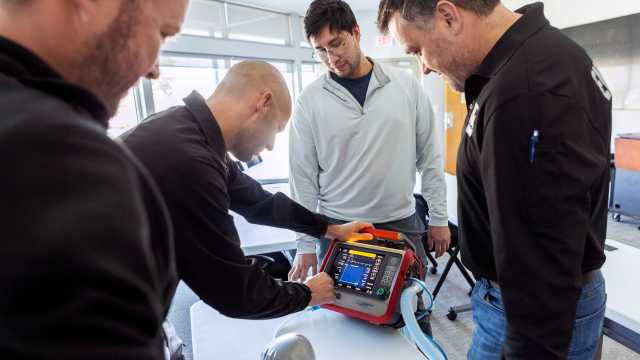
Customer Voices. Transitioning from BVM to MV with Parker County EMS

Hamilton_T1_Settings_EMS

Evolution through education: Driving the adoption of mechanical ventilation

In Dr. Rugna’s experience, the underutilization of mechanical ventilation in prehospital care stems primarily from a lack of confidence and familiarity with ventilation technology. He attributes this to inadequate initial training and continuing education. In his opinion, common training challenges (Evan A. Kuhl; Thomas B. Perera. EMS portable ventilator management. StatPearls Publishing; 2024 Jan. Airway Management.4​) include insufficient or lack of time dedicated to mechanical ventilation, infrequent hands-on experience to reinforce skills, and limited access to ongoing educational opportunities.

Mechanical ventilators have long been perceived as complex, difficult to train staff on, and challenging to operate under pressure. Dr. Rugna disagrees. “Today’s machines are easy to learn and simple to use. The EMS staff only needs to input the patient group, height, and sex,” he explains.

He emphasizes that the user-friendly interfaces on today’s transport ventilators help ease the training burden on his team, making broader adoption of mechanical ventilation more feasible.
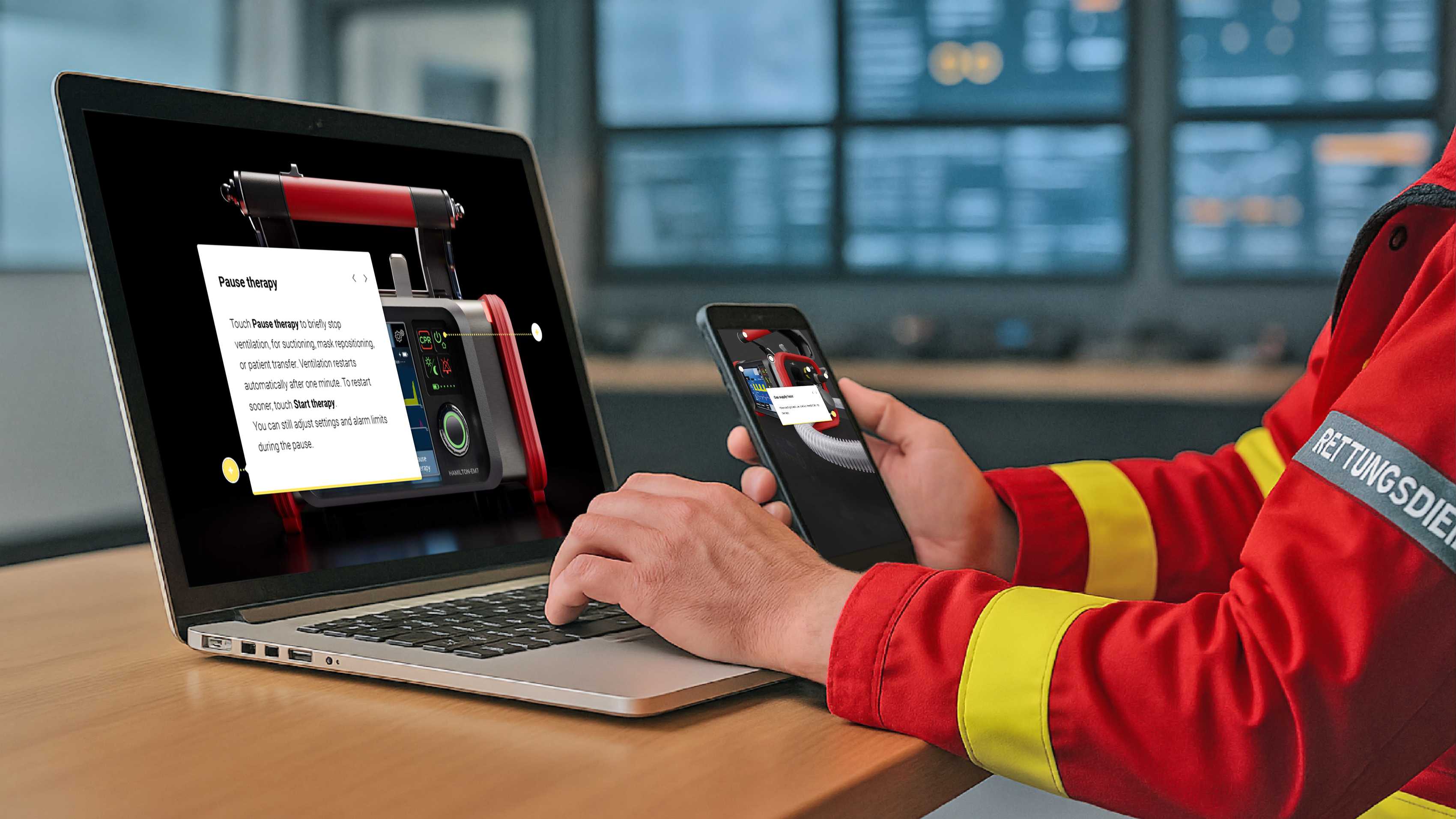
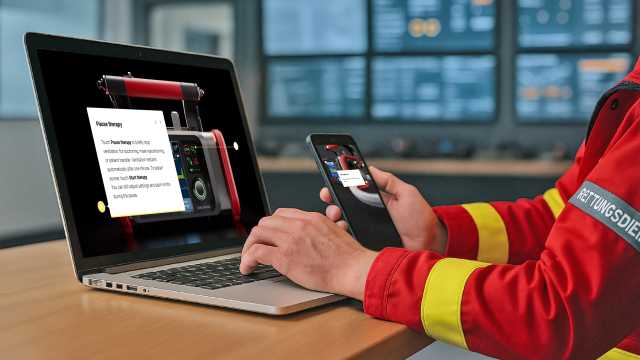
Paramedic with mobile phone and laptop page on HAMILTON-EM7 Learning Hub
Confident ventilation in any emergency. It all starts at the HAMILTON-EM7 Learning Hub
Paramedic with mobile phone and laptop page on HAMILTON-EM7 Learning Hub
Confident ventilation in any emergency. It all starts at the HAMILTON-EM7 Learning Hub

In addition, many ventilation technology providers are improving the services, training, and support resources they include with purchase of their devices. Solutions can incorporate flexible online training and certification programs, as well as software update services, preventive maintenance, and loaner device programs to minimize fleet downtime. 
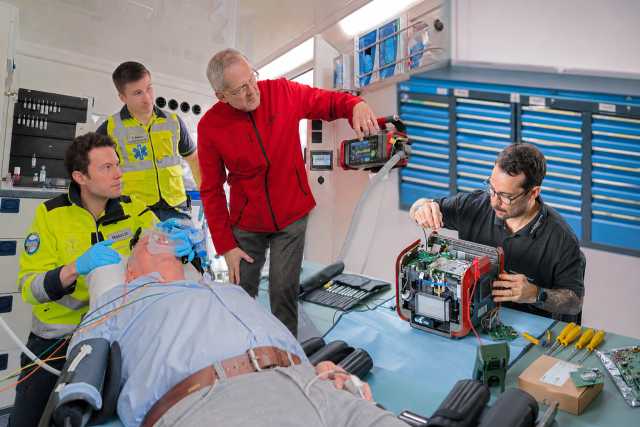
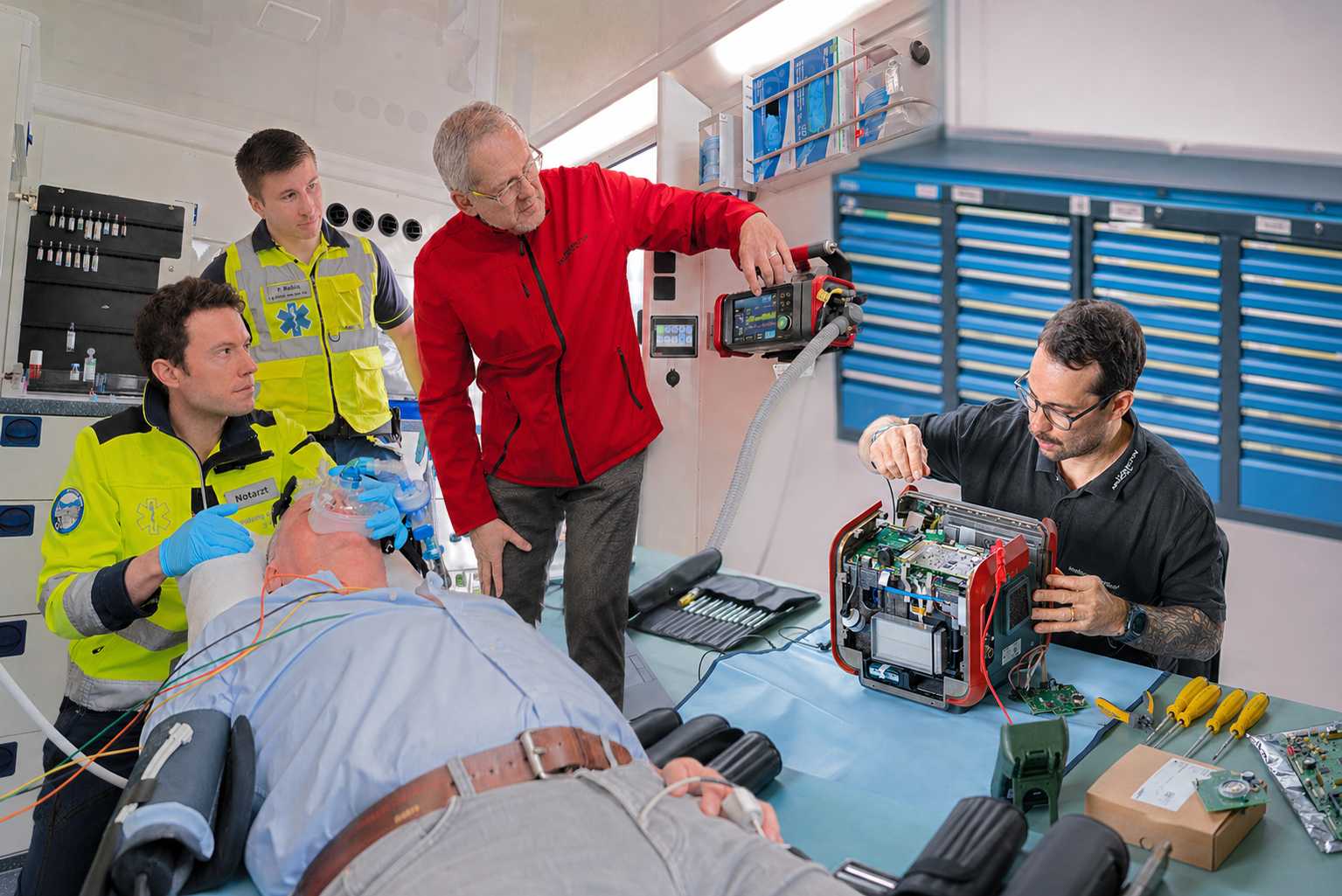
EMS service team assembling a ventilator
Setting EMS teams up for success. Prehospital ventilator service, training, and support
EMS service team assembling a ventilator
Setting EMS teams up for success. Prehospital ventilator service, training, and support

Reasons to believe: Transforming prehospital team performance

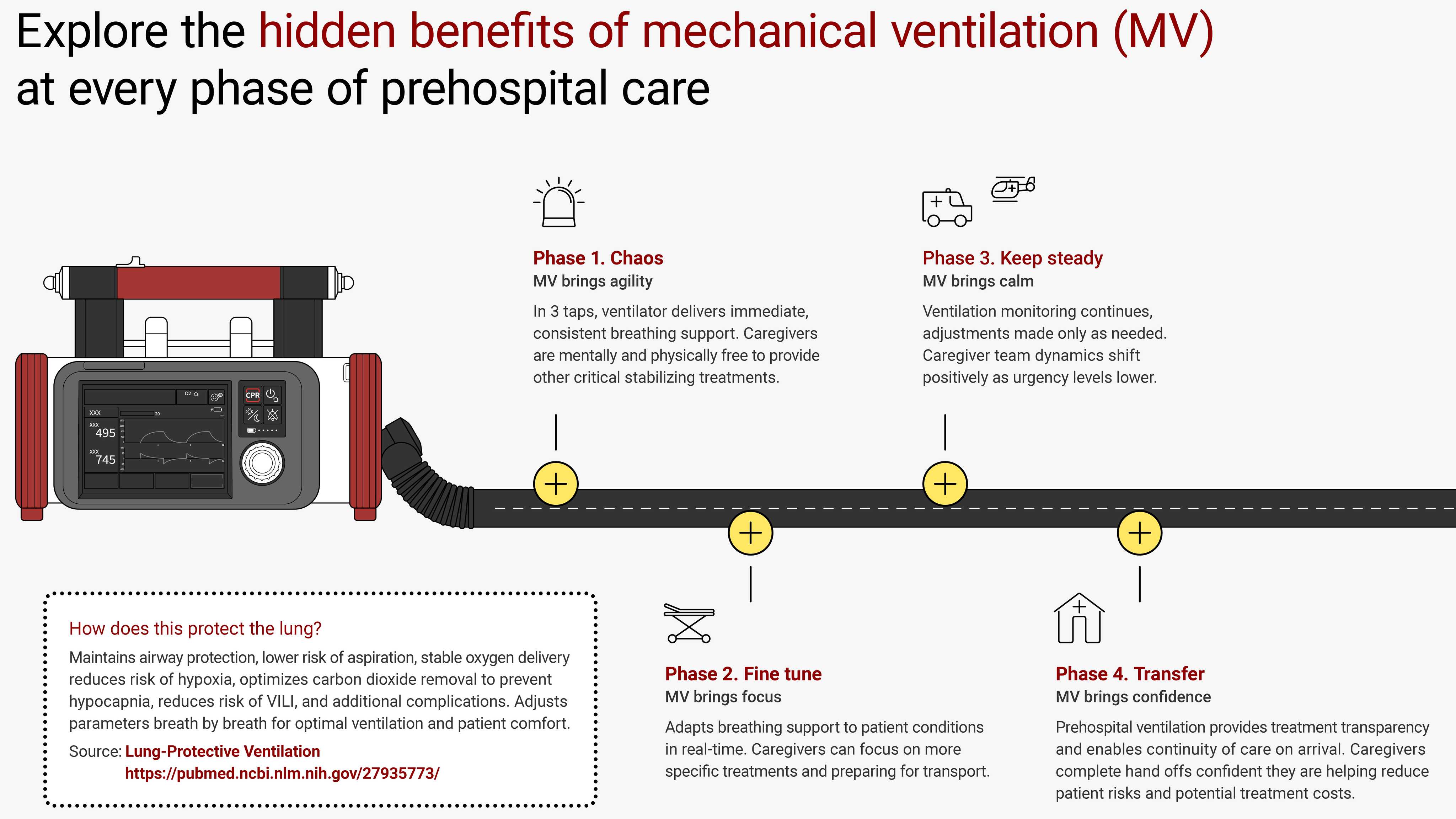
Along with improving technical training, Dr. Rugna suggests that prehospital providers incorporate stronger messaging around the impact of mechanical ventilation in the overall emergency care environment. He has seen dramatic changes in team dynamics and had success developing his practitioners by highlighting these “hidden” benefits at every stage of prehospital care.

“Starting mechanical airway support as quickly as possible calms the chaos of the emergency scene,” he explains, describing how the ventilator offers his team peace of mind while also freeing up their hands to focus on other interventions. As care continues during transport, the team dynamics shift, and treatment moves from constant activity to providing adjustments as needed. By the time the patient arrives at the hospital, treatment data is readily available, enabling a confident handoff and continuity of care.

Alleviating cognitive burdens for EMS providers (Rehatschek G, Muench M, Schenk I, et al. Mechanical LUCAS resuscitation is effective, reduces physical workload and improves mental performance of helicopter teams. Minerva Anestesiol. 2016;82(4):429-437. 5​) may also have positive impacts on prehospital patient care. Dr. Rugna says mechanical ventilation empowers his team with the information needed to make faster, more informed treatment decisions. “Mechanical ventilation changed our work. And our teamwork," he says, adding "we are more confident and assertive in our treatment plans because we have a mechanical ventilator."  

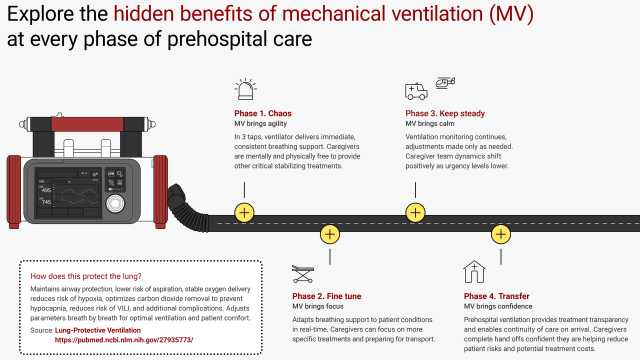
Downloadable PDF describing EMS team performance benefits of mechanical ventilation
Source: Lung-Protective Ventilation (6)
Downloadable PDF describing EMS team performance benefits of mechanical ventilation
Source: Lung-Protective Ventilation (6)

This new-found confidence brought on by mechanical ventilation extends across every stage of prehospital care.

The graphic above (Marley RA, Simon K. Lung-Protective Ventilation. Annu Rev Nurs Res. 2017;35(1):37-53. doi:10.1891/0739-6686.35.376​) illustrates where, when, and why Dr. Rugna and a growing number of prehospital clinicians believe mechanical ventilation can best help EMS teams. His words reflect the transformative shift that is possible in emergency response dynamics with the widespread integration of mechanical ventilation.

Innovation insights: What's next in prehospital ventilation technology?

As prehospital technology advances, devices are becoming increasingly intelligent, interconnected, and capable of real-time clinical decision making.

Dr. Rugna envisions a future where a single device could deliver mechanical ventilation that is synchronized with chest compressions, to be used specifically in cardiac arrest emergencies. These innovations are already on the horizon, powered by developments in AI, waveform analytics, engineering, and cultural shifts toward greater connectivity.
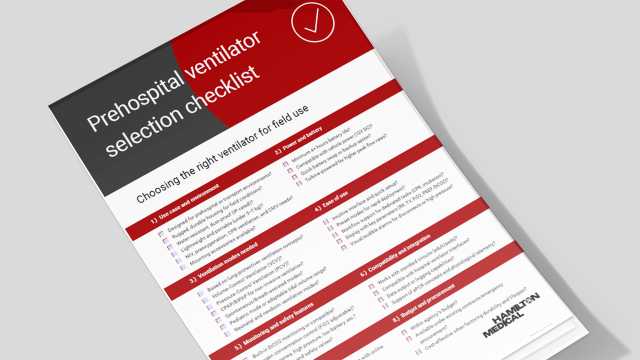
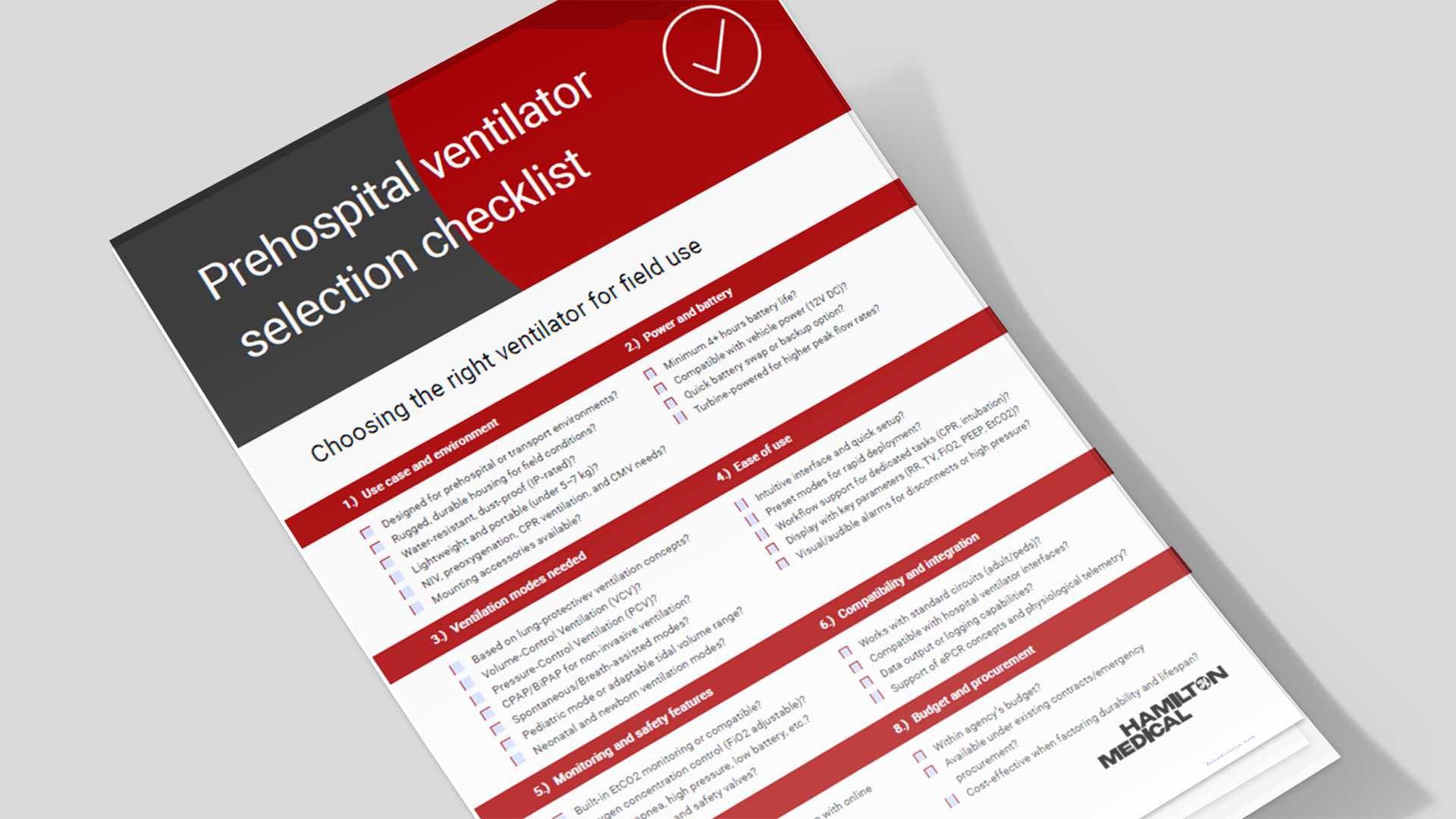
Ventilator selection checklist document for prehospital and EMS teams
Which one is right for us? Your prehospital ventilator selection checklist
Ventilator selection checklist document for prehospital and EMS teams
Which one is right for us? Your prehospital ventilator selection checklist

Several other emerging technologies could also shape the next generation of prehospital ventilation and emergency care:  
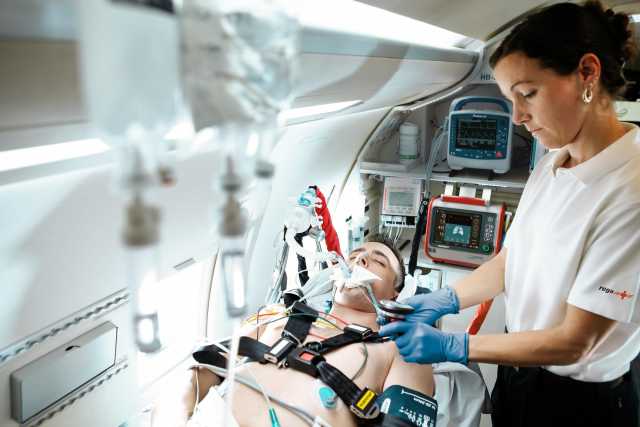
  • Real-time physiological telemetry: Automated, real-time data transmission would allow EMS ventilation devices to send critical clinical parameters directly to receiving hospitals. This could facilitate earlier intervention planning and more seamless care transitions, reducing the time between field stabilization and in-hospital treatment of patients. 
  • Synergistic diagnostic modalities: Interconnected diagnostic tools during emergency ventilation — such as prehospital ultrasound integrated with centralized alert systems — could enable earlier detection of secondary conditions (e.g., internal bleeding, cardiac abnormalities). These tools may even support triage decisions, directing patients to specialized centers based on AI-assisted assessments.                           
  • Autonomous ventilation for aging demographics: With more geriatric patients presenting complex ventilatory needs, systems like Adaptive Support Ventilation® (ASV) (Anoop Titus; Devang K. Sanghavi. Adaptive Support Ventilation. StatPearls Publishing; 2024 Jan. Bag-Valve-Mask Ventilation. 7​) could provide critical scalability. By minimizing the number of manual adjustments and continuously adapting to patient-specific changes, ASV can help EMS providers deliver safe, effective care without putting additional strain on limited personnel.   

Lung protection at every breath with Adaptive Support Ventilation®

HAMILTON-T1_INV_Adult_Nurse_Transport_REGA_Zürich_CH_01

Closing summary

Modernizing training. Enhancing teamwork. Building confidence. This is how practitioners like Dr. Rugna envision the future of prehospital ventilation. He encourages prehospital leaders to focus their education on the hidden benefits of mechanical ventilation, confident that improvements in patient care will follow automatically.

By incorporating mechanical ventilation into their work, EMS teams can provide more comprehensive clinical treatment, enhance stabilization efforts, and strengthen the connection between prehospital and in-hospital care.

As transport ventilators continue to evolve in terms of both capability and portability, and with many intelligent, easy-to-use systems already available, the opportunity is clear: Equip EMS teams with the tools and support they need, and they will be empowered to deliver the right therapy at the right time, from the very first moment of care.
Hungry for more? Don’t miss out on any new content or insights on prehospital ventilation

From mouth-to-mouth to bag-valve-mask ventilation: evolution and characteristics of actual devices--a review of the literature.

Khoury A, Hugonnot S, Cossus J, et al. From mouth-to-mouth to bag-valve-mask ventilation: evolution and characteristics of actual devices--a review of the literature. Biomed Res Int. 2014;2014:762053. doi:10.1155/2014/762053

Manual ventilation is a vital procedure, which remains difficult to achieve for patients who require ventilatory support. It has to be performed by experienced healthcare providers that are regularly trained for the use of bag-valve-mask (BVM) in emergency situations. We will give in this paper, a historical view on manual ventilation's evolution throughout the last decades and describe the technical characteristics, advantages, and hazards of the main devices currently found in the market. Artificial ventilation has developed progressively and research is still going on to improve the actual devices used. Throughout the past years, a brand-new generation of ventilators was developed, but little was done for manual ventilation. Many adverse outcomes due to faulty valve or misassembly were reported in the literature, as well as some difficulties to ensure efficient insufflation according to usual respiratory parameters. These serious incidents underline the importance of BVM system routine check and especially the unidirectional valve reassembly after sterilization, by only experienced and trained personnel. Single use built-in devices may prevent disassembly problems and are safer than the reusable ones. Through new devices and technical improvements, the safety of BVM might be increased.

Bag-Valve-Mask Ventilation and Survival From Out-of-Hospital Cardiac Arrest: A Multicenter Study.

Idris AH, Aramendi Ecenarro E, Leroux B, et al. Bag-Valve-Mask Ventilation and Survival From Out-of-Hospital Cardiac Arrest: A Multicenter Study. Circulation. 2023;148(23):1847-1856. doi:10.1161/CIRCULATIONAHA.123.065561

BACKGROUND Few studies have measured ventilation during early cardiopulmonary resuscitation (CPR) before advanced airway placement. Resuscitation guidelines recommend pauses after every 30 chest compressions to deliver ventilations. The effectiveness of bag-valve-mask ventilation delivered during the pause in chest compressions is unknown. We sought to determine: (1) the incidence of lung inflation with bag-valve-mask ventilation during 30:2 CPR; and (2) the association of ventilation with outcomes after out-of-hospital cardiac arrest. METHODS We studied patients with out-of-hospital cardiac arrest from 6 sites of the Resuscitation Outcomes Consortium CCC study (Trial of Continuous Compressions versus Standard CPR in Patients with Out-of-Hospital Cardiac Arrest). We analyzed patients assigned to the 30:2 CPR arm with ≥2 minutes of thoracic bioimpedance signal recorded with a cardiac defibrillator/monitor. Detectable ventilation waveforms were defined as having a bioimpedance amplitude ≥0.5 Ω (corresponding to ≥250 mL VT) and a duration ≥1 s. We defined a chest compression pause as a 3- to 15-s break in chest compressions. We compared the incidence of ventilation and outcomes in 2 groups: patients with ventilation waveforms in <50% of pauses (group 1) versus those with waveforms in ≥50% of pauses (group 2). RESULTS Among 1976 patients, the mean age was 65 years; 66% were male. From the start of chest compressions until advanced airway placement, mean±SD duration of 30:2 CPR was 9.8±4.9 minutes. During this period, we identified 26 861 pauses in chest compressions; 60% of patients had ventilation waveforms in <50% of pauses (group 1, n=1177), and 40% had waveforms in ≥50% of pauses (group 2, n=799). Group 1 had a median of 12 pauses and 2 ventilations per patient versus group 2, which had 12 pauses and 12 ventilations per patient. Group 2 had higher rates of prehospital return of spontaneous circulation (40.7% versus 25.2%; P<0.0001), survival to hospital discharge (13.5% versus 4.1%; P<0.0001), and survival with favorable neurological outcome (10.6% versus 2.4%; P<0.0001). These associations persisted after adjustment for confounders. CONCLUSIONS In this study, lung inflation occurred infrequently with bag-valve-mask ventilation during 30:2 CPR. Lung inflation in ≥50% of pauses was associated with improved return of spontaneous circulation, survival, and survival with favorable neurological outcome.

Prehospital Pediatric Respiratory Distress and Airway Management Interventions: An NAEMSP Position Statement and Resource Document.

Harris M, Lyng JW, Mandt M, et al. Prehospital Pediatric Respiratory Distress and Airway Management Interventions: An NAEMSP Position Statement and Resource Document. Prehosp Emerg Care. 2022;26(sup1):118-128. doi:10.1080/10903127.2021.1994675

Devices and techniques such as bag-valve-mask ventilation, endotracheal intubation, supraglottic airway devices, and noninvasive ventilation offer important tools for airway management in critically ill EMS patients. Over the past decade the tools, technology, and strategies used to assess and manage pediatric respiratory and airway emergencies have evolved, and evidence regarding their use continues to grow.NAEMSP recommends:Methods and tools used to properly size pediatric equipment for ages ranging from newborns to adolescents should be available to all EMS clinicians. All pediatric equipment should be routinely checked and clearly identifiable in EMS equipment supply bags and vehicles.EMS agencies should train and equip their clinicians with age-appropriate pulse oximetry and capnography equipment to aid in the assessment and management of pediatric respiratory distress and airway emergencies.EMS agencies should emphasize noninvasive positive pressure ventilation and effective bag-valve-mask ventilation strategies in children.Supraglottic airways can be used as primary or secondary airway management interventions for pediatric respiratory failure and cardiac arrest in the EMS setting.Pediatric endotracheal intubation has unclear benefit in the EMS setting. Advanced approaches to pediatric ETI including drug-assisted airway management, apneic oxygenation, and use of direct and video laryngoscopy require further research to more clearly define their risks and benefits prior to widespread implementation.If considering the use of pediatric endotracheal intubation, the EMS medical director must ensure the program provides pediatric-specific initial training and ongoing competency and quality management activities to ensure that EMS clinicians attain and maintain mastery of the intervention.Paramedic use of direct laryngoscopy paired with Magill forceps to facilitate foreign body removal in the pediatric patient should be maintained even when pediatric endotracheal intubation is not approved as a local clinical intervention.

EMS portable ventilator management.

Evan A. Kuhl; Thomas B. Perera. EMS portable ventilator management. StatPearls Publishing; 2024 Jan. Airway Management.

Mechanical LUCAS resuscitation is effective, reduces physical workload and improves mental performance of helicopter teams.

Rehatschek G, Muench M, Schenk I, et al. Mechanical LUCAS resuscitation is effective, reduces physical workload and improves mental performance of helicopter teams. Minerva Anestesiol. 2016;82(4):429-437.

BACKGROUND Physical and mental workload during cardiopulmonary resuscitation (CPR) is challenging under extreme working conditions. We hypothesized that the mechanical chest-compression device Lund University Cardiac Assist System (LUCAS) increases the effectiveness of CPR, decreases the physical workload and improves the mental performance of the emergency medical service (EMS) staff during simulated emergency helicopter flights. METHODS During simulated helicopter flights, 12 EMS teams performed manual or LUCAS-CPR on a manikin at random order. Compression depth, rate, overall time of compressions, application of drugs and defibrillation were recorded to test the quality of CPR. Heart rate monitoring of EMS members was used as a surrogate of physical workload. Cognitive performance was evaluated shortly after each flight by a questionnaire and a memory test about medical and extraneous items presented to the teams during the flights. RESULTS Overall times of chest-compressions were similar, compression rate (101.7±9.6/min) was lower and compressions were deeper (3.9±0.2cm) with LUCAS as compared to manual CPR (113.3±19.3/min and 3.7±0.4cm) (P<0.01, respectively). Heart rates of the EMS staff were increased after manual as compared to mechanical CPR (100.1±21.0 vs. 80.4±11.3, P<0.01). Results of the questionnaire (93.6±6.9% vs. 87.0±7.3% correct answers, P<0.01) and memory test (22.4±15.4% vs. 11.3±7.5%, P<0.02) were significantly better after LUCAS resuscitation. Dosing of drugs, application intervals and rate of correct handling of drugs and defibrillation were not different between LUCAS or manual CPR. CONCLUSIONS During simulated helicopter flights LUCAS-CPR improved the efficacy of chest-compressions, was physically less demanding and provided enhanced cognitive performance of the EMS team as compared to manual CPR.

Lung-Protective Ventilation.

Marley RA, Simon K. Lung-Protective Ventilation. Annu Rev Nurs Res. 2017;35(1):37-53. doi:10.1891/0739-6686.35.37

Historically, mechanical ventilation of the lungs utilizing relatively large tidal volumes was common practice in the operating room and intensive care unit (ICU). The rationale behind this treatment strategy was to yield better patient outcomes, that is, fewer pulmonary complications, and a reduction in morbidity and mortality. As evidence-based practice has evolved, potential harmful effects of traditional, nonphysiological mechanical ventilation (ventilation with larger tidal volumes and the tolerance of high airway pressures) even in shortterm treatment have been shown to correlate with systemic inflammation and the development of ventilator-associated lung injury. Lung-protective ventilation principles using more physiological tidal volumes, avoiding high inspiratory plateau pressures, along with appropriate levels of positive end-expiratory pressure have been shown to decrease pulmonary complications and improve outcomes in patients with acute respiratory distress syndrome requiring ongoing ventilatory support in the ICU. In addition, current research is beginning to validate the benefit of providing more physiologic ventilator support in the operating room, particularly for high-risk patients undergoing major abdominal surgery, in minimizing acute lung injury. A review of lung-protective ventilation measures including benefits and potential side effects is presented. Additional treatment modalities and therapeutic considerations are offered for inclusion in optimal patient management.

Adaptive Support Ventilation.

Anoop Titus; Devang K. Sanghavi. Adaptive Support Ventilation. StatPearls Publishing; 2024 Jan. Bag-Valve-Mask Ventilation.