




Session expired

Due to inactivity your session has expired. Please login again.

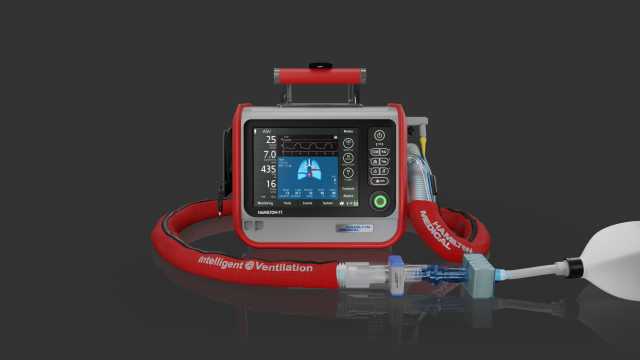
HAMILTON-T1.

Ventilation fiable lors du transport de patients en soins intensifs

HAMILTON-T1

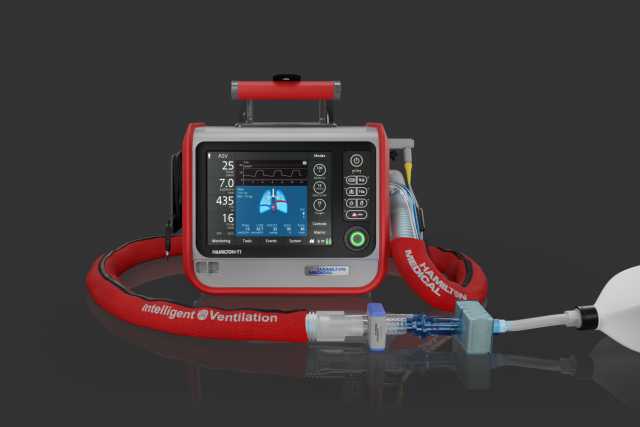
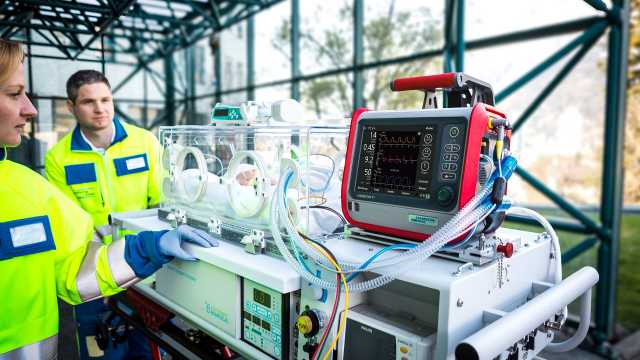
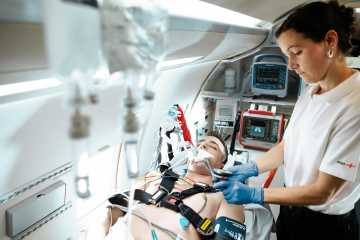
Notre spécialiste du transport ! Du nouveau-né à l'adulte

  • Ventilateur USI entièrement équipé pour le transport
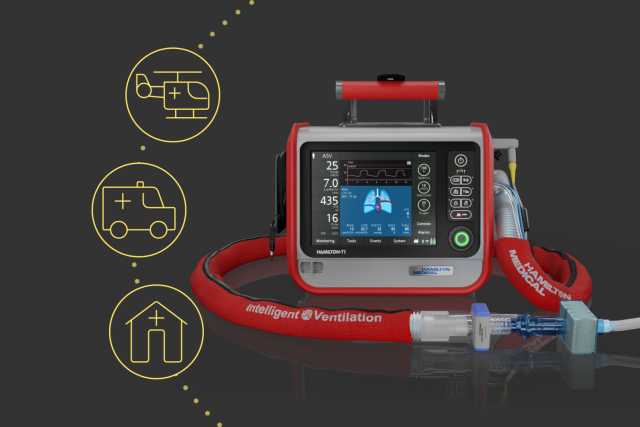
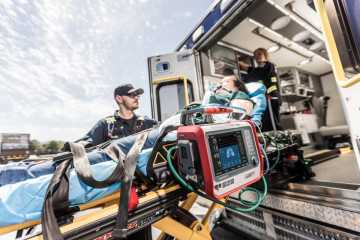
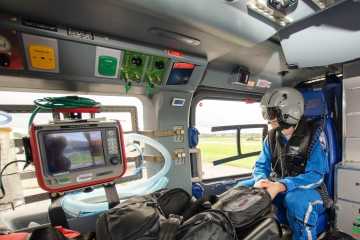
  • Homologué pour les transports sur terre, dans les airs et sur l'eau
  • À l'intérieur et à l'extérieur de l'hôpital
HAMILTON-T1
HAMILTON-T1

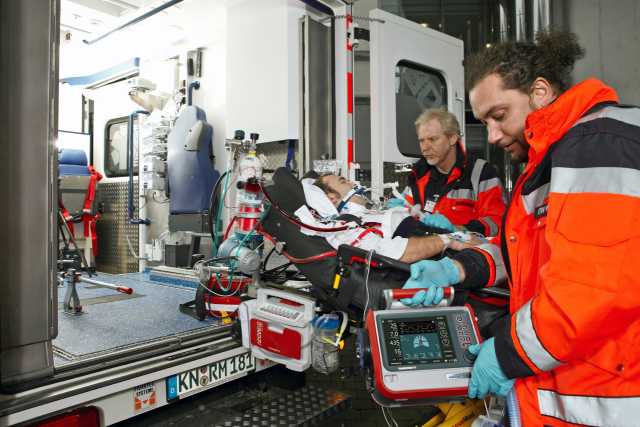
Notre spécialiste du transport ! Du nouveau-né à l'adulte

  • Ventilateur USI entièrement équipé pour le transport 
  • Homologué pour les transports de patients sur terre, dans les airs et sur l'eau 
  • À l'intérieur et à l'extérieur de l'hôpital
HAMILTON-T1

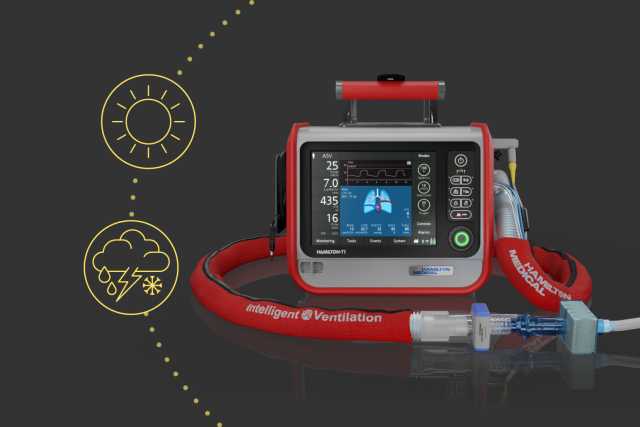
La loi du plus fort ! Dans les situations les plus critiques

  • Températures comprises entre -15 et +50 °C 
  • Indice de protection IP54 
  • Altitude maximale de 7 620 mètres 
  • Solide boîtier renforcé avec protection contre les impacts et à l'épreuve des vibrations 
  • Écran antireflet et résistant aux chocs
HAMILTON-T1

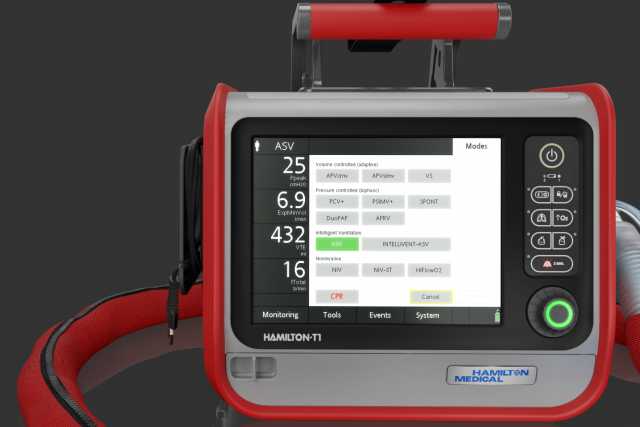
Thérapie de ventilation en continu. Utilisez les mêmes mode et réglages qu'au chevet du patient

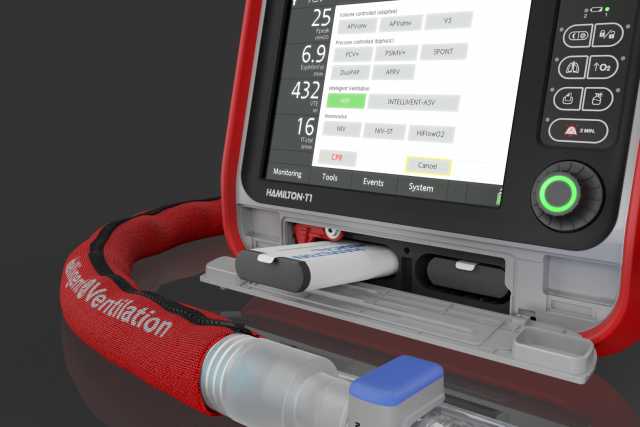
  • Modes de ventilation à volume cible et à pression contrôlée 
  • Ventilation adaptative avec l'ASV® et l'INTELLiVENT®-ASV 
  • Ventilation non invasive 
  •  Thérapie à haut débit par canule nasale
HAMILTON-T1

Totalement indépendant. Pas besoin d'air comprimé et fonctionnement sur batterie

  • Turbine haute performance 
  • Une batterie intégrée et une batterie remplaçable à chaud 
  • Connecteur supplémentaire pour oxygène à basse pression
HAMILTON-T1

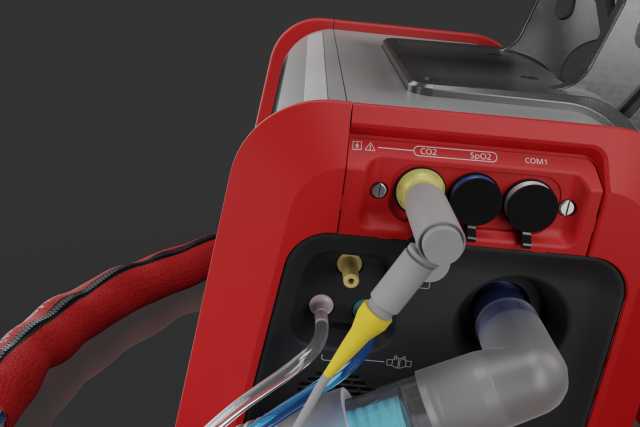
La communication : le facteur clé. Pour une meilleure connexion

Options de la carte de communication pour :

  • Capteurs SpO2 et/ou CO2 
  • Appel infirmière 
  • PDMS 
  • HAMILTON-H900 
  • RS232
HAMILTON-T1

Domaines d'utilisation

Bon à savoir

""

Prêt pour votre mission. Des caractéristiques adaptées à vos besoins

  • Dimensions (L × P × H) :
    320 x 220 x 270 mm (unité de ventilation)
    630 x 630 x 1 380 mm (sans poignée)

    630 x 630 x 1 433 mm (avec poignée)

  • Poids :

    6,5 kg

  • 4 h avec une batterie/8 h avec deux batteries

  • Batterie remplaçable à chaud, en option

  • Tous les ventilateurs de transport Hamilton Medical sont équipés du module Hamilton Connect.

  • Un protocole d'interface spécialement développé permet la connexion de dispositifs tiers pour le transfert de données du ventilateur par Bluetooth.

  • Pression contrôlée, volume ciblé

  • Ventilation intelligente : ASV®, INTELLiVENT®‑ASV® (Non disponible dans tous les paysA​), O2 assist (Non disponible dans tous les paysA​)

  • Modes non invasifs(en optionB)

  • Thérapie d'oxygène à haut débit (en optionB)

  • Visualisation de la mécanique pulmonaire (Poumon dynamique)

  • Visualisation de la dépendance du patient vis-à-vis du ventilateur

  • Capnographie volumétrique (en optionB)

  • Monitorage de la SpO2 (en optionB)

Vous voulez en savoir plus ?
Découvrez le modèle 3D

Examinez le HAMILTON-T1 sous tous les angles et cliquez sur les zones réactives pour en savoir plus.

Diagramme en secteurs indiquant que 71 % des organisations de secours aérien (en Allemagne, en Autriche, en Suisse, en Italie et au Luxembourg) ont choisi le HAMILTON T1 pour leur hélicoptère de soins intensifs

Le choix le plus populaire. Pour 71 % des hélicoptères de soins intensifs

D'après l'étude en ligne HOVER (Transfert de patients ventilés dans le cadre des Services médicaux d'urgence HEMS [Helicopter Emergency Medical Service] vers les urgencesC​) menée auprès d'organisations de secours aérien en Allemagne, en Autriche, en Suisse, en Italie et au Luxembourg, 71 % de ces organisations ont choisi le HAMILTON-T1 pour leur hélicoptère de soins intensifs (Hilbert-Carius, P., Struck, M.F., Hofer, V. et al. Nutzung des Hubschrauber-Respirators vom Landeplatz zum Zielort im Krankenhaus. Notfall Rettungsmed 23, 106–112 (2020). 1​).


Simplifiez votre processus avec des fonctionnalités intelligentes

Thérapie O2. Oxygénation sur place

La thérapie d'O2 est un outil précieux en contexte préhospitalier. Elle améliore l'oxygénation pour les patients qui en ont besoin, sans qu'une intubation soit nécessaire.

Cette option vous permet de mettre en œuvre efficacement une pré-oxygénation précise sur le terrain.

Nébuliseur pneumatique. Pour des traitements supplémentaires

L'administration d'une fine brume de particules de médicaments par aérosol permet d'inverser le bronchospasme, d'améliorer l'efficacité de la ventilation et de réduire l'hypercapnie (Dhand R. New frontiers in aerosol delivery during mechanical ventilation. Respir Care. 2004;49(6):666-677. 100​​). 

Ventilation non invasive. Votre première ligne de défense

Choisissez entre les modes VNI, VNI-Fmin (Uniquement disponible pour HAMILTON-T1a) et PPC (Uniquement disponible pour HAMILTON-EM7b) pour vous assister dans le cadre de divers scénarios et améliorer le confort du patient.

Par rapport aux ventilateurs utilisant de l'air comprimé, nos ventilateurs à turbine sont capables de fournir des débits de pointe plus élevés. Cela garantit des performances sans compromis même en cas de fuites importantes.

Ventilation RCP. Concentrez-vous sur les compressions, pas sur le ventilateur

Concentration, vitesse et précision sont essentielles dans les moments critiques, au cours desquels les distractions doivent être limitées. La ventilation RCP adapte les réglages ventilatoires aux situations au cours desquelles la réanimation est réalisée, selon les recommandations internationales (Del Rios M, Bartos JA, Panchal AR, Atkins DL, Cabanas JG, Cao D, Dainty KN, Dezfulian C, Donoghue AJ, Drennan IR, Elmer J, Hirsch KG, Idris AH, Joyner BL, Kamath-Rayne BD, Kleinman ME, Kurz MC, Lasa JJ, Lee HC, McBride ME, Raymond TT, Rittenberger, JC, Schexnayder SM, Szyld E, Topjian A, Wigginton JG, Previdi JK. Part 1: executive summary: 2025 American Heart Association Guidelines for Cardiopulmonary Resuscitation and Emergency Cardiovascular Care. Circulation. 2025;152(suppl):S284–S312. doi: 10.1161/CIR.0000000000001372 101​, Greif R, Lauridsen KG, Djärv T, et al. European Resuscitation Council Guidelines 2025 Executive Summary. Resuscitation. 2025;215 Suppl 1:110770. doi:10.1016/j.resuscitation.2025.110770102​).

Elle vous aide avec un accès rapide aux réglages préconfigurables, un réglage adapté des alarmes et du déclenchement et l'affichage d'un chronomètre RCP.

Capnographie basée sur la durée. Accompagne la prise de décisions éclairées

La capnographie permet un monitorage continu de l'etCO2 pour évaluer l'efficacité de la ventilation, l'intégrité des voies respiratoires et l'état du patient en temps réel.

Elle vous donne un retour immédiat pendant l'assistance respiratoire, la gestion de l'arrêt cardiaque et le transport, pour des décisions plus sûres et plus éclairées.

ASV - Adaptive Support Ventilation®. Une aide pour vous et vos patients

L'ASV est un mode de ventilation adaptative qui ajuste en permanence les réglages ventilatoires en fonction de la mécanique pulmonaire et de l'effort du patient.

Cela permet de simplifier la ventilation pour les équipes de transport préhospitalier en fournissant un mode pour les patients intubés actifs et passifs, et trois paramètres seulement pour contrôler l'élimination du CO2 et l'oxygénation.

O2 assist. Titration d'oxygène plus intelligente en soins préhospitaliers

L'O2 assist (Non commercialisé dans certains paysc) est une technologie de gestion avancée de l'oxygène conçue pour optimiser l'administration d'oxygène, y compris pendant le transport.

En ajustant constamment l'administration d'oxygène, l'O2 assist maintient les niveaux de SpO2 du patient dans une plage cible définie. Cela permet de réduire les pertes d'oxygène (Atakul G, Ceylan G, Sandal O, et al. Closed-loop oxygen usage during invasive mechanical ventilation of pediatric patients (CLOUDIMPP): a randomized controlled cross-over study. Front Med (Lausanne). 2024;11:1426969. Published 2024 Sep 10. doi:10.3389/fmed.2024.1426969103, Trottier M, Bouchard PA, L'Her E, Lellouche F. Automated Oxygen Titration During CPAP and Noninvasive Ventilation in Healthy Subjects With Induced Hypoxemia. Respir Care. 2023;68(11):1553-1560. doi:10.4187/respcare.09866104​) et la nécessité de recourir à des interventions manuelles (Roca O, Caritg O, Santafé M, et al. Closed-loop oxygen control improves oxygen therapy in acute hypoxemic respiratory failure patients under high flow nasal oxygen: a randomized cross-over study (the HILOOP study). Crit Care. 2022;26(1):108. Published 2022 Apr 14. doi:10.1186/s13054-022-03970-w105​).

Poumon dynamique. La clarté en un coup d'œil

Le panneau Poumon dynamique traduit les données de monitorage en une représentation visuelle facile à interpréter.

Un seul graphique permet d'afficher la compliance, la résistance, la SpO2, la fréquence de pouls et l'activité spontanée du patient.

Option Lunettes de vision nocturne. Pour voir dans le noir

L'option de lunettes de vision nocturne (LVN) permet d'utiliser le ventilateur en toute sécurité dans le noir, sans altérer la visibilité du pilote ni interférer avec les dispositifs de vision nocturne.

Une pression sur un bouton permet de régler la luminosité de l'écran à un niveau approprié pour l'utilisation de lunettes de vision nocturne.

INTELLiVENT®-ASV®. Votre assistant sur la route

Notre mode de Ventilation intelligente INTELLiVENT-ASV (Non commercialisé dans certains paysc) va plus loin que l'ASV : il vous permet de passer du rôle de manipulateur de boutons à celui de superviseur.

Il réduit le nombre d'interventions manuelles sur le ventilateur (Arnal JM, Garnero A, Novotni D, et al. Closed loop ventilation mode in Intensive Care Unit: a randomized controlled clinical trial comparing the numbers of manual ventilator setting changes. Minerva Anestesiol. 2018;84(1):58-67. doi:10.23736/S0375-9393.17.11963-2106​) and supports lung-protective ventilation for your patients (Bialais E, Wittebole X, Vignaux L, et al. Closed-loop ventilation mode (IntelliVent®-ASV) in intensive care unit: a randomized trial. Minerva Anestesiol. 2016;82(6):657-668. 107​).

Oxymétrie de pouls. Pour les passionnés de la SpO2

L'option SpO2 offre une mesure de SpO2 intégrée non invasive avec les données affichées sur votre ventilateur.
Elle vous permet de détecter rapidement l'hypoxémie et d'évaluer l'efficacité de la thérapie d'oxygène pendant le transport.

Pour les patients ayant inhalé des fumées, la mesure de la SpCO avec la technologie Masimo Rainbow donne des résultats de carboxyhémoglobine de manière non invasive afin de réaliser un triage basé sur les connaissances les plus pointues.

Capnographie volumétrique. Améliorer les soins préhospitaliers

La capnographie volumétrique vous donne des informations constantes sur la ventilation et la perfusion en mesurant le CO2 pendant toute l'expiration, ce qui permet de détecter des variations en matière d'obstruction des voies respiratoires, d'efficacité ventilatoire ou de statut de perfusion en temps réel (Blanch L, Romero PV, Lucangelo U. Volumetric capnography in the mechanically ventilated patient. Minerva Anestesiol. 2006;72(6):577-585. 108​).

Cette technologie est particulièrement précieuse pendant le transport des patients, au cours duquel il est essentiel de disposer de données immédiates pratiques dans des conditions cliniques susceptibles de changer rapidement.

Boucles et tendances configurables. Garder le contrôle

En ventilation mécanique, les boucles et tendances vous procurent des informations en temps réel sur l'état de la respiration du patient, pour que vous puissiez identifier rapidement les problèmes de type obstruction des voies respiratoires ou asynchronie patient-ventilateur.

Cela permet de régler précisément la ventilation pendant le transport, d'obtenir de meilleurs résultats et d'offrir des soins plus sûrs dans des configurations préhospitalières dynamiques.

Modes nCPAP. Assistance spécialisée pour les tout-petits

Avec le mode nCPAP, vos petits patients reçoivent une assistance par pression positive continue. L'ajout de la nCPAP au ventilateur de transport vous offre plus d'outils variés pour gérer l'assistance respiratoire des nouveau-nés selon les bonnes pratiques actuelles.

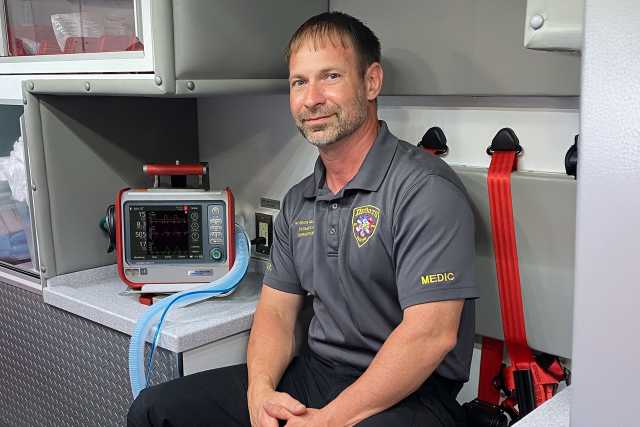
Gordon Miller

Témoignages de clients

La disponibilité des modes non invasifs sur le HAMILTON-T1 m'a permis d'éviter de nombreuses intubations, de réduire le risque pour les patients, et d'améliorer les résultats. En 8 ans d'utilisation du HAMILTON-T1, je n'ai dû intuber qu'un seul patient candidat pour une VNI lorsque j'ai commencé les soins.

Gordon Miller

Superviseur et bureau de la formation
DeSoto Parish SMU, Mansfield, Louisiane, États-Unis

Des consommables pratiques

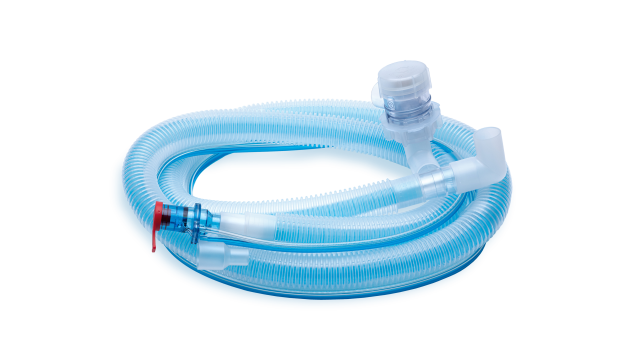
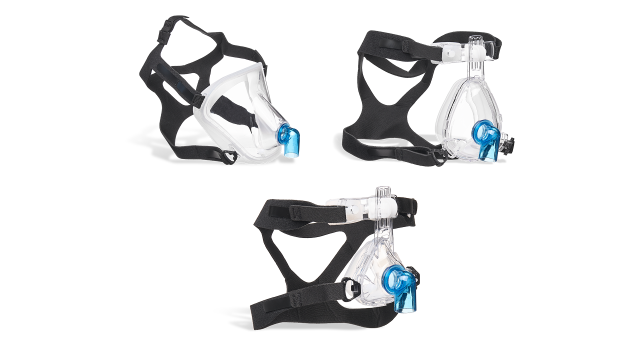
Des consommables essentiels pour utiliser votre ventilateur

Les consommables essentiels Hamilton Medical sont tous conçus pour des performances optimales avec nos ventilateurs. Pour garantir au maximum la satisfaction de l'utilisateur et la sécurité du patient, ils sont faciles d'utilisation et conformes aux normes de qualité et de sécurité d'emploi les plus élevées.

Démarrer votre formation ventilateur

""

Prenez le contrôle ! Parcours d'apprentissage et simulations

Le centre d'apprentissage HAMILTON‑T1 propose des parcours d'apprentissage faciles à suivre pour vous aider à vous familiariser rapidement avec votre ventilateur et ses technologies.

Mettez vos nouvelles compétences à l'épreuve dans un environnement sécurisé grâce au modèle de patient virtuel dans votre application VenTrainer !

Nos services 360°

""

Nous sommes prêts, et vous ? Votre partenaire pour les soins en cours de transport pré-hospitalier

L'équipe de soins pré-hospitaliers Hamilton Medical s'engage à fournir des services et une assistance complets en matière de ventilation mécanique pendant le transport dans un contexte préhospitalier.

EMS_Prehospital-team_Contact-us

Des questions ? Contactez-nous !

Notre équipe préhospitalière sera ravie de répondre à vos questions et de partager les conseils d'experts.

Notes en bas de page

  • A. Non commercialisé dans certains pays
  • B. En option sur le HAMILTON-T1
  • C. Transfert de patients ventilés dans le cadre des Services médicaux d'urgence HEMS [Helicopter Emergency Medical Service] vers le service des urgences
  • a. Uniquement disponible sur le HAMILTON-T1
  • b. Uniquement disponible sur le HAMILTON-EM7
  • c. Non commercialisé dans certains pays

Références

  1. 1. Hilbert-Carius, P., Struck, M.F., Hofer, V. et al. Nutzung des Hubschrauber-Respirators vom Landeplatz zum Zielort im Krankenhaus. Notfall Rettungsmed 23, 106–112 (2020).
  2. 100. Dhand R. New frontiers in aerosol delivery during mechanical ventilation. Respir Care. 2004;49(6):666-677.
  3. 101. Del Rios M, Bartos JA, Panchal AR, Atkins DL, Cabanas JG, Cao D, Dainty KN, Dezfulian C, Donoghue AJ, Drennan IR, Elmer J, Hirsch KG, Idris AH, Joyner BL, Kamath-Rayne BD, Kleinman ME, Kurz MC, Lasa JJ, Lee HC, McBride ME, Raymond TT, Rittenberger, JC, Schexnayder SM, Szyld E, Topjian A, Wigginton JG, Previdi JK. Part 1: executive summary: 2025 American Heart Association Guidelines for Cardiopulmonary Resuscitation and Emergency Cardiovascular Care. Circulation. 2025;152(suppl):S284–S312. doi: 10.1161/CIR.0000000000001372
  4. 102. Greif R, Lauridsen KG, Djärv T, et al. European Resuscitation Council Guidelines 2025 Executive Summary. Resuscitation. 2025;215 Suppl 1:110770. doi:10.1016/j.resuscitation.2025.110770
  5. 103. Atakul G, Ceylan G, Sandal O, et al. Closed-loop oxygen usage during invasive mechanical ventilation of pediatric patients (CLOUDIMPP): a randomized controlled cross-over study. Front Med (Lausanne). 2024;11:1426969. Published 2024 Sep 10. doi:10.3389/fmed.2024.1426969
  6. 104. Trottier M, Bouchard PA, L'Her E, Lellouche F. Automated Oxygen Titration During CPAP and Noninvasive Ventilation in Healthy Subjects With Induced Hypoxemia. Respir Care. 2023;68(11):1553-1560. doi:10.4187/respcare.09866
  7. 105. Roca O, Caritg O, Santafé M, et al. Closed-loop oxygen control improves oxygen therapy in acute hypoxemic respiratory failure patients under high flow nasal oxygen: a randomized cross-over study (the HILOOP study). Crit Care. 2022;26(1):108. Published 2022 Apr 14. doi:10.1186/s13054-022-03970-w
  8. 106. Arnal JM, Garnero A, Novotni D, et al. Closed loop ventilation mode in Intensive Care Unit: a randomized controlled clinical trial comparing the numbers of manual ventilator setting changes. Minerva Anestesiol. 2018;84(1):58-67. doi:10.23736/S0375-9393.17.11963-2
  9. 107. Bialais E, Wittebole X, Vignaux L, et al. Closed-loop ventilation mode (IntelliVent®-ASV) in intensive care unit: a randomized trial. Minerva Anestesiol. 2016;82(6):657-668.
  10. 108. Blanch L, Romero PV, Lucangelo U. Volumetric capnography in the mechanically ventilated patient. Minerva Anestesiol. 2006;72(6):577-585.

Nutzung des Hubschrauber-Respirators vom Landeplatz zum Zielort im Krankenhaus Sekundäranalyse der HOVER-Umfrage zu beatmeten Notfallpatienten in der Luftrettung

Hilbert-Carius, P., Struck, M.F., Hofer, V. et al. Nutzung des Hubschrauber-Respirators vom Landeplatz zum Zielort im Krankenhaus. Notfall Rettungsmed 23, 106–112 (2020).

New frontiers in aerosol delivery during mechanical ventilation.

Dhand R. New frontiers in aerosol delivery during mechanical ventilation. Respir Care. 2004;49(6):666-677.

The scientific basis for inhalation therapy in mechanically-ventilated patients is now firmly established. A variety of new devices that deliver drugs to the lung with high efficiency could be employed for drug delivery during mechanical ventilation. Encapsulation of drugs within liposomes could increase the amount of drug delivered, prolong the effect of a dose, and minimize adverse effects. With improved inhalation devices and surfactant formulations, inhaled surfactant could be employed for several indications in mechanically-ventilated patients. Research is unraveling the causes of some disorders that have been poorly understood, and our improved understanding of the causal mechanisms of various respiratory disorders will provide new applications for inhaled therapies.

2025 American Heart Association Guidelines for Cardiopulmonary Resuscitation and Emergency Cardiovascular Care

Del Rios M, Bartos JA, Panchal AR, Atkins DL, Cabanas JG, Cao D, Dainty KN, Dezfulian C, Donoghue AJ, Drennan IR, Elmer J, Hirsch KG, Idris AH, Joyner BL, Kamath-Rayne BD, Kleinman ME, Kurz MC, Lasa JJ, Lee HC, McBride ME, Raymond TT, Rittenberger, JC, Schexnayder SM, Szyld E, Topjian A, Wigginton JG, Previdi JK. Part 1: executive summary: 2025 American Heart Association Guidelines for Cardiopulmonary Resuscitation and Emergency Cardiovascular Care. Circulation. 2025;152(suppl):S284–S312. doi: 10.1161/CIR.0000000000001372

European Resuscitation Council Guidelines 2025 Executive Summary.

Greif R, Lauridsen KG, Djärv T, et al. European Resuscitation Council Guidelines 2025 Executive Summary. Resuscitation. 2025;215 Suppl 1:110770. doi:10.1016/j.resuscitation.2025.110770

The 2025 European Resuscitation Council (ERC) Guidelines present the most up-to-date evidence-based guidelines for the practice of resuscitation across Europe. The ERC Guidelines 2025 are based on evidence produced by the International Liaison Committee on Resuscitation (ILCOR) in the form of systematic reviews, scoping reviews, and evidence updates, published as the ILCOR Consensus on Science with Treatment Recommendations. The certainty of evidence of these ILCOR treatment recommendations was used to issue the ERC Guidelines 2025 Recommendations. In some cases, the ERC made good practice statements when evidence was absent for certain topics. If no ILCOR review was available, the ERC writing groups conducted their own reviews to provide recommendations. The ERC Guidelines 2025 cover the epidemiology of cardiac arrest, the role that systems play in saving lives, adult basic life support, adult advanced life support, resuscitation in special circumstances, post resuscitation care, newborn resuscitation and support of transition of infants at birth, paediatric basic and advanced life support, resuscitation ethics, education for resuscitation, and first aid. These guidelines are a framework of recommendations for the approach to out-of-hospital and in-hospital resuscitation; the implementation is achieved locally taking local legislation and health care regulations into consideration.

Closed-loop oxygen usage during invasive mechanical ventilation of pediatric patients (CLOUDIMPP): a randomized controlled cross-over study.

Atakul G, Ceylan G, Sandal O, et al. Closed-loop oxygen usage during invasive mechanical ventilation of pediatric patients (CLOUDIMPP): a randomized controlled cross-over study. Front Med (Lausanne). 2024;11:1426969. Published 2024 Sep 10. doi:10.3389/fmed.2024.1426969

BACKGROUND The aim of this study is the evaluation of a closed-loop oxygen control system in pediatric patients undergoing invasive mechanical ventilation (IMV). METHODS Cross-over, multicenter, randomized, single-blind clinical trial. Patients between the ages of 1 month and 18 years who were undergoing IMV therapy for acute hypoxemic respiratory failure (AHRF) were assigned at random to either begin with a 2-hour period of closed-loop oxygen control or manual oxygen titrations. By using closed-loop oxygen control, the patients' SpO2 levels were maintained within a predetermined target range by the automated adjustment of the FiO2. During the manual oxygen titration phase of the trial, healthcare professionals at the bedside made manual changes to the FiO2, while maintaining the same target range for SpO2. Following either period, the patient transitioned to the alternative therapy. The outcomes were the percentage of time spent in predefined SpO2 ranges ±2% (primary), FiO2, total oxygen use, and the number of manual adjustments. FINDINGS The median age of included 33 patients was 17 (13-55.5) months. In contrast to manual oxygen titrations, patients spent a greater proportion of time within a predefined optimal SpO2 range when the closed-loop oxygen controller was enabled (95.7% [IQR 92.1-100%] vs. 65.6% [IQR 41.6-82.5%]), mean difference 33.4% [95%-CI 24.5-42%]; P < 0.001). Median FiO2 was lower (32.1% [IQR 23.9-54.1%] vs. 40.6% [IQR 31.1-62.8%]; P < 0.001) similar to total oxygen use (19.8 L/h [IQR 4.6-64.8] vs. 39.4 L/h [IQR 16.8-79]; P < 0.001); however, median SpO2/FiO2 was higher (329.4 [IQR 180-411.1] vs. 246.7 [IQR 151.1-320.5]; P < 0.001) with closed-loop oxygen control. With closed-loop oxygen control, the median number of manual adjustments reduced (0.0 [IQR 0.0-0.0] vs. 1 [IQR 0.0-2.2]; P < 0.001). CONCLUSION Closed-loop oxygen control enhances oxygen therapy in pediatric patients undergoing IMV for AHRF, potentially leading to more efficient utilization of oxygen. This technology also decreases the necessity for manual adjustments, which could reduce the workloads of healthcare providers. CLINICAL TRIAL REGISTRATION This research has been submitted to ClinicalTrials.gov (NCT05714527).

Automated Oxygen Titration During CPAP and Noninvasive Ventilation in Healthy Subjects With Induced Hypoxemia.

Trottier M, Bouchard PA, L'Her E, Lellouche F. Automated Oxygen Titration During CPAP and Noninvasive Ventilation in Healthy Subjects With Induced Hypoxemia. Respir Care. 2023;68(11):1553-1560. doi:10.4187/respcare.09866

BACKGROUND Automated oxygen titration to maintain a stable SpO2 has been developed for spontaneously breathing patients but has not been evaluated during CPAP and noninvasive ventilation (NIV). METHODS We performed a randomized controlled crossover, double-blind study on 10 healthy subjects with induced hypoxemia during 3 situations: spontaneous breathing with oxygen support, CPAP (5 cm H2O), and NIV (7/3 cm H2O). We conducted in random order 3 dynamic hypoxic challenges of 5 min (FIO2 0.08 ± 0.02, 0.11± 0.02, and 0.14 ± 0.02). For each condition, we compared automated oxygen titration and manual oxygen titration by experienced respiratory therapists (RTs), with the aim to maintain the SpO2 at 94 ± 2%. In addition, we included 2 subjects hospitalized for exacerbation of COPD under NIV and a subject managed after bariatric surgery with CPAP and automated oxygen titration. RESULTS The percentage of time in the SpO2 target was higher with automated compared with manual oxygen titration for all conditions, on average 59.6 ± 22.8% compared to 44.3 ± 23.9% (P = .004). Hyperoxemia (SpO2 > 96%) was less frequent with automated titration for each mode of oxygen administration (24.0 ± 24.4% vs 39.1 ± 25.3%, P < .001). During the manual titration periods, the RT made several changes to oxygen flow (5.1 ± 3.3 interventions that lasted 122 ± 70 s/period) compared to none during the automated titration to maintain oxygenation in the targeted SpO2 . Time in the SpO2 target was higher with stable hospitalized subjects in comparison with healthy subjects under dynamic-induced hypoxemia. CONCLUSIONS In this proof-of-concept study, automated oxygen titration was used during CPAP and NIV. The performances to maintain the SpO2 target were significantly better compared to manual oxygen titration in the setting of this study protocol. This technology may allow decreasing the number of manual interventions for oxygen titration during CPAP and NIV.

Closed-loop oxygen control improves oxygen therapy in acute hypoxemic respiratory failure patients under high flow nasal oxygen: a randomized cross-over study (the HILOOP study).

Roca O, Caritg O, Santafé M, et al. Closed-loop oxygen control improves oxygen therapy in acute hypoxemic respiratory failure patients under high flow nasal oxygen: a randomized cross-over study (the HILOOP study). Crit Care. 2022;26(1):108. Published 2022 Apr 14. doi:10.1186/s13054-022-03970-w

BACKGROUND We aimed to assess the efficacy of a closed-loop oxygen control in critically ill patients with moderate to severe acute hypoxemic respiratory failure (AHRF) treated with high flow nasal oxygen (HFNO). METHODS In this single-centre, single-blinded, randomized crossover study, adult patients with moderate to severe AHRF who were treated with HFNO (flow rate ≥ 40 L/min with FiO2 ≥ 0.30) were randomly assigned to start with a 4-h period of closed-loop oxygen control or 4-h period of manual oxygen titration, after which each patient was switched to the alternate therapy. The primary outcome was the percentage of time spent in the individualized optimal SpO2 range. RESULTS Forty-five patients were included. Patients spent more time in the optimal SpO2 range with closed-loop oxygen control compared with manual titrations of oxygen (96.5 [93.5 to 98.9] % vs. 89 [77.4 to 95.9] %; p < 0.0001) (difference estimate, 10.4 (95% confidence interval 5.2 to 17.2). Patients spent less time in the suboptimal range during closed-loop oxygen control, both above and below the cut-offs of the optimal SpO2 range, and less time above the suboptimal range. Fewer number of manual adjustments per hour were needed with closed-loop oxygen control. The number of events of SpO2 < 88% and < 85% were not significantly different between groups. CONCLUSIONS Closed-loop oxygen control improves oxygen administration in patients with moderate-to-severe AHRF treated with HFNO, increasing the percentage of time in the optimal oxygenation range and decreasing the workload of healthcare personnel. These results are especially relevant in a context of limited oxygen supply and high medical demand, such as the COVID-19 pandemic. Trial registration The HILOOP study was registered at www. CLINICALTRIALS gov under the identifier NCT04965844 .

Closed loop ventilation mode in Intensive Care Unit: a randomized controlled clinical trial comparing the numbers of manual ventilator setting changes.

Arnal JM, Garnero A, Novotni D, et al. Closed loop ventilation mode in Intensive Care Unit: a randomized controlled clinical trial comparing the numbers of manual ventilator setting changes. Minerva Anestesiol. 2018;84(1):58-67. doi:10.23736/S0375-9393.17.11963-2

BACKGROUND There is an equipoise regarding closed-loop ventilation modes and the ability to reduce workload for providers. On one hand some settings are managed by the ventilator but on another hand the automatic mode introduces new settings for the user. METHODS This randomized controlled trial compared the number of manual ventilator setting changes between a full closed loop ventilation and oxygenation mode (INTELLiVENT-ASV®) and conventional ventilation modes (volume assist control and pressure support) in Intensive Care Unit (ICU) patients. The secondary endpoints were to compare the number of arterial blood gas analysis, the sedation dose and the user acceptance. Sixty subjects with an expected duration of mechanical ventilation of at least 48 hours were randomized to be ventilated using INTELLiVENT-ASV® or conventional modes with a protocolized weaning. All manual ventilator setting changes were recorded continuously from inclusion to successful extubation or death. Arterial blood gases were performed upon decision of the clinician in charge. User acceptance score was assessed for nurses and physicians once daily using a Likert Scale. RESULTS The number of manual ventilator setting changes per 24 h-period per subject was lower in INTELLiVENT-ASV® as compared to conventional ventilation group (5 [4-7] versus 10 [7-17]) manuals settings per subject per day [P<0.001]). The number of arterial blood gas analysis and the sedation doses were not significantly different between the groups. Nurses and physicians reported that INTELLiVENT-ASV® was significantly easier to use as compared to conventional ventilation (P<0.001 for nurses and P<0.01 for physicians). CONCLUSIONS For mechanically ventilated ICU patients, INTELLiVENT-ASV® significantly reduces the number of manual ventilator setting changes with the same number of arterial blood gas analysis and sedation dose, and is easier to use for the caregivers as compared to conventional ventilation modes.

Closed-loop ventilation mode (IntelliVent®-ASV) in intensive care unit: a randomized trial.

Bialais E, Wittebole X, Vignaux L, et al. Closed-loop ventilation mode (IntelliVent®-ASV) in intensive care unit: a randomized trial. Minerva Anestesiol. 2016;82(6):657-668.

BACKGROUND Closed-loop modes automatically adjust ventilation settings, delivering individualized ventilation over short periods of time. The objective of this randomized controlled trial was to compare safety, efficacy and workload for the health care team between IntelliVent®-ASV and conventional modes over a 48-hour period. METHODS ICU patients admitted with an expected duration of mechanical ventilation of more than 48 hours were randomized to IntelliVent®-ASV or conventional ventilation modes. All ventilation parameters were recorded breath-by-breath. The number of manual adjustments assesses workload for the healthcare team. Safety and efficacy were assessed by calculating the time spent within previously defined ranges of non-optimal and optimal ventilation, respectively. RESULTS Eighty patients were analyzed. The median values of ventilation parameters over 48 hours were similar in both groups except for PEEP (7[4] cmH2O versus 6[3] cmH2O with IntelliVent®-ASV and conventional ventilation, respectively, P=0.028) and PETCO2 (36±7 mmHg with IntelliVent®-ASV versus 40±8 mmHg with conventional ventilation, P=0.041). Safety was similar between IntelliVent®-ASV and conventional ventilation for all parameters except for PMAX, which was more often non-optimal with IntelliVent®-ASV (P=0.001). Efficacy was comparable between the 2 ventilation strategies, except for SpO2 and VT, which were more often optimal with IntelliVent®-ASV (P=0.005, P=0.016, respectively). IntelliVent®-ASV required less manual adjustments than conventional ventilation (P<0.001) for a higher total number of adjustments (P<0.001). The coefficient of variation over 48 hours was larger with IntelliVent®-ASV in regard of maximum pressure, inspiratory pressure (PINSP), and PEEP as compared to conventional ventilation. CONCLUSIONS IntelliVent®-ASV required less manual intervention and delivered more variable PEEP and PINSP, while delivering ventilation safe and effective ventilation in terms of VT, RR, SpO2 and PETCO2.

Volumetric capnography in the mechanically ventilated patient.

Blanch L, Romero PV, Lucangelo U. Volumetric capnography in the mechanically ventilated patient. Minerva Anestesiol. 2006;72(6):577-585.

Expiratory capnogram provides qualitative information on the waveform patterns associated with mechanical ventilation and quantitative estimation of expired CO2. Volumetric capnography simultaneously measures expired CO2 and tidal volume and allows identification of CO2 from 3 sequential lung compartments: apparatus and anatomic dead space, from progressive emptying of alveoli and alveolar gas. Lung heterogeneity creates regional differences in CO2 concentration and sequential emptying contributes to the rise of the alveolar plateau and to the steeper the expired CO2 slope. The concept of dead space accounts for those lung areas that are ventilated but not perfused. In patients with sudden pulmonary vascular occlusion due to pulmonary embolism, the resultant high V/Q mismatch produces an increase in alveolar dead space. Calculations derived from volumetric capnography are useful to suspect pulmonary embolism at the bedside. Alveolar dead space is large in acute lung injury and when the effect of positive end-expiratory pressure (PEEP) is to recruit collapsed lung units resulting in an improvement of oxygenation, alveolar dead space may decrease, whereas PEEP-induced overdistension tends to increase alveolar dead space. Finally, measurement of physiologic dead space and alveolar ejection volume at admission or the trend during the first 48 hours of mechanical ventilation might provide useful information on outcome of critically ill patients with acute lung injury or acute respiratory distress syndrome.