
Note
- A. Opzionale per l'HAMILTON-T1



I pazienti possono dover lasciare il reparto di terapia intensiva, ma la ventilazione resta ugualmente complessa. Durante il trasporto, è necessario continuare a garantire una terapia respiratoria di alto livello, senza dover rinunciare alla gamma completa di modalità al monitoraggio e a impostazioni accurate anche in ambienti poco familiari o mobili.

Il paziente può peggiorare rapidamente durante il trasporto. È necessario che il ventilatore sia in grado di reagire altrettanto velocemente, garantendo un feedback chiaro, un rapido accesso agli allarmi e la possibilità di adattare le impostazioni di ventilazione in pochi secondi.
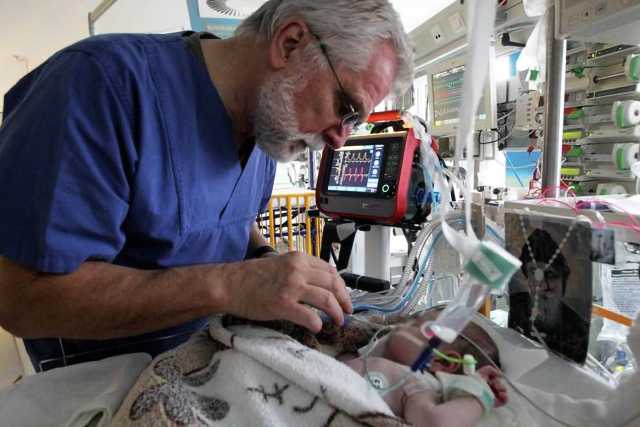
Usiamo l'HAMILTON-T1 per il trasporto all'interno dell'ospedale e per i trasferimenti in altre strutture. In questo modo siamo certi che il paziente sia sottoposto, durante il trasporto, a una ventilazione della stessa qualità di quella fornita al posto letto.
Medico esperto, unità di terapia intensiva pediatrica interdisciplinare
Centro di medicina pediatrica e dell'adolescenza, Magonza, Germania

Nel reparto di terapia intensiva si può fare affidamento su esami di laboratorio, emogasanalisi e imaging per stabilire la strategia di ventilazione. Durante il trasporto, spesso bisogna fare a meno di questi strumenti. Ecco perché la visualizzazione di curve in tempo reale, trend e dati in formati intuitivi è importante per fornire una base alle decisioni cliniche prese lungo il percorso.

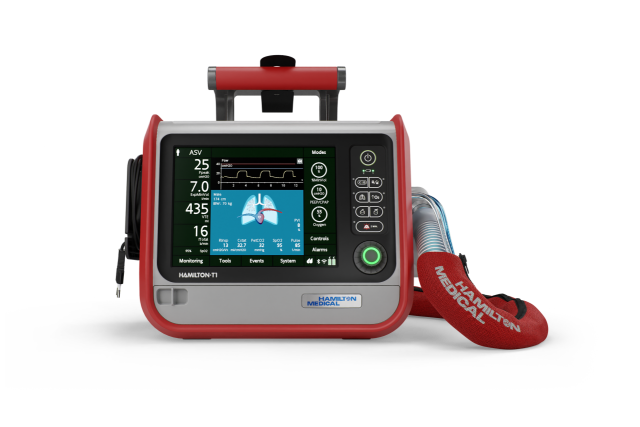
A bordo di ambulanze, elicotteri e velivoli medici lo spazio è poco ma c'è molto movimento. Il ventilatore deve essere compatto e stabile, deve funzionare anche senza rete elettrica e deve restare fermo in ogni situazione.

Il team dedicato al contesto preospedaliero di Hamilton Medical nasce per fornire una gamma completa di servizi e assistenza riguardo alla ventilazione meccanica per il trasporto nei contesti preospedalieri.