
Session expired

Due to inactivity your session has expired. Please login again.

Мы обнаружили, что вы посещаете наш сайт из страны Соединенные Штаты.
Для вашей страны (Соединенные Штаты) доступна отдельная версия веб-сайта.

 Продукты

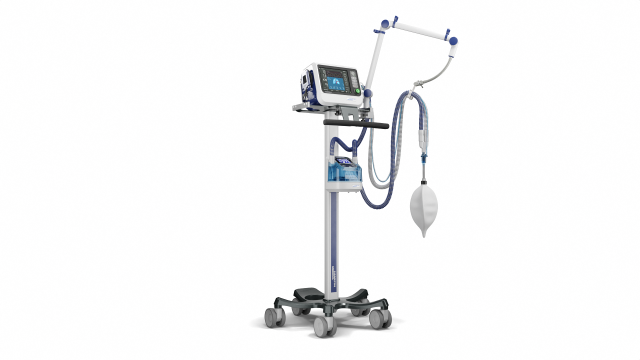
HAMILTON-C1.

Компактный и эффективный

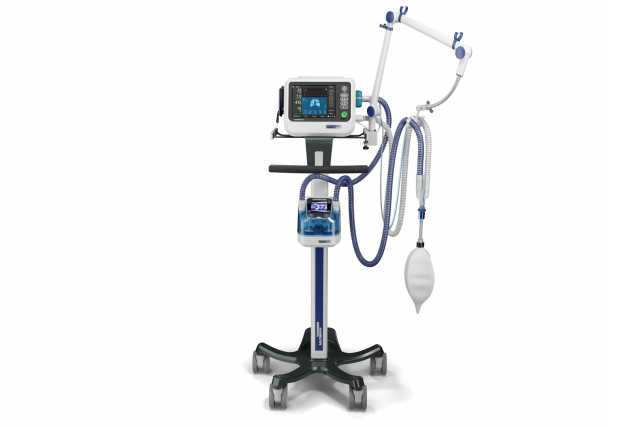
HAMILTON-C1

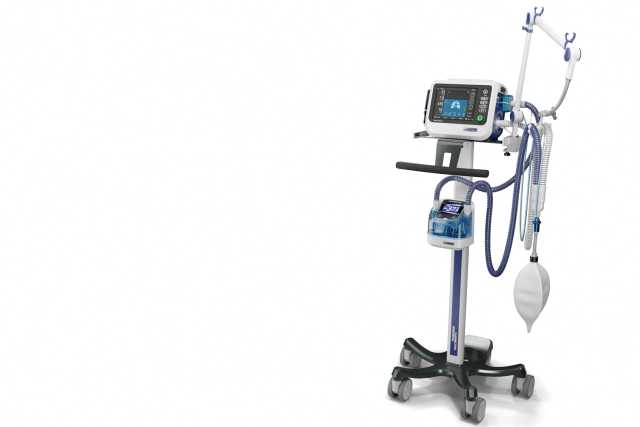
Наш универсал. На службе в любом месте
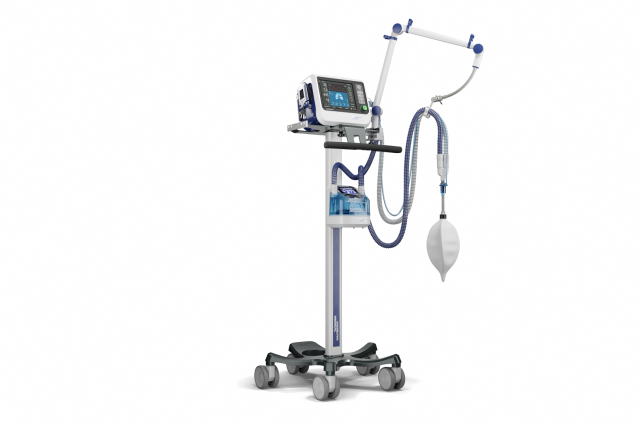
  • Отделения интенсивной терапии для взрослых, детей и новорожденных
  • Реанимационные отделения
  • Послеоперационные отделения
  • Длительная интенсивная терапия
  • Транспортировка в пределах медицинского учреждения
HAMILTON-C1
HAMILTON-C1

Наш универсал. На службе в любом месте.

  • Отделения интенсивной терапии для взрослых, детей и новорожденных
  • реанимационные отделения
  • послеоперационные отделения
  • длительная интенсивная терапия
  • транспортировка в пределах медицинского учреждения
HAMILTON-C1

От минимальной до максимальной поддержки. Вентиляция легких по вашему выбору

  • Терапия с высокой скоростью потока с помощью назальной канюли
  • неинвазивная вентиляция
  • режимы вентиляции с управлением по объему и давлению
  • адаптивная вентиляция с помощью ASV® и INTELLiVENT®-ASV
HAMILTON-C1

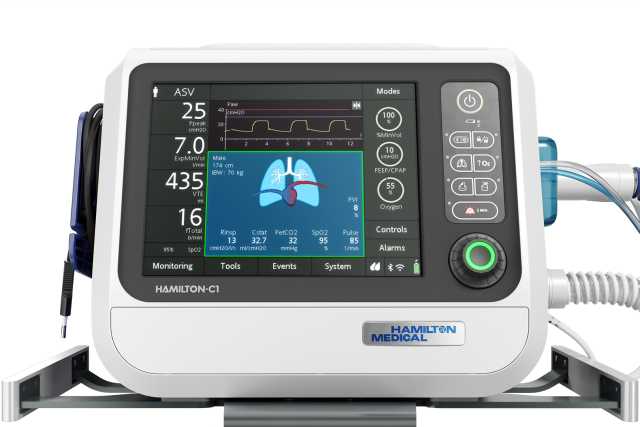
Более 1000 слов. Визуализация состояния легких

На панели «Динам. Легк» отображается податливость легких, сопротивление в дыхательных путях и синхронизация работы аппарата ИВЛ с реальным дыханием пациента.
HAMILTON-C1

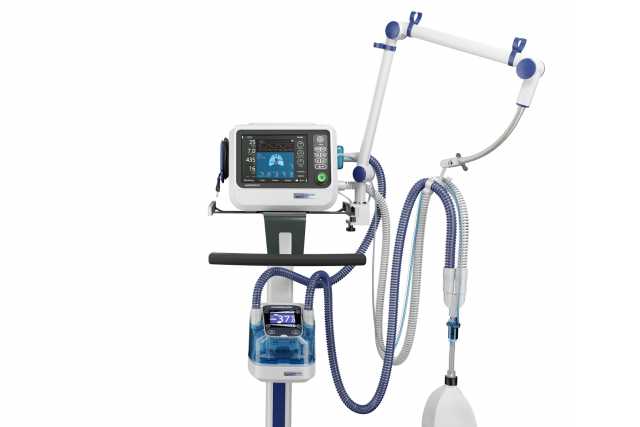
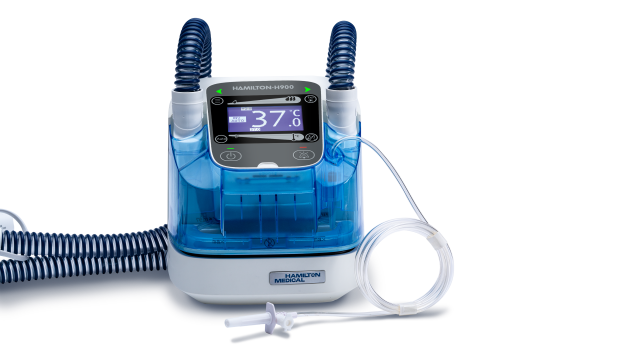
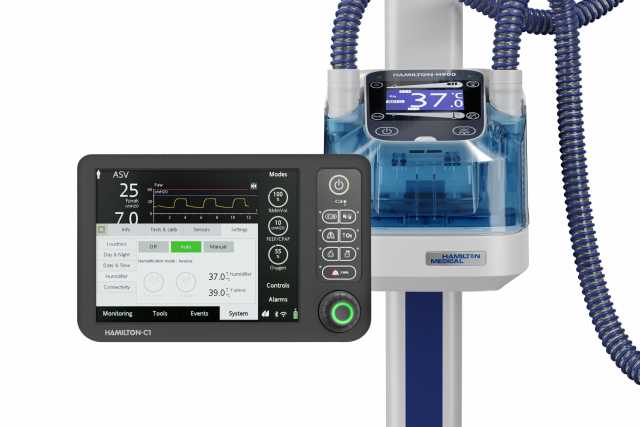
Управление увлажнителем и его состояние. На дисплее аппарата ИВЛ

Вы можете удобно управлять увлажнителем HAMILTON-H900 непосредственно на дисплее аппарата ИВЛ. HAMILTON-H900 синхронизируется с аппаратом ИВЛ и автоматически выбирает режим увлажнения в зависимости от режима вентиляции.
HAMILTON-C1

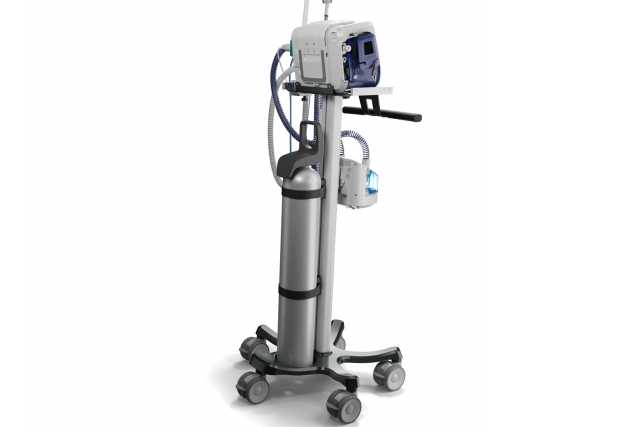
Абсолютно автономная работа. Без сжатого воздуха, питание от аккумулятора

  • Высокопроизводительная турбина
  • четыре часа работы от аккумулятора
  • держатель кислородного баллона
HAMILTON-C1
HAMILTON-C1
Пациент говорит по телефону с помощью голосового клапана.

Поговорим! Обеспечьте пациентам возможность говорить

Голосовой клапан для пациентов с трахеостомической трубкой позволяет им говорить и глотать даже во время вентиляции легких.

Функции мониторинга, триггирования и управления тревогами на аппарате ИВЛ отрегулированы для совместимости с голосовыми клапанами в режимах с управлением по давлению (PCV+, SPONT, PSIMV+).
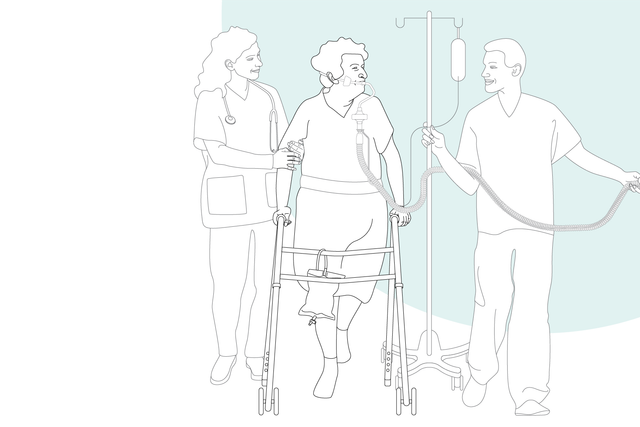
Изображение двух медработников, помогающих интубированному пациенту ходить

Чем быстрее, тем лучше. Ранняя мобилизация

Благодаря высокопроизводительной турбине, мощному аккумулятору, компактным размерам и ультрасовременным режимам вентиляции аппарат ИВЛ HAMILTON-C1 также сопровождает пациента во время первых попыток подняться с постели.

Хотите увидеть больше?
Посмотрите трехмерную модель

Рассматривайте аппарат ИВЛ HAMILTON-C1 со всех сторон и нажимайте на информационные точки, чтобы узнать о нем больше.

Для быстрого получения подробной информации

  • Стандартно
  • Опция
  • Не доступно
Группы пациентов Взрос./Пед., Младенец
Размеры (Ш x В x Г) 310 x 210 x 245 мм (аппарат ИВЛ)
630 x 630 x 1380 мм (с тележкой)
Вес 4,9 кг
16,9 кг с тележкой
Размер и разрешение монитора Диагональ 8,4 дюйма (214 мм)
640 x 480 пикселей
Съемный монитор
Срок эксплуатации аккумулятора 4 часа с одним аккумулятором
Аккумулятор, заменяемый без отключения аппарата
Подача воздуха Встроенная турбина
Соединитель O2 DISS (CGA 1240) или NIST
Возможности соединения CO2/вызов медсестры/COM1, CO2/SpO2/COM1, CO2/SpO2/увлажнитель и COM1, порт USB, порт Ethernet RJ-45
Громкость 43 дБ в обычном режиме работы
С управлением по объему и потоку
Адаптивная вентиляция с управлением по давлению и целевому объему
Pressure-controlled
Интеллектуальная вентиляция ASV®, INTELLiVENT®-ASV® (опция)
Неинвазивная вентиляция
Высокая скорость потока
Визуализация механики легких (панель «Динам. Легк.»)
Визуализация зависимости пациента от аппарата ИВЛ
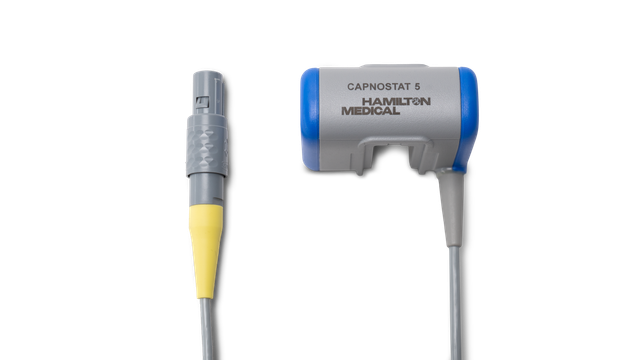
Капнография
Мониторинг SpO2
Lung stress and strain monitoring (Lung Impact panel)
Измерение пищеводного давления
Оценка рекрутмента и рекрутмент легких (инструмент P/V Tool Pro)
Синхронизация пациента с аппаратом ИВЛ (IntelliSync+)
Режим вентиляции СЛР
Модуль Hamilton Connect
Suctioning tool
SpeakValve compatibility
On-screen help
O2 assist
Удаленное подключение к увлажнителю HAMILTON-H900
Встроенный контроллер давления в манжете IntelliCuff
Встроенный пневматический небулайзер
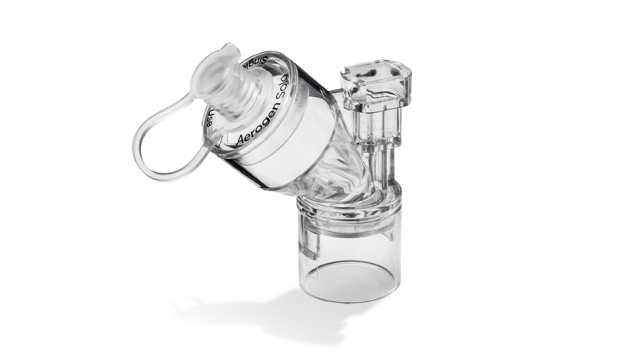
Встроенный небулайзер Aerogen
Совместимость с системой подачи анестетика Sedaconda ACD-S
Рики Уильямс

Отзывы клиентов

Поскольку аппарат ИВЛ HAMILTON-C1 переносной и имеет режим CPAP, это очень экономное решение для нашего учреждения, которое, к тому же, сокращает рабочую нагрузку на медицинский персонал.

Рики Уильямс

Аккредитованный специалист по дыхательной терапии, главный врач отделения искусственной вентиляции легких,
государственное объединение больниц для длительного пребывания БриджПоинт, Вашингтон, округ Колумбия, США

Для пациентов

Краткий обзор интеллектуальных решений для вентиляции

ASV® – Adaptive Support Ventilation®. Постоянная корректировка параметров вентиляции

В режиме ASV непрерывно (круглосуточно, с момента интубации и вплоть до экстубации) отслеживаются механика легких и дыхательные усилия пациента для каждого дыхательного цикла, а затем соответственно регулируются частота дыхания, дыхательный объем и время вдоха.

O2 assist. Для управления кислородом

O2 assist – это передовая технология управления кислородом, которая помогает точно настраивать параметры терапии. Она непрерывно регулирует подачу кислорода, чтобы поддерживать уровни SpO2 у пациента в пределах индивидуально установленного целевого диапазона, минимизируя ручное вмешательство (Roca O, Caritg O, Santafé M, et al. Closed-loop oxygen control improves oxygen therapy in acute hypoxemic respiratory failure patients under high flow nasal oxygen: a randomized cross-over study (the HILOOP study). Crit Care. 2022;26(1):108. Published 2022 Apr 14. doi:10.1186/s13054-022-03970-w105​, Atakul G, Ceylan G, Sandal O, et al. Closed-loop oxygen usage during invasive mechanical ventilation of pediatric patients (CLOUDIMPP): a randomized controlled cross-over study. Front Med (Lausanne). 2024;11:1426969. Published 2024 Sep 10. Doi:10.3389/fmed.2024.1426969106)106) и помогая снизить риск гипероксемии и гипоксемии для ваших пациентов (Sandal O, Ceylan G, Topal S, et al. Closed-loop oxygen control improves oxygenation in pediatric patients under high-flow nasal oxygen-A randomized crossover study. Front Med (Lausanne). 2022;9:1046902. Published 2022 Nov 16. doi:10.3389/fmed.2022.1046902107​, Trottier M, Bouchard PA, L'Her E, Lellouche F. Automated Oxygen Titration During CPAP and Noninvasive Ventilation in Healthy Subjects With Induced Hypoxemia. Respir Care. 2023;68(11):1553-1560. doi:10.4187/respcare.09866108​).

Удаленный доступ к увлажнителю. Для удобства пользователя

Благодаря уникальной возможности соединения аппарата ИВЛ увлажнителем HAMILTON-H900 (Увлажнитель HAMILTON-H900 не одобрен для использования во время транспортировки.д​) можно управлять непосредственно с экрана аппарата ИВЛ. С его помощью можно получить доступ ко всем элементам управления, мониторируемым параметрам и сигналам тревоги, а также настроить их при необходимости.

Увлажнитель также может автоматически устанавливать режим увлажнения (инвазивный, неинвазивный или с высокой скоростью потока) в зависимости от выбранного режима вентиляции.

Высокоэффективная неинвазивная вентиляция. с помощью лицевой маски

Неинвазивные режимы вентиляции обеспечивают спонтанные вдохи с поддержкой давлением и переключением на выдох по потоку (NIV и NIV-С/В), а также управляемые по давлению принудительные вдохи с переключением на выдох по времени (NIV-С/В).

По сравнению с аппаратами, которые используют сжатый воздух, наши турбинные аппараты ИВЛ обеспечивают более высокую скорость пикового потока. Таким образом, аппарат может эффективно функционировать даже при серьезных утечках.

Терапия с высокой скоростью потока с помощью назальной канюли. Для приверженцев оксигенации

Терапия с высокой скоростью потока с помощью назальной канюли (также называется кислородной терапией с высокой скоростью потока. Эти термины равнозначны; их можно использовать при терапии с высокой скоростью потока с помощью назальной канюлиf​) доступна как опция во всех наших аппаратах ИВЛ. Вам потребуется выполнить всего несколько простых действий, чтобы сменить интерфейс, а затем использовать те же устройство и дыхательный контур и обеспечить необходимые для пациента условия.

Она также доступна на нашем автономном аппарате для кислородной терапии с высокой скоростью потока с помощью назальной канюли HAMILTON‑HF90 (Доступно не во всех странахa.)

IntelliSync®+. Улучшение синхронности работы аппарата ИВЛ с состоянием пациента

Функция IntelliSync+ непрерывно анализирует формы кривых сотни раз в секунду, что позволяет немедленно обнаруживать дыхательные усилия пациента и инициировать вдох и выдох в реальном времени.

Функцию IntelliSync+ можно применять в различных режимах инвазивной и неинвазивной вентиляции.

Голосовой клапан. для разговорчивых пациентов

Голосовой клапан для пациентов с трахеостомической трубкой позволяет им говорить и глотать даже во время вентиляции легких.

Функции мониторинга, триггирования и управления тревогами на аппарате ИВЛ отрегулированы для совместимости с голосовыми клапанами в режимах с управлением по давлению (PCV+, SPONT, PSIMV+).

Режимы nCPAP. для маленьких пациентов

Режим nCPAP обеспечивает постоянное положительное давление в дыхательных путях пациента. В наших устройствах с управлением по потоку требуемое значение CPAP устанавливается с помощью подачи дыхательной газовой смеси. Для компенсации каких-либо утечек, возникающих, например, в области рта или носа, используется функция LeakAssist. В таком случае заданное значение давления достигается дополнительной подачей дыхательной газовой смеси.

INTELLiVENT®-ASV. Надежный помощник в проведении ИВЛ

Интеллектуальный режим вентиляции INTELLiVENT-ASV дает возможность непрерывно контролировать вентиляцию и оксигенацию легких пациента.

Он устанавливает параметры минутной вентиляции, PEEP и О2 на основе заданных врачом целевых значений, а также физиологических показателей пациента.

Встроенный небулайзер. для дополнительного лечения

Встроенный пневматический небулайзер полностью синхронизирован со временем вдоха и выдоха.

Встроенный синхронизированный небулайзер Aerogen доступен в качестве опции (Доступно не во всех странахa​, Только для аппаратов ИВЛ HAMILTON-C6/G5/S1б​).

Подача лекарственной смеси в виде мелкодисперсных аэрозольных частиц улучшает эффективность вентиляции, устраняет бронхоспазм и уменьшает гиперкапнию (Dhand R. New frontiers in aerosol delivery during mechanical ventilation. Respir Care. 2004;49(6):666-677. 100​, Waldrep JC, Dhand R. Advanced nebulizer designs employing vibrating mesh/aperture plate technologies for aerosol generation. Curr Drug Deliv. 2008;5(2):114-119. doi:10.2174/156720108783954815101​).

Режим вентиляции СЛР. Для спасателей

Во время вентиляции в режиме СЛР настройки адаптируются автоматически. В данном режиме обеспечивается быстрый доступ к предварительно заданным настройкам, соответствующая регулировка сигнала тревоги и триггера и отображение таймера СЛР.

Также отображаются главные отслеживаемые параметры и кривые, относящиеся к вентиляции СЛР.

Волюметрическая капнография. Для CO2ntrol freaks

Благодаря измерению проксимального потока и уровня CO2 наши аппараты ИВЛ могут выполнять волюметрическую капнографию, которая в свою очередь является важным подспорьем в оценке качества вентиляции и метаболической активности.

Панель «Сост. Вент». Для пациентов, готовых к отлучению

На панели «Сост. Вент» отображаются шесть параметров, которые связаны с зависимостью пациента от аппарата ИВЛ, в т. ч. оксигенация, выведение CO2 и дыхательная активность пациента.

Плавающий индикатор, перемещаясь вверх и вниз в пределах каждого столбца, отображает текущее значение определенного параметра.

Быстрое отлучение. для самостоятельных пациентов

В режиме INTELLiVENT-ASV предусмотрена функция быстрого отлучения, которая постоянно динамически отслеживает и контролирует состояние пациента, чтобы определить его потенциальную готовность к экстубации.

Панель «Динам. Легк.». для визуалов

На панели «Динам. Легк.» в графическом формате представлены важные данные мониторинга в реальном времени:

  • Податливость и сопротивление
  • Инициированные пациентом вдохи
  • Уровень SpO2
  • Частота пульса

Настраиваемые петли и тренды. для любителей статистики

Аппарат ИВЛ поддерживает построение динамической петли на основе выбранной комбинации мониторируемых параметров. Благодаря функции трендов вы можете просматривать информацию для мониторируемых параметров в выбранном временном интервале. 

Аппарат ИВЛ непрерывно сохраняет в памяти данные мониторируемых параметров, даже если он находится в режиме ожидания.

Пульсовая оксиметрия. для измерения уровня SpO2

Встроенная опция SpO2 обеспечивает неинвазивное измерение SpO2 с удобным отображением данных на экране аппарата ИВЛ.

Мы также предлагаем широкий спектр датчиков SpO2.

Для пользователя

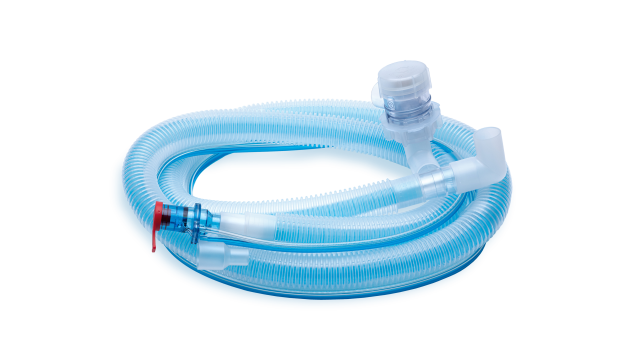
Комплект дыхательного контура, коаксиальный

Предварительно собран и готов к использованию

В предварительно собранные комплекты дыхательных контуров входят основные расходные материалы для работы аппарата ИВЛ, удобно упакованные в один пакет.

Все основные расходные материалы специально разработаны для аппаратов ИВЛ Hamilton Medical. Их качество гарантировано производителем.

автоматическая система управления; вращение поворотно-нажимного регулятора по часовой стрелке вручную

Меньше поворотов регулятора. Больше приспособлений для пациента

Для управления вентиляцией обычно необходимо установить несколько параметров, таких как давление, объем, триггеры вдоха и выдоха, давление в манжете и т. д. И после каждого изменения состояния пациента приходится выполнять корректировки — одну или даже несколько.

Чтобы упростить этот процесс и уменьшить количество поворотов регулятора, наша компания разработала ряд решений:

Адаптивная поддерживающая вентиляция (ASV) – это режим вентиляции, обеспечивающий непрерывное регулирование частоты дыхания, дыхательного объема и времени вдоха в соответствии с механикой внешнего дыхания и дыхательными усилиями пациента. Исследования подтвердили, что в режиме ASV продолжительность искусственной вентиляции у разных групп пациентов сокращается и требует меньше настроек вручную (Kirakli C, Naz I, Ediboglu O, Tatar D, Budak A, Tellioglu E. A randomized controlled trial comparing the ventilation duration between adaptive support ventilation and pressure assist/control ventilation in medical patients in the ICU. Chest. 2015;147(6):1503-1509. doi:10.1378/chest.14-25991​, Tam MK, Wong WT, Gomersall CD, et al. A randomized controlled trial of 2 protocols for weaning cardiac surgical patients receiving adaptive support ventilation. J Crit Care. 2016;33:163-168. doi:10.1016/j.jcrc.2016.01.0182​, Zhu F, Gomersall CD, Ng SK, Underwood MJ, Lee A. A randomized controlled trial of adaptive support ventilation mode to wean patients after fast-track cardiac valvular surgery. Anesthesiology. 2015;122(4):832-840. doi:10.1097/ALN.00000000000005893​).

Наш интеллектуальный режим вентиляции INTELLiVENT-ASV превращает вас из оператора, поворачивающего регулятор, в наблюдателя и сокращает количество ручных взаимодействий с аппаратом ИВЛ (Beijers AJ, Roos AN, Bindels AJ. Fully automated closed-loop ventilation is safe and effective in post-cardiac surgery patients. Intensive Care Med. 2014;40(5):752-753. doi:10.1007/s00134-014-3234-74​, Bialais E, Wittebole X, Vignaux L, et al. Closed-loop ventilation mode (IntelliVent®-ASV) in intensive care unit: a randomized trial. Minerva Anestesiol. 2016;82(6):657-668. 5​, Fot EV, Izotova NN, Yudina AS, Smetkin AA, Kuzkov VV, Kirov MY. Automated Weaning from Mechanical Ventilation after Off-Pump Coronary Artery Bypass Grafting. Front Med (Lausanne). 2017;4:31. Published 2017 Mar 21. doi:10.3389/fmed.2017.000316​), а также обеспечивает вентиляцию с индивидуальными настройками защиты легких пациента (Bialais E, Wittebole X, Vignaux L, et al. Closed-loop ventilation mode (IntelliVent®-ASV) in intensive care unit: a randomized trial. Minerva Anestesiol. 2016;82(6):657-668. 5​, Fot EV, Izotova NN, Yudina AS, Smetkin AA, Kuzkov VV, Kirov MY. Automated Weaning from Mechanical Ventilation after Off-Pump Coronary Artery Bypass Grafting. Front Med (Lausanne). 2017;4:31. Published 2017 Mar 21. doi:10.3389/fmed.2017.000316​, Arnal JM, Saoli M, Garnero A. Airway and transpulmonary driving pressures and mechanical powers selected by INTELLiVENT-ASV in passive, mechanically ventilated ICU patients. Heart Lung. 2020;49(4):427-434. doi:10.1016/j.hrtlng.2019.11.0017​) от интубации до экстубации.

Стандартное решение для управления давлением в манжете, которое требует контроля и регулирования давления в манжете вручную.

Устройство IntelliCuff защищает дыхательные пути пациента (Chenelle CT, Oto J, Sulemanji D, Fisher DF, Kacmarek RM. Evaluation of an automated endotracheal tube cuff controller during simulated mechanical ventilation. Respir Care. 2015;60(2):183-190. doi:10.4187/respcare.033878​) путем непрерывного измерения и автоматической поддержки заданного давления в манжете у всех групп пациентов: взрослых, детей и младенцев.

O2 assist — это передовая технология управления кислородом, которая помогает точно настраивать параметры терапии. Она непрерывно регулирует подачу кислорода, чтобы поддерживать уровни SpO2 у пациента в пределах индивидуально установленного целевого диапазона, минимизируя ручное вмешательство (Roca O, Caritg O, Santafé M, et al. Closed-loop oxygen control improves oxygen therapy in acute hypoxemic respiratory failure patients under high flow nasal oxygen: a randomized cross-over study (the HILOOP study). Crit Care. 2022;26(1):108. Published 2022 Apr 14. doi:10.1186/s13054-022-03970-w105​, Atakul G, Ceylan G, Sandal O, et al. Closed-loop oxygen usage during invasive mechanical ventilation of pediatric patients (CLOUDIMPP): a randomized controlled cross-over study. Front Med (Lausanne). 2024;11:1426969. Published 2024 Sep 10. Doi:10.3389/fmed.2024.1426969106)106) и помогая снизить риск гипероксемии и гипоксемии для ваших пациентов (Sandal O, Ceylan G, Topal S, et al. Closed-loop oxygen control improves oxygenation in pediatric patients under high-flow nasal oxygen-A randomized crossover study. Front Med (Lausanne). 2022;9:1046902. Published 2022 Nov 16. doi:10.3389/fmed.2022.1046902107​, Trottier M, Bouchard PA, L'Her E, Lellouche F. Automated Oxygen Titration During CPAP and Noninvasive Ventilation in Healthy Subjects With Induced Hypoxemia. Respir Care. 2023;68(11):1553-1560. doi:10.4187/respcare.09866108​).

Профессиональное взаимодействие с сенсорным экраном

Помощь рядом! Экранные инструкции по устранению проблем

При возникновении проблемы аппарат ИВЛ генерирует предупреждение с помощью светового индикатора тревоги, звукового сигнала и строки сообщений.

Экранная справка предлагает способы устранения причины тревоги.

Применение аппарата ИВЛ у пациента в кресле для перевозки больных

Прощай, аппарат ИВЛ! Инструменты для выполнения протоколов отлучения

Мы хотим, чтобы пациент перестал нуждаться в аппарате ИВЛ как можно быстрее. Поэтому наша компания предоставляет инструменты, помогающие выполнить протокол отлучения.

К ним относятся визуальные средства и режимы вентиляции, предназначенные для стимуляции спонтанного дыхания.

Профессиональный взгляд на средства дистанционного обучения от компании Hamilton Medical

Научитесь! Учебные планы и материалы для обучения

Наша онлайн-академия предлагает простые планы изучения, чтобы как можно быстрее ознакомить вас с продуктами и технологиями компании Hamilton Medical.

Гейл Спенсер

Отзывы клиентов

Режим ASV помогает не только в отлучении пациентов от аппарата ИВЛ, но и сокращает число требуемых ручных настроек, благодаря чему я могу уделять больше внимания своим пациентам.

Гейл Спенсер

Аккредитованный специалист по дыхательной терапии, старший специалист по дыхательной терапии,
больница BridgePoint Hospital National Harbor, Вашингтон, округ Колумбия, США

На будущее

Изображение компаса, стрелка которого указывает на будущее

Непрерывное развитие. Расширение возможностей аппарата ИВЛ

Наша компания постоянно работает над развитием своих продуктов. Мы добавляем новые функции и улучшаем уже имеющиеся, чтобы у пользователей всегда был доступ к новейшим технологиям вентиляции в течение всего срока службы аппарата ИВЛ.

Способы поддержки актуального состояния аппарата ИВЛ
Серия аппаратов ИВЛ Hamilton Серия аппаратов ИВЛ Hamilton

Изучите один, работайте со всеми. Универсальный интерфейс пользователя

Все аппараты ИВЛ Hamilton Medical, которые используются в отделении интенсивной терапии, кабинете МРТ или при транспортировке, имеют одинаковый интерфейс пользователя.

В системе Ventilation Cockpit сложные данные отображаются в виде интуитивно понятных графиков.

Для комплексного решения

Полностью интегрированные принадлежности

При разработке аксессуаров мы стремимся обеспечить максимально возможную безопасность пациентов и простоту использования. По возможности мы встраиваем их в аппарат ИВЛ, чтобы упростить работу всей его системы.

Расходные материалы Hamilton Medical

Все оригинальные продукты Hamilton Medical предназначены для обеспечения оптимальной работы аппаратов ИВЛ компании. Мы стремимся соответствовать самым высоким стандартам качества и безопасности, чтобы удовлетворить запросы самых требовательных пользователей и обеспечить защищенность пациентов.
Фотография сотрудника

Поговорите с нашими экспертами. Давайте обсудим ваши потребности

Наша команда специалистов по вентиляции будет рада помочь вам выбрать идеальный аппарат для вашей клиники и помочь вам достичь ваших терапевтических целей. Получите индивидуальное ценовое предложение или запланируйте обратный звонок для получения дополнительной информации.

Список литературы

  1. 1. Kirakli C, Naz I, Ediboglu O, Tatar D, Budak A, Tellioglu E. A randomized controlled trial comparing the ventilation duration between adaptive support ventilation and pressure assist/control ventilation in medical patients in the ICU. Chest. 2015;147(6):1503-1509. doi:10.1378/chest.14-2599
  2. 2. Tam MK, Wong WT, Gomersall CD, et al. A randomized controlled trial of 2 protocols for weaning cardiac surgical patients receiving adaptive support ventilation. J Crit Care. 2016;33:163-168. doi:10.1016/j.jcrc.2016.01.018
  3. 3. Zhu F, Gomersall CD, Ng SK, Underwood MJ, Lee A. A randomized controlled trial of adaptive support ventilation mode to wean patients after fast-track cardiac valvular surgery. Anesthesiology. 2015;122(4):832-840. doi:10.1097/ALN.0000000000000589
  4. 4. Beijers AJ, Roos AN, Bindels AJ. Fully automated closed-loop ventilation is safe and effective in post-cardiac surgery patients. Intensive Care Med. 2014;40(5):752-753. doi:10.1007/s00134-014-3234-7
  5. 5. Bialais E, Wittebole X, Vignaux L, et al. Closed-loop ventilation mode (IntelliVent®-ASV) in intensive care unit: a randomized trial. Minerva Anestesiol. 2016;82(6):657-668.
  6. 6. Fot EV, Izotova NN, Yudina AS, Smetkin AA, Kuzkov VV, Kirov MY. Automated Weaning from Mechanical Ventilation after Off-Pump Coronary Artery Bypass Grafting. Front Med (Lausanne). 2017;4:31. Published 2017 Mar 21. doi:10.3389/fmed.2017.00031
  7. 7. Arnal JM, Saoli M, Garnero A. Airway and transpulmonary driving pressures and mechanical powers selected by INTELLiVENT-ASV in passive, mechanically ventilated ICU patients. Heart Lung. 2020;49(4):427-434. doi:10.1016/j.hrtlng.2019.11.001


  1. 8. Chenelle CT, Oto J, Sulemanji D, Fisher DF, Kacmarek RM. Evaluation of an automated endotracheal tube cuff controller during simulated mechanical ventilation. Respir Care. 2015;60(2):183-190. doi:10.4187/respcare.03387
  2. 100. Dhand R. New frontiers in aerosol delivery during mechanical ventilation. Respir Care. 2004;49(6):666-677.
  3. 101. Waldrep JC, Dhand R. Advanced nebulizer designs employing vibrating mesh/aperture plate technologies for aerosol generation. Curr Drug Deliv. 2008;5(2):114-119. doi:10.2174/156720108783954815
  4. 105. Roca O, Caritg O, Santafé M, et al. Closed-loop oxygen control improves oxygen therapy in acute hypoxemic respiratory failure patients under high flow nasal oxygen: a randomized cross-over study (the HILOOP study). Crit Care. 2022;26(1):108. Published 2022 Apr 14. doi:10.1186/s13054-022-03970-w
  5. 106. Atakul G, Ceylan G, Sandal O, et al. Closed-loop oxygen usage during invasive mechanical ventilation of pediatric patients (CLOUDIMPP): a randomized controlled cross-over study. Front Med (Lausanne). 2024;11:1426969. Published 2024 Sep 10. doi:10.3389/fmed.2024.1426969
  6. 107. Sandal O, Ceylan G, Topal S, et al. Closed-loop oxygen control improves oxygenation in pediatric patients under high-flow nasal oxygen-A randomized crossover study. Front Med (Lausanne). 2022;9:1046902. Published 2022 Nov 16. doi:10.3389/fmed.2022.1046902
  7. 108. Trottier M, Bouchard PA, L'Her E, Lellouche F. Automated Oxygen Titration During CPAP and Noninvasive Ventilation in Healthy Subjects With Induced Hypoxemia. Respir Care. 2023;68(11):1553-1560. doi:10.4187/respcare.09866

Сноски

  • a. Недоступен для некоторых стран
  • b. Доступно только для аппаратов ИВЛ HAMILTON-C6/G5/S1


  • e. Увлажнитель HAMILTON-H900 не одобрен для использования во время транспортировки
  • f. Также называется кислородной терапией с высокой скоростью потока. Эти термины равнозначны; их можно использовать при терапии с высокой скоростью потока с помощью назальной канюли.

A randomized controlled trial comparing the ventilation duration between adaptive support ventilation and pressure assist/control ventilation in medical patients in the ICU.

Kirakli C, Naz I, Ediboglu O, Tatar D, Budak A, Tellioglu E. A randomized controlled trial comparing the ventilation duration between adaptive support ventilation and pressure assist/control ventilation in medical patients in the ICU. Chest. 2015;147(6):1503-1509. doi:10.1378/chest.14-2599

BACKGROUND Adaptive support ventilation (ASV) is a closed loop mode of mechanical ventilation (MV) that provides a target minute ventilation by automatically adapting inspiratory pressure and respiratory rate with the minimum work of breathing on the part of the patient. The aim of this study was to determine the effect of ASV on total MV duration when compared with pressure assist/control ventilation. METHODS Adult medical patients intubated and mechanically ventilated for > 24 h in a medical ICU were randomized to either ASV or pressure assist/control ventilation. Sedation and medical treatment were standardized for each group. Primary outcome was the total MV duration. Secondary outcomes were the weaning duration, number of manual settings of the ventilator, and weaning success rates. RESULTS Two hundred twenty-nine patients were included. Median MV duration until weaning, weaning duration, and total MV duration were significantly shorter in the ASV group (67 [43-94] h vs 92 [61-165] h, P = .003; 2 [2-2] h vs 2 [2-80] h, P = .001; and 4 [2-6] days vs 4 [3-9] days, P = .016, respectively). Patients in the ASV group required fewer total number of manual settings on the ventilator to reach the desired pH and Paco2 levels (2 [1-2] vs 3 [2-5], P < .001). The number of patients extubated successfully on the first attempt was significantly higher in the ASV group (P = .001). Weaning success and mortality at day 28 were comparable between the two groups. CONCLUSIONS In medical patients in the ICU, ASV may shorten the duration of weaning and total MV duration with a fewer number of manual ventilator settings. TRIAL REGISTRY ClinicalTrials.gov; No.: NCT01472302; URL: www.clinicaltrials.gov.

A randomized controlled trial of 2 protocols for weaning cardiac surgical patients receiving adaptive support ventilation.

Tam MK, Wong WT, Gomersall CD, et al. A randomized controlled trial of 2 protocols for weaning cardiac surgical patients receiving adaptive support ventilation. J Crit Care. 2016;33:163-168. doi:10.1016/j.jcrc.2016.01.018

PURPOSE This study aims to compare the effectiveness of weaning with adaptive support ventilation (ASV) incorporating progressively reduced or constant target minute ventilation in the protocol in postoperative care after cardiac surgery. MATERIAL AND METHODS A randomized controlled unblinded study of 52 patients after elective coronary artery bypass surgery was carried out to determine whether a protocol incorporating a decremental target minute ventilation (DTMV) results in more rapid weaning of patients ventilated in ASV mode compared to a protocol incorporating a constant target minute ventilation. RESULTS Median duration of mechanical ventilation (145 vs 309 minutes; P = .001) and intubation (225 vs 423 minutes; P = .005) were significantly shorter in the DTMV group. There was no difference in adverse effects (42% vs 46%) or mortality (0% vs 0%) between the 2 groups. CONCLUSIONS Use of a DTMV protocol for postoperative ventilation of cardiac surgical patients in ASV mode results in a shorter duration of ventilation and intubation without evidence of increased risk of adverse effects.

A randomized controlled trial of adaptive support ventilation mode to wean patients after fast-track cardiac valvular surgery.

Zhu F, Gomersall CD, Ng SK, Underwood MJ, Lee A. A randomized controlled trial of adaptive support ventilation mode to wean patients after fast-track cardiac valvular surgery. Anesthesiology. 2015;122(4):832-840. doi:10.1097/ALN.0000000000000589

BACKGROUND Adaptive support ventilation can speed weaning after coronary artery surgery compared with protocolized weaning using other modes. There are no data to support this mode of weaning after cardiac valvular surgery. Furthermore, control group weaning times have been long, suggesting that the results may reflect control group protocols that delay weaning rather than a real advantage of adaptive support ventilation. METHODS Randomized (computer-generated sequence and sealed opaque envelopes), parallel-arm, unblinded trial of adaptive support ventilation versus physician-directed weaning after adult fast-track cardiac valvular surgery. The primary outcome was duration of mechanical ventilation. Patients aged 18 to 80 yr without significant renal, liver, or lung disease or severe impairment of left ventricular function undergoing uncomplicated elective valve surgery were eligible. Care was standardized, except postoperative ventilation. In the adaptive support ventilation group, target minute ventilation and inspired oxygen concentration were adjusted according to blood gases. A spontaneous breathing trial was carried out when the total inspiratory pressure of 15 cm H2O or less with positive end-expiratory pressure of 5 cm H2O. In the control group, the duty physician made all ventilatory decisions. RESULTS Median duration of ventilation was statistically significantly shorter (P = 0.013) in the adaptive support ventilation group (205 [141 to 295] min, n = 30) than that in controls (342 [214 to 491] min, n = 31). Manual ventilator changes and alarms were less common in the adaptive support ventilation group, and arterial blood gas estimations were more common. CONCLUSION Adaptive support ventilation reduces ventilation time by more than 2 h in patients who have undergone fast-track cardiac valvular surgery while reducing the number of manual ventilator changes and alarms.

Fully automated closed-loop ventilation is safe and effective in post-cardiac surgery patients.

Beijers AJ, Roos AN, Bindels AJ. Fully automated closed-loop ventilation is safe and effective in post-cardiac surgery patients. Intensive Care Med. 2014;40(5):752-753. doi:10.1007/s00134-014-3234-7

Closed-loop ventilation mode (IntelliVent®-ASV) in intensive care unit: a randomized trial.

Bialais E, Wittebole X, Vignaux L, et al. Closed-loop ventilation mode (IntelliVent®-ASV) in intensive care unit: a randomized trial. Minerva Anestesiol. 2016;82(6):657-668.

BACKGROUND Closed-loop modes automatically adjust ventilation settings, delivering individualized ventilation over short periods of time. The objective of this randomized controlled trial was to compare safety, efficacy and workload for the health care team between IntelliVent®-ASV and conventional modes over a 48-hour period. METHODS ICU patients admitted with an expected duration of mechanical ventilation of more than 48 hours were randomized to IntelliVent®-ASV or conventional ventilation modes. All ventilation parameters were recorded breath-by-breath. The number of manual adjustments assesses workload for the healthcare team. Safety and efficacy were assessed by calculating the time spent within previously defined ranges of non-optimal and optimal ventilation, respectively. RESULTS Eighty patients were analyzed. The median values of ventilation parameters over 48 hours were similar in both groups except for PEEP (7[4] cmH2O versus 6[3] cmH2O with IntelliVent®-ASV and conventional ventilation, respectively, P=0.028) and PETCO2 (36±7 mmHg with IntelliVent®-ASV versus 40±8 mmHg with conventional ventilation, P=0.041). Safety was similar between IntelliVent®-ASV and conventional ventilation for all parameters except for PMAX, which was more often non-optimal with IntelliVent®-ASV (P=0.001). Efficacy was comparable between the 2 ventilation strategies, except for SpO2 and VT, which were more often optimal with IntelliVent®-ASV (P=0.005, P=0.016, respectively). IntelliVent®-ASV required less manual adjustments than conventional ventilation (P<0.001) for a higher total number of adjustments (P<0.001). The coefficient of variation over 48 hours was larger with IntelliVent®-ASV in regard of maximum pressure, inspiratory pressure (PINSP), and PEEP as compared to conventional ventilation. CONCLUSIONS IntelliVent®-ASV required less manual intervention and delivered more variable PEEP and PINSP, while delivering ventilation safe and effective ventilation in terms of VT, RR, SpO2 and PETCO2.

Automated Weaning from Mechanical Ventilation after Off-Pump Coronary Artery Bypass Grafting.

Fot EV, Izotova NN, Yudina AS, Smetkin AA, Kuzkov VV, Kirov MY. Automated Weaning from Mechanical Ventilation after Off-Pump Coronary Artery Bypass Grafting. Front Med (Lausanne). 2017;4:31. Published 2017 Mar 21. doi:10.3389/fmed.2017.00031

BACKGROUND The discontinuation of mechanical ventilation after coronary surgery may prolong and significantly increase the load on intensive care unit personnel. We hypothesized that automated mode using INTELLiVENT-ASV can decrease duration of postoperative mechanical ventilation, reduce workload on medical staff, and provide safe ventilation after off-pump coronary artery bypass grafting (OPCAB). The primary endpoint of our study was to assess the duration of postoperative mechanical ventilation during different modes of weaning from respiratory support (RS) after OPCAB. The secondary endpoint was to assess safety of the automated weaning mode and the number of manual interventions to the ventilator settings during the weaning process in comparison with the protocolized weaning mode. MATERIALS AND METHODS Forty adult patients undergoing elective OPCAB were enrolled into a prospective single-center study. Patients were randomized into two groups: automated weaning (n = 20) using INTELLiVENT-ASV mode with quick-wean option; and protocolized weaning (n = 20), using conventional synchronized intermittent mandatory ventilation (SIMV) + pressure support (PS) mode. We assessed the duration of postoperative ventilation, incidence and duration of unacceptable RS, and the load on medical staff. We also performed the retrospective analysis of 102 patients (standard weaning) who were weaned from ventilator with SIMV + PS mode based on physician's experience without prearranged algorithm. RESULTS AND DISCUSSION Realization of the automated weaning protocol required change in respiratory settings in 2 patients vs. 7 (5-9) adjustments per patient in the protocolized weaning group. Both incidence and duration of unacceptable RS were reduced significantly by means of the automated weaning approach. The FiO2 during spontaneous breathing trials was significantly lower in the automated weaning group: 30 (30-35) vs. 40 (40-45) % in the protocolized weaning group (p < 0.01). The average time until tracheal extubation did not differ in the automated weaning and the protocolized weaning groups: 193 (115-309) and 197 (158-253) min, respectively, but increased to 290 (210-411) min in the standard weaning group. CONCLUSION The automated weaning system after off-pump coronary surgery might provide postoperative ventilation in a more protective way, reduces the workload on medical staff, and does not prolong the duration of weaning from ventilator. The use of automated or protocolized weaning can reduce the duration of postoperative mechanical ventilation in comparison with non-protocolized weaning based on the physician's decision.

Airway and transpulmonary driving pressures and mechanical powers selected by INTELLiVENT-ASV in passive, mechanically ventilated ICU patients.

Arnal JM, Saoli M, Garnero A. Airway and transpulmonary driving pressures and mechanical powers selected by INTELLiVENT-ASV in passive, mechanically ventilated ICU patients. Heart Lung. 2020;49(4):427-434. doi:10.1016/j.hrtlng.2019.11.001

BACKGROUND Driving pressure (ΔP) and mechanical power (MP) are predictors of the risk of ventilation- induced lung injuries (VILI) in mechanically ventilated patients. INTELLiVENT-ASV® is a closed-loop ventilation mode that automatically adjusts respiratory rate and tidal volume, according to the patient's respiratory mechanics. OBJECTIVES This prospective observational study investigated ΔP and MP (and also transpulmonary ΔP (ΔPL) and MP (MPL) for a subgroup of patients) delivered by INTELLiVENT-ASV. METHODS Adult patients admitted to the ICU were included if they were sedated and met the criteria for a single lung condition (normal lungs, COPD, or ARDS). INTELLiVENT-ASV was used with default target settings. If PEEP was above 16 cmH2O, the recruitment strategy used transpulmonary pressure as a reference, and ΔPL and MPL were computed. Measurements were made once for each patient. RESULTS Of the 255 patients included, 98 patients were classified as normal-lungs, 28 as COPD, and 129 as ARDS patients. The median ΔP was 8 (7 - 10), 10 (8 - 12), and 9 (8 - 11) cmH2O for normal-lungs, COPD, and ARDS patients, respectively. The median MP was 9.1 (4.9 - 13.5), 11.8 (8.6 - 16.5), and 8.8 (5.6 - 13.8) J/min for normal-lungs, COPD, and ARDS patients, respectively. For the 19 patients managed with transpulmonary pressure ΔPL was 6 (4 - 7) cmH2O and MPL was 3.6 (3.1 - 4.4) J/min. CONCLUSIONS In this short term observation study, INTELLiVENT-ASV selected ΔP and MP considered in safe ranges for lung protection. In a subgroup of ARDS patients, the combination of a recruitment strategy and INTELLiVENT-ASV resulted in an apparently safe ΔPL and MPL.

Evaluation of an automated endotracheal tube cuff controller during simulated mechanical ventilation.

Chenelle CT, Oto J, Sulemanji D, Fisher DF, Kacmarek RM. Evaluation of an automated endotracheal tube cuff controller during simulated mechanical ventilation. Respir Care. 2015;60(2):183-190. doi:10.4187/respcare.03387

BACKGROUND Maintaining endotracheal tube cuff pressure within a narrow range is an important factor in patient care. The goal of this study was to evaluate the IntelliCuff against the manual technique for maintaining cuff pressure during simulated mechanical ventilation with and without movement. METHODS The IntelliCuff was compared to the manual technique of a manometer and syringe. Two independent studies were performed during mechanical ventilation: part 1, a 2-h trial incorporating continuous mannikin head movement; and part 2, an 8-h trial using a stationary trachea model. We set cuff pressure to 25 cm H2O, PEEP to 10 cm H2O, and peak inspiratory pressures to 20, 30, and 40 cm H2O. Clinical importance was defined as both statistically significant (P<.05) and clinically significant (pressure change [Δ]>10%). RESULTS In part 1, the change in cuff pressure from before to after ventilation was clinically important for the manual technique (P<.001, Δ=-39.6%) but not for the IntelliCuff (P=.02, Δ=3.5%). In part 2, the change in cuff pressure from before to after ventilation was clinically important for the manual technique (P=.004, Δ=-14.39%) but not for the IntelliCuff (P=.20, Δ=5.65%). CONCLUSIONS There was a clinically important drop in manually set cuff pressure during simulated mechanical ventilation in a stationary model and an even larger drop with movement, but this was significantly reduced by the IntelliCuff in both scenarios. Additionally, we observed that cuff pressure varied directly with inspiratory airway pressure for both techniques, leading to elevated average cuff pressures.

New frontiers in aerosol delivery during mechanical ventilation.

Dhand R. New frontiers in aerosol delivery during mechanical ventilation. Respir Care. 2004;49(6):666-677.

The scientific basis for inhalation therapy in mechanically-ventilated patients is now firmly established. A variety of new devices that deliver drugs to the lung with high efficiency could be employed for drug delivery during mechanical ventilation. Encapsulation of drugs within liposomes could increase the amount of drug delivered, prolong the effect of a dose, and minimize adverse effects. With improved inhalation devices and surfactant formulations, inhaled surfactant could be employed for several indications in mechanically-ventilated patients. Research is unraveling the causes of some disorders that have been poorly understood, and our improved understanding of the causal mechanisms of various respiratory disorders will provide new applications for inhaled therapies.

Advanced nebulizer designs employing vibrating mesh/aperture plate technologies for aerosol generation.

Waldrep JC, Dhand R. Advanced nebulizer designs employing vibrating mesh/aperture plate technologies for aerosol generation. Curr Drug Deliv. 2008;5(2):114-119. doi:10.2174/156720108783954815

Recent technological advances and improved nebulizer designs have overcome many limitations of jet nebulizers. Newer devices employ a vibrating mesh or aperture plate (VM/AP) for the generation of therapeutic aerosols with consistent, increased efficiency, predominant aerosol fine particle fractions, low residuals, and the ability to nebulize even microliter volumes. These enhancements are achieved through several different design features and include improvements that promote patient compliance, such as compact design, portability, shorter treatment durations, and quiet operation. Current VM/AP devices in clinical use are the Omron MicroAir, the Nektar Aeroneb, and the Pari eFlow. However, some devices are only approved for use with specific medications. Development of "smart nebulizers" such as the Respironics I-neb couple VM technologies with coordinated delivery and optimized inhalation patterns to enhance inhaled drug delivery of specialized, expensive formulations. Ongoing development of advanced aerosol technologies should improve clinical outcomes and continue to expand therapeutic options as newer inhaled drugs become available.

Closed-loop oxygen control improves oxygen therapy in acute hypoxemic respiratory failure patients under high flow nasal oxygen: a randomized cross-over study (the HILOOP study).

Roca O, Caritg O, Santafé M, et al. Closed-loop oxygen control improves oxygen therapy in acute hypoxemic respiratory failure patients under high flow nasal oxygen: a randomized cross-over study (the HILOOP study). Crit Care. 2022;26(1):108. Published 2022 Apr 14. doi:10.1186/s13054-022-03970-w

BACKGROUND We aimed to assess the efficacy of a closed-loop oxygen control in critically ill patients with moderate to severe acute hypoxemic respiratory failure (AHRF) treated with high flow nasal oxygen (HFNO). METHODS In this single-centre, single-blinded, randomized crossover study, adult patients with moderate to severe AHRF who were treated with HFNO (flow rate ≥ 40 L/min with FiO2 ≥ 0.30) were randomly assigned to start with a 4-h period of closed-loop oxygen control or 4-h period of manual oxygen titration, after which each patient was switched to the alternate therapy. The primary outcome was the percentage of time spent in the individualized optimal SpO2 range. RESULTS Forty-five patients were included. Patients spent more time in the optimal SpO2 range with closed-loop oxygen control compared with manual titrations of oxygen (96.5 [93.5 to 98.9] % vs. 89 [77.4 to 95.9] %; p < 0.0001) (difference estimate, 10.4 (95% confidence interval 5.2 to 17.2). Patients spent less time in the suboptimal range during closed-loop oxygen control, both above and below the cut-offs of the optimal SpO2 range, and less time above the suboptimal range. Fewer number of manual adjustments per hour were needed with closed-loop oxygen control. The number of events of SpO2 < 88% and < 85% were not significantly different between groups. CONCLUSIONS Closed-loop oxygen control improves oxygen administration in patients with moderate-to-severe AHRF treated with HFNO, increasing the percentage of time in the optimal oxygenation range and decreasing the workload of healthcare personnel. These results are especially relevant in a context of limited oxygen supply and high medical demand, such as the COVID-19 pandemic. Trial registration The HILOOP study was registered at www. CLINICALTRIALS gov under the identifier NCT04965844 .

Closed-loop oxygen usage during invasive mechanical ventilation of pediatric patients (CLOUDIMPP): a randomized controlled cross-over study.

Atakul G, Ceylan G, Sandal O, et al. Closed-loop oxygen usage during invasive mechanical ventilation of pediatric patients (CLOUDIMPP): a randomized controlled cross-over study. Front Med (Lausanne). 2024;11:1426969. Published 2024 Sep 10. doi:10.3389/fmed.2024.1426969

BACKGROUND The aim of this study is the evaluation of a closed-loop oxygen control system in pediatric patients undergoing invasive mechanical ventilation (IMV). METHODS Cross-over, multicenter, randomized, single-blind clinical trial. Patients between the ages of 1 month and 18 years who were undergoing IMV therapy for acute hypoxemic respiratory failure (AHRF) were assigned at random to either begin with a 2-hour period of closed-loop oxygen control or manual oxygen titrations. By using closed-loop oxygen control, the patients' SpO2 levels were maintained within a predetermined target range by the automated adjustment of the FiO2. During the manual oxygen titration phase of the trial, healthcare professionals at the bedside made manual changes to the FiO2, while maintaining the same target range for SpO2. Following either period, the patient transitioned to the alternative therapy. The outcomes were the percentage of time spent in predefined SpO2 ranges ±2% (primary), FiO2, total oxygen use, and the number of manual adjustments. FINDINGS The median age of included 33 patients was 17 (13-55.5) months. In contrast to manual oxygen titrations, patients spent a greater proportion of time within a predefined optimal SpO2 range when the closed-loop oxygen controller was enabled (95.7% [IQR 92.1-100%] vs. 65.6% [IQR 41.6-82.5%]), mean difference 33.4% [95%-CI 24.5-42%]; P < 0.001). Median FiO2 was lower (32.1% [IQR 23.9-54.1%] vs. 40.6% [IQR 31.1-62.8%]; P < 0.001) similar to total oxygen use (19.8 L/h [IQR 4.6-64.8] vs. 39.4 L/h [IQR 16.8-79]; P < 0.001); however, median SpO2/FiO2 was higher (329.4 [IQR 180-411.1] vs. 246.7 [IQR 151.1-320.5]; P < 0.001) with closed-loop oxygen control. With closed-loop oxygen control, the median number of manual adjustments reduced (0.0 [IQR 0.0-0.0] vs. 1 [IQR 0.0-2.2]; P < 0.001). CONCLUSION Closed-loop oxygen control enhances oxygen therapy in pediatric patients undergoing IMV for AHRF, potentially leading to more efficient utilization of oxygen. This technology also decreases the necessity for manual adjustments, which could reduce the workloads of healthcare providers. CLINICAL TRIAL REGISTRATION This research has been submitted to ClinicalTrials.gov (NCT05714527).

Closed-loop oxygen control improves oxygenation in pediatric patients under high-flow nasal oxygen-A randomized crossover study.

Sandal O, Ceylan G, Topal S, et al. Closed-loop oxygen control improves oxygenation in pediatric patients under high-flow nasal oxygen-A randomized crossover study. Front Med (Lausanne). 2022;9:1046902. Published 2022 Nov 16. doi:10.3389/fmed.2022.1046902

BACKGROUND We assessed the effect of a closed-loop oxygen control system in pediatric patients receiving high-flow nasal oxygen therapy (HFNO). METHODS A multicentre, single-blinded, randomized, and cross-over study. Patients aged between 1 month and 18 years of age receiving HFNO for acute hypoxemic respiratory failure (AHRF) were randomly assigned to start with a 2-h period of closed-loop oxygen control or a 2-h period of manual oxygen titrations, after which the patient switched to the alternative therapy. The endpoints were the percentage of time spent in predefined SpO2 ranges (primary), FiO2, SpO2/FiO2, and the number of manual adjustments. FINDINGS We included 23 patients, aged a median of 18 (3-26) months. Patients spent more time in a predefined optimal SpO2 range when the closed-loop oxygen controller was activated compared to manual oxygen titrations [91⋅3% (IQR 78⋅4-95⋅1%) vs. 63⋅0% (IQR 44⋅4-70⋅7%)], mean difference [28⋅2% (95%-CI 20⋅6-37⋅8%); P < 0.001]. Median FiO2 was lower [33⋅3% (IQR 26⋅6-44⋅6%) vs. 42⋅6% (IQR 33⋅6-49⋅9%); P = 0.07], but median SpO2/FiO2 was higher [289 (IQR 207-348) vs. 194 (IQR 98-317); P = 0.023] with closed-loop oxygen control. The median number of manual adjustments was lower with closed-loop oxygen control [0⋅0 (IQR 0⋅0-0⋅0) vs. 0⋅5 (IQR 0⋅0-1⋅0); P < 0.001]. CONCLUSION Closed-loop oxygen control improves oxygenation therapy in pediatric patients receiving HFNO for AHRF and potentially leads to more efficient oxygen use. It reduces the number of manual adjustments, which may translate into decreased workloads of healthcare providers. CLINICAL TRIAL REGISTRATION [www.ClinicalTrials.gov], identifier [NCT05032365].

Automated Oxygen Titration During CPAP and Noninvasive Ventilation in Healthy Subjects With Induced Hypoxemia.

Trottier M, Bouchard PA, L'Her E, Lellouche F. Automated Oxygen Titration During CPAP and Noninvasive Ventilation in Healthy Subjects With Induced Hypoxemia. Respir Care. 2023;68(11):1553-1560. doi:10.4187/respcare.09866

BACKGROUND Automated oxygen titration to maintain a stable SpO2 has been developed for spontaneously breathing patients but has not been evaluated during CPAP and noninvasive ventilation (NIV). METHODS We performed a randomized controlled crossover, double-blind study on 10 healthy subjects with induced hypoxemia during 3 situations: spontaneous breathing with oxygen support, CPAP (5 cm H2O), and NIV (7/3 cm H2O). We conducted in random order 3 dynamic hypoxic challenges of 5 min (FIO2 0.08 ± 0.02, 0.11± 0.02, and 0.14 ± 0.02). For each condition, we compared automated oxygen titration and manual oxygen titration by experienced respiratory therapists (RTs), with the aim to maintain the SpO2 at 94 ± 2%. In addition, we included 2 subjects hospitalized for exacerbation of COPD under NIV and a subject managed after bariatric surgery with CPAP and automated oxygen titration. RESULTS The percentage of time in the SpO2 target was higher with automated compared with manual oxygen titration for all conditions, on average 59.6 ± 22.8% compared to 44.3 ± 23.9% (P = .004). Hyperoxemia (SpO2 > 96%) was less frequent with automated titration for each mode of oxygen administration (24.0 ± 24.4% vs 39.1 ± 25.3%, P < .001). During the manual titration periods, the RT made several changes to oxygen flow (5.1 ± 3.3 interventions that lasted 122 ± 70 s/period) compared to none during the automated titration to maintain oxygenation in the targeted SpO2 . Time in the SpO2 target was higher with stable hospitalized subjects in comparison with healthy subjects under dynamic-induced hypoxemia. CONCLUSIONS In this proof-of-concept study, automated oxygen titration was used during CPAP and NIV. The performances to maintain the SpO2 target were significantly better compared to manual oxygen titration in the setting of this study protocol. This technology may allow decreasing the number of manual interventions for oxygen titration during CPAP and NIV.