
Session expired

Due to inactivity your session has expired. Please login again.


Cambiar a Estados Unidos
 Technologies

O2 therapy.

On-scene oxygenation

"" ""

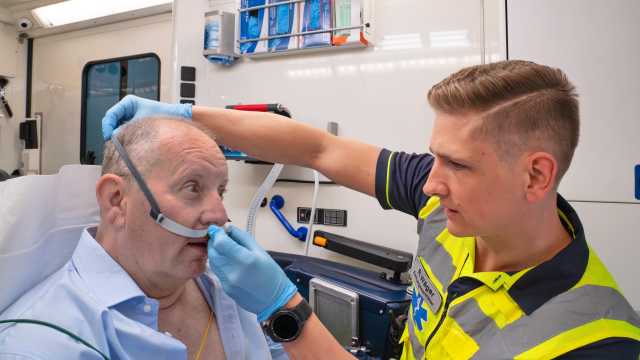
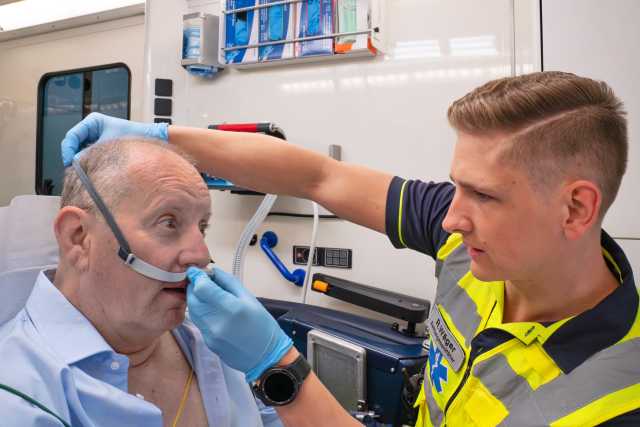
O2 on cue. A critical first step in prehospital ventilation

For patients with hypoxemia or at risk of developing it, supplemental oxygen therapy is intended to maintain adequate tissue oxygenation (Except CPR and INTELLiVENT®-ASV®A​).

In the prehospital setting, prompt and accurate administration of oxygen therapy can be crucial for patient survival and optimal outcomes (Use active humidificationB​).

The benefits of O2 therapy in prehospital care

""

Where it matters most. Clinical applications in prehospital care

  1. Acute coronary syndromes: Administer oxygen to patients with acute myocardial infarction and cardiac chest pain to maintain oxygen saturation and support myocardial function (Branson RD, Johannigman JA. Pre-hospital oxygen therapy. Respir Care. 2013;58(1):86-97. doi:10.4187/respcare.022511​)​.
  2. Neurological emergencies (coma, seizures, head injury, stroke, etc.): Monitor oxygen saturation closely and provide supplemental oxygen to maintain levels within the recommended range, avoiding hypoxia that may may worsen neurological injury​ (Branson RD, Johannigman JA. Pre-hospital oxygen therapy. Respir Care. 2013;58(1):86-97. doi:10.4187/respcare.022511​).
  3. Traumatic injuries: Ensure adequate oxygenation in trauma patients to prevent secondary hypoxic injury, particularly in the case of head trauma or significant blood loss​​ (Branson RD, Johannigman JA. Pre-hospital oxygen therapy. Respir Care. 2013;58(1):86-97. doi:10.4187/respcare.022511​).
  4. Respiratory distress: Use oxygen therapy for conditions like asthma exacerbation, chronic obstructive pulmonary disease (COPD) flare-ups, and acute pulmonary edema, tailoring delivery methods to suit the patient's condition and oxygenation status (Branson RD, Johannigman JA. Pre-hospital oxygen therapy. Respir Care. 2013;58(1):86-97. doi:10.4187/respcare.022511​, Bentsen LP, Lassen AT, Titlestad IL, Brabrand M. A change from high-flow to titrated oxygen therapy in the prehospital setting is associated with lower mortality in COPD patients with acute exacerbations: an observational cohort study. Acute Med. 2020;19(2):76-82. 3​).
  5. Carbon monoxide poisoning: Delivering high concentrations of oxygen to patients with carbon monoxide poisoning is one condition where hyperoxemia is desirable. The half-life of carboxyhemoglobin is 4 to 5 hours breathing room air. Breathing 100% oxygen reduces this to 40 minutes (Branson RD, Johannigman JA. Pre-hospital oxygen therapy. Respir Care. 2013;58(1):86-97. doi:10.4187/respcare.022511​).


Availability

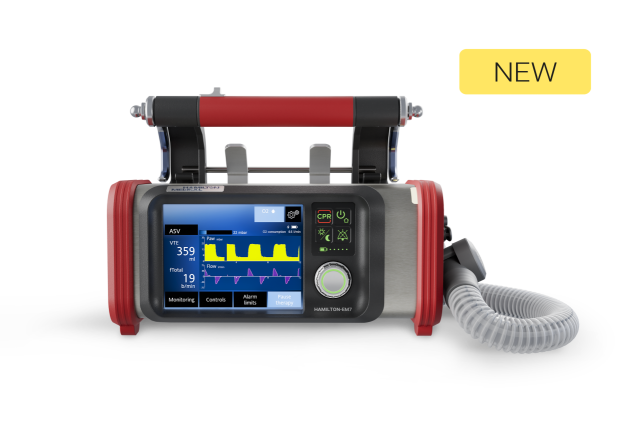
O2 therapy is available as an optional therapy mode on the HAMILTON-EM7.

Notas al pie

  • A. Excepto RCP e INTELLiVENT®-ASV®

Referencias