
Session expired

Due to inactivity your session has expired. Please login again.

Hemos detectado que visita nuestro sitio web desde Estados Unidos.
Disponemos de una versión específica del sitio web para su país (Estados Unidos).

Cambiar a Estados Unidos
 Productos

HAMILTON-C1.

Pequeño en dimensiones, grande en prestaciones

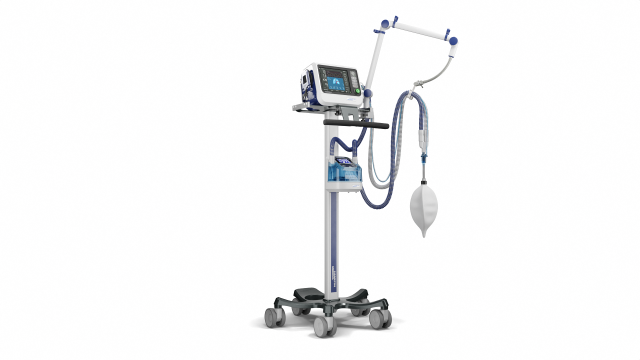
HAMILTON-C1

Nuestro equipo más polivalente. A su servicio dondequiera que lo necesite
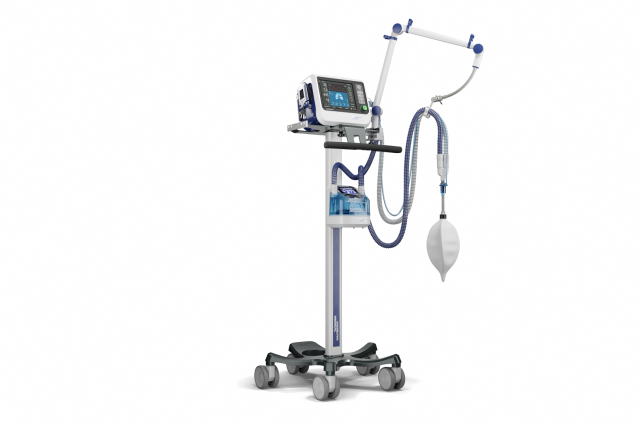
  • UCI/UCI pediátrica/UCI neonatal
  • Sala de urgencias
  • Unidad de cuidados intermedios
  • Cuidados intensivos de larga duración
  • Traslados intrahospitalarios
HAMILTON-C1
HAMILTON-C1

Nuestro equipo más polivalente. A su servicio dondequiera que lo necesite
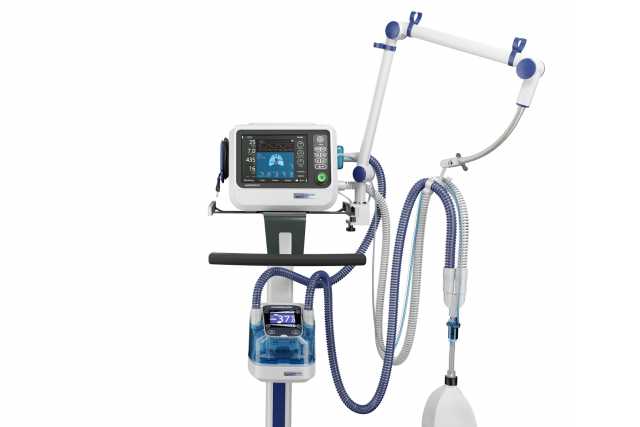
  • UCI/UCI pediátrica/UCI neonatal
  • Sala de urgencias
  • Unidad de cuidados intermedios
  • Cuidados intensivos de larga duración
  • Traslado intrahospitalario
HAMILTON-C1

Ventilación con asistencia mínima y máxima. Usted elige la terapia de ventilación

  • Terapia de cánulas nasales de flujo alto
  • Ventilación no invasiva
  • Modos de ventilación controlada por volumen y por presión
  • Ventilación adaptable con ASV® e INTELLiVENT®-ASV
HAMILTON-C1

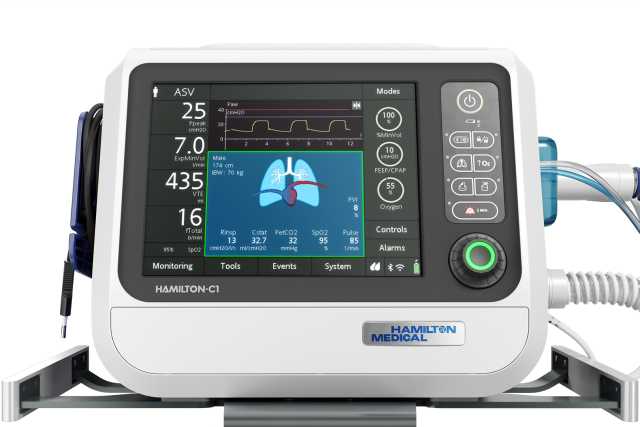
Más de 1000 palabras. Visualización del estado pulmonar

El panel Pulm. dinámico muestra la compliance pulmonar, la resistencia de las vías aéreas y la activación por parte del paciente de manera sincronizada con las respiraciones reales.
HAMILTON-C1

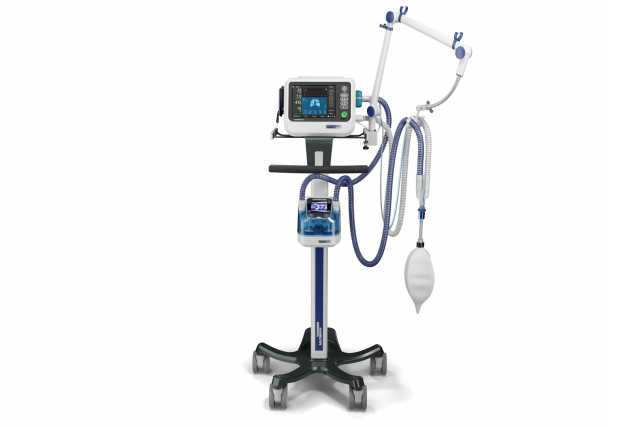
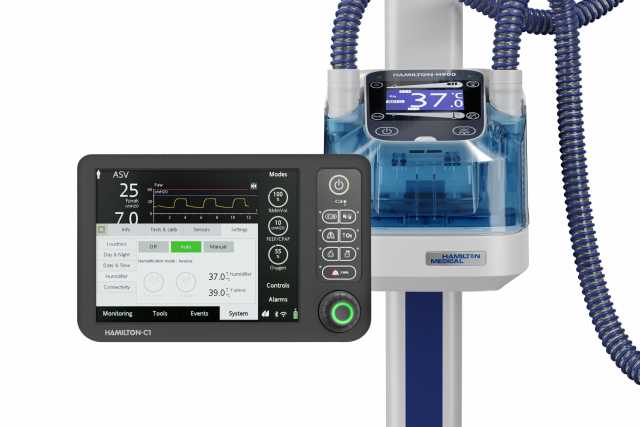
Estado y controles del humidificador. En la pantalla del respirador

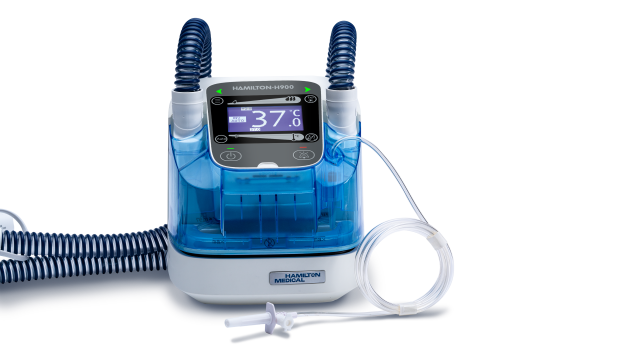
Maneje cómodamente el humidificador HAMILTON-H900 directamente desde la pantalla del respirador. El HAMILTON-H900 se sincroniza con el respirador y selecciona automáticamente el modo de humidificación en función del modo de ventilación.
HAMILTON-C1

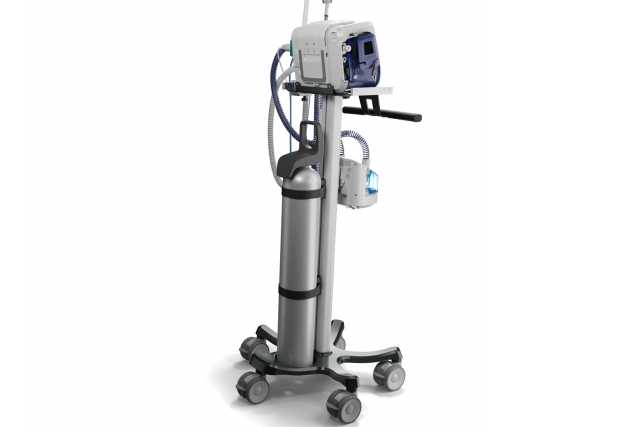
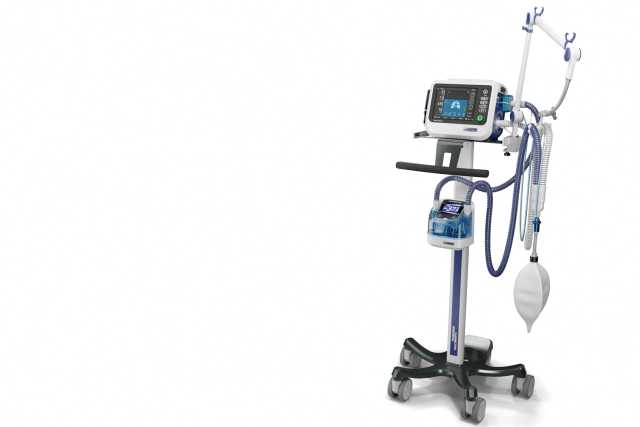
Extraordinariamente independiente. No requiere aire comprimido y funciona con batería

  • Turbina de alto rendimiento
  • Tiempo de funcionamiento con batería de cuatro horas
  • Soporte de bombona de oxígeno
HAMILTON-C1
HAMILTON-C1
Paciente hablando al teléfono con la opción de válvula para hablar.

¡Hablemos! Dé voz a sus pacientes

La opción de válvula para hablar da voz a los pacientes traqueotomizados y les permite tragar incluso mientras reciben soporte respiratorio del respirador.

La gestión de alarmas, la activación y la monitorización del respirador se han ajustado para admitir las válvulas para hablar en los modos controlados por presión (PCV+, ESPONT, PSIMV+).
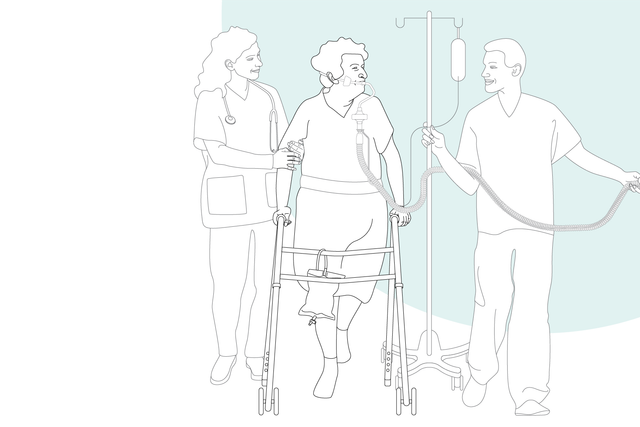
Ilustración gráfica: personal de enfermería ayudando a caminar a pacientes intubados

Cuanto antes, mejor. Movilización temprana

Con su turbina de alto rendimiento, funcionamiento con batería, tamaño compacto y modos de ventilación de vanguardia, el HAMILTON-C1 también acompaña a sus pacientes en sus primeros pasos de movilización.

¿Le gustaría saber más?
Explore el modelo 3D

Descubra el HAMILTON-C1 desde todos los ángulos y haga clic en los puntos de información para obtener más detalles.

Para información rápida

  • Estándar
  • Opcional
  • No disponible
Grupos de pacientes Adultos/pediátricos, neonatos
Dimensiones (ancho x largo x alto) 310 x 210 x 245 mm (unidad de ventilación)
630 x 630 x 1380 mm (carro incluido)
Peso 4,9 kg
16,9 kg con carro
Resolución y tamaño del monitor 8,4 pulgadas (214 mm), diagonal
640 x 480 píxeles
Monitor desmontable
Tiempo de funcionamiento de la batería 4 h con una batería
Batería intercambiable en funcionamiento
Suministro de aire Turbina integrada
Conector O2 DISS (CGA 1240) o NIST
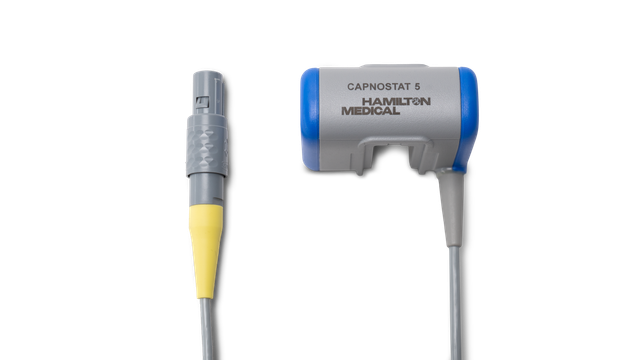
Conectividad CO2/llamada de enfermera/COM1, CO2/SpO2/COM1, CO2/SpO2/humidificador y COM1, puerto USB, puerto Ethernet RJ-45
Volumen 43 dB en funcionamiento normal
Control por flujo y por volumen
Volumen objetivo, control por presión adaptable
Pressure-controlled
Ventilación inteligente ASV®, INTELLiVENT®-ASV® (opcional)
Ventilación no invasiva
Flujo alto
Visualización de la mecánica pulmonar (Pulm. dinámico)
Visualización de la dependencia del respirador del paciente
Capnograma
Monitorización de SpO2
Lung stress and strain monitoring (Lung Impact panel)
Medición de la presión esofágica
Evaluación de reclutamiento y reclutamiento pulmonar (P/V Tool Pro)
Sincronización paciente-respirador (IntelliSync+)
Ventilación de RCP
Módulo Hamilton Connect
Suctioning tool
SpeakValve compatibility
On-screen help
O2 assist
Conexión remota al humidificador HAMILTON-H900
Controlador de la presión del manguito IntelliCuff integrado
Nebulizador neumático integrado
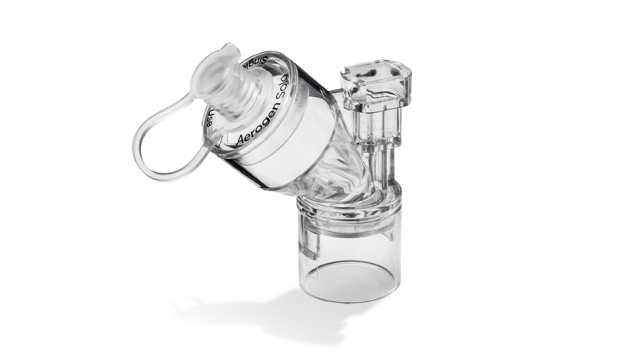
Nebulizador Aerogen integrado
Compatibilidad con el sistema de administración de anestésicos Sedaconda ACD-S
Ricky Williams

Testimonios de clientes

El hecho de que también podamos usar el HAMILTON-C1 para CPAP y durante el transporte resulta muy rentable para nuestras instalaciones y reduce la carga de trabajo del personal.

Ricky Williams

Fisioterapeuta respiratorio titulado, director del departamento de Asistencia Respiratoria
BridgePoint Continuing Care Hospital, National Harborside, Washington DC, EE. UU.

Para sus pacientes

Soluciones de ventilación inteligente de un vistazo

ASV®: Adaptive Support Ventilation®. Para la adaptación constante del suministro

El modo de ventilación ASV ajusta de forma continua la frecuencia respiratoria, el volumen tidal y el tiempo inspiratorio respiración a respiración en función de la mecánica pulmonar y los esfuerzos del paciente las 24 horas del día, desde la intubación hasta la extubación.

O2 assist. Para la gestión del oxígeno

O2 assist es una tecnología avanzada de gestión del oxígeno diseñada para convertirse en su asistente de cuidados de precisión a pie de cama. Al ajustar continuamente el suministro de oxígeno, mantiene los niveles de SpO2 del paciente dentro de los intervalos objetivo definidos individualmente. Esto reduce el uso de los pulsadores (Roca O, Caritg O, Santafé M, et al. Closed-loop oxygen control improves oxygen therapy in acute hypoxemic respiratory failure patients under high flow nasal oxygen: a randomized cross-over study (the HILOOP study). Crit Care. 2022;26(1):108. Published 2022 Apr 14. doi:10.1186/s13054-022-03970-w105Atakul G, Ceylan G, Sandal O, et al. Closed-loop oxygen usage during invasive mechanical ventilation of pediatric patients (CLOUDIMPP): a randomized controlled cross-over study. Front Med (Lausanne). 2024;11:1426969. Published 2024 Sep 10. doi:10.3389/fmed.2024.1426969106) y ayuda a mitigar el riesgo de hiperoxemia e hipoxemia para los pacientes (Sandal O, Ceylan G, Topal S, et al. Closed-loop oxygen control improves oxygenation in pediatric patients under high-flow nasal oxygen-A randomized crossover study. Front Med (Lausanne). 2022;9:1046902. Published 2022 Nov 16. doi:10.3389/fmed.2022.1046902107, Trottier M, Bouchard PA, L'Her E, Lellouche F. Automated Oxygen Titration During CPAP and Noninvasive Ventilation in Healthy Subjects With Induced Hypoxemia. Respir Care. 2023;68(11):1553-1560. doi:10.4187/respcare.09866108).

Acceso remoto al humidificador. Para su comodidad

La exclusiva opción de conectividad del respirador le permite utilizar el humidificador HAMILTON-H900 (El HAMILTON-H900 no está aprobado para su uso durante traslados.e) directamente desde la pantalla del respirador. Puede acceder a todos los controles, parámetros de monitorización y alarmas, y ajustarlos según sea necesario.

El humidificador también puede elegir automáticamente el modo de humidificación (invasiva, no invasiva o de flujo alto) en función del modo de ventilación seleccionado.

Ventilación no invasiva de alto rendimiento. Para los que llevan mascarilla

Los modos de ventilación no invasiva ofrecen respiraciones espontáneas con ciclos de flujo y presión de soporte (modos NIV y NIV-ST) y respiraciones obligatorias cicladas por tiempo y controladas por presión (NIV-ST).

En comparación con los respiradores que utilizan aire comprimido, nuestros respiradores accionados por turbina son capaces de proporcionar flujos máximos elevados, lo que garantiza un rendimiento óptimo incluso con fugas importantes.

Terapia de cánulas nasales de flujo alto. Para fanáticos del O2

La terapia de cánulas nasales de flujo alto (También conocida como terapia con flujo alto de oxígeno. Esta terminología se puede usar indistintamente junto con terapia de cánulas nasales de flujo alto.f) está disponible de forma opcional en todos nuestros respiradores. Con solo unos pasos, podrá cambiar la interfaz y usar el mismo dispositivo y circuito respiratorio para adaptarse a las necesidades terapéuticas del paciente.

También está disponible en nuestro dispositivo independiente para terapia con flujo alto de oxígeno, el HAMILTON‑HF90 (No disponible en todos los mercadosa).

IntelliSync®+. Para la sincronización entre paciente y respirador

Gracias al continuo análisis de las formas de onda cientos de veces por segundo, IntelliSync+ permite detectar los esfuerzos del paciente y realiza ciclos inmediatamente para iniciar la inspiración y la espiración en tiempo real.

IntelliSync+ se aplica a la ventilación invasiva y no invasiva con independencia del modo de ventilación.

Válvula para hablar. Para parlanchines

La opción de válvula para hablar da voz a los pacientes traqueotomizados y les permite tragar incluso mientras reciben soporte respiratorio.

La gestión de alarmas, la activación y la monitorización del respirador se han ajustado para admitir las válvulas para hablar en los modos controlados por presión (PCV+, ESPONT, PSIMV+).

Modos nCPAP. Para los más pequeños

En el modo nCPAP, el paciente recibe asistencia mediante una presión positiva continua en la vía aérea. En nuestros dispositivos controlados por flujo, el valor de CPAP deseado se define mediante el flujo de gas respiratorio. Para compensar cualquier fuga que se produzca, por ejemplo, a través de la boca o la nariz, puede activar la función LeakAssist. A continuación, podrá asociar una presión predefinida a un flujo de gas respiratorio adicional.

INTELLiVENT®-ASV. Para la asistencia a pie de cama

El modo de ventilación inteligente INTELLiVENT-ASV controla continuamente la ventilación y la oxigenación del paciente.

Define la ventilación por minuto, así como los valores de PEEP y de oxigenación en función de los objetivos fijados por el médico y los datos fisiológicos del paciente.

Nebulizador integrado. Para tratamientos adicionales

El nebulizador neumático integrado está totalmente sincronizado con los tiempos de inspiración y espiración.

Un nebulizador Aerogen integrado y sincronizado está disponible opcionalmente (No disponible en todos los mercadosa, Solo disponible para HAMILTON-C6/G5/S1b).

El suministro de una ligera nube de partículas medicamentosas en aerosol le ayuda a revertir el broncoespasmo, mejorar la eficiencia de la ventilación y reducir la hipercapnia (Dhand R. New frontiers in aerosol delivery during mechanical ventilation. Respir Care. 2004;49(6):666-677. 100, Waldrep JC, Dhand R. Advanced nebulizer designs employing vibrating mesh/aperture plate technologies for aerosol generation. Curr Drug Deliv. 2008;5(2):114-119. doi:10.2174/156720108783954815101).

Ventilación de RCP. Para personas que salvan vidas

La ventilación RCP adapta la configuración del respirador durante la reanimación. Permite el funcionamiento de RCP con acceso rápido a los ajustes preconfigurables, ajuste adecuado de alarma y disparo, y visualización del temporizador de RCP.

Los principales parámetros y curvas de monitorización relevantes para la ventilación de RCP también se muestran.

Capnografía volumétrica. Para CO2ntrol Freaks

La medición del flujo proximal y del CO2 permite a nuestros respiradores realizar novedosas capnografías volumétricas, lo cual es fundamental para la valoración de la calidad de la ventilación y la actividad metabólica.

Panel Estado ventil. Para aquellos listos para el destete

En el panel Estado ventil., aparecen seis parámetros relacionados con la dependencia del paciente del respirador, incluidas la oxigenación, la eliminación de CO2 y la actividad del paciente.

Un indicador flotante se mueve hacia arriba y hacia abajo en cada columna para mostrar el valor actual de un parámetro determinado.

Destete rápido. Para los independientes

La función Destete ráp. está integrada en el modo INTELLiVENT-ASV, y proporciona monitorización y control del estado del paciente de manera dinámica y continua para evaluar si el paciente está preparado para la extubación.

Panel Pulm. dinámico. Para personas con perspectiva visual

El panel Pulm. dinámico muestra una representación gráfica en tiempo real de los siguientes datos de monitorización importantes:

  • Compliance y resistencia
  • Activación por parte del paciente
  • SpO2
  • Frecuencia de pulso

Bucles y tendencias configurables. Para estadísticos

El respirador puede mostrar un bucle dinámico en función de una combinación seleccionada de parámetros monitorizados. Con la función Tendencias, puede ver la información de tendencias que se muestra para los parámetros de monitorización durante el tiempo que usted seleccione. 

El dispositivo almacena continuamente los parámetros monitorizados en su memoria, incluso cuando está en Standby.

Pulsioximetría. Para entusiastas de la SpO2

La opción SpO2 ofrece una medición de SpO2 no invasiva integrada y muestra los datos en el respirador para que pueda analizarlos cómodamente.

También ofrecemos una completa gama de sensores de SpO2.

Para usted

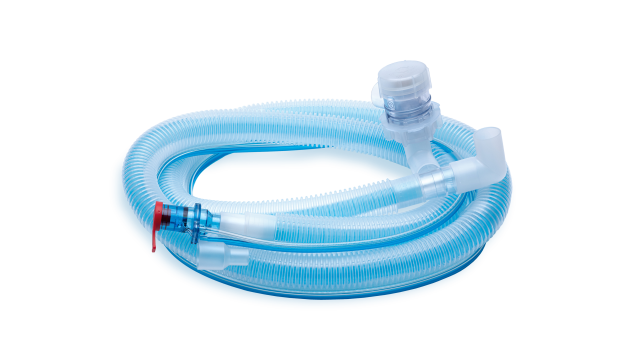
Equipo respiratorio coaxial

Premontado. Listo para usar

Nuestros equipos respiratorios premontados incluyen el material fungible esencial para utilizar el respirador, cómodamente empaquetado en una única bolsa.

Todo nuestro material fungible esencial se ha desarrollado especialmente para los respiradores de Hamilton Medical con garantía de calidad del fabricante.

Automatización; una mano girando un pulsador en el sentido de las agujas del reloj

Menos pulsadores que girar. Más adaptaciones para los pacientes

Para gestionar la ventilación, suele ser necesario configurar diversos parámetros, como la presión, el volumen, el disparo espiratorio e inspiratorio y la presión de manguito, entre muchos otros. Cada vez que cambia el estado del paciente, hay que realizar uno o incluso varios reajustes.

Para simplificar este proceso y reducir el uso de los pulsadores, hemos creado toda una gama de soluciones:

La ventilación asistida adaptable (ASV) es un modo de ventilación que adapta de forma continua la frecuencia respiratoria, el volumen tidal y el tiempo inspiratorio en función de la mecánica pulmonar y el esfuerzo del paciente. Se ha demostrado que ASV reduce la duración de la ventilación mecánica en varias poblaciones de pacientes con menos ajustes manuales (Kirakli C, Naz I, Ediboglu O, Tatar D, Budak A, Tellioglu E. A randomized controlled trial comparing the ventilation duration between adaptive support ventilation and pressure assist/control ventilation in medical patients in the ICU. Chest. 2015;147(6):1503-1509. doi:10.1378/chest.14-25991, Tam MK, Wong WT, Gomersall CD, et al. A randomized controlled trial of 2 protocols for weaning cardiac surgical patients receiving adaptive support ventilation. J Crit Care. 2016;33:163-168. doi:10.1016/j.jcrc.2016.01.0182, Zhu F, Gomersall CD, Ng SK, Underwood MJ, Lee A. A randomized controlled trial of adaptive support ventilation mode to wean patients after fast-track cardiac valvular surgery. Anesthesiology. 2015;122(4):832-840. doi:10.1097/ALN.00000000000005893).

Nuestro modo de ventilación inteligente INTELLiVENT-ASV le permitirá olvidarse prácticamente de girar los pulsadores y limitarse a supervisar los datos, reduce el número de interacciones manuales con el respirador (Beijers AJ, Roos AN, Bindels AJ. Fully automated closed-loop ventilation is safe and effective in post-cardiac surgery patients. Intensive Care Med. 2014;40(5):752-753. doi:10.1007/s00134-014-3234-74, Bialais E, Wittebole X, Vignaux L, et al. Closed-loop ventilation mode (IntelliVent®-ASV) in intensive care unit: a randomized trial. Minerva Anestesiol. 2016;82(6):657-668. 5, Fot EV, Izotova NN, Yudina AS, Smetkin AA, Kuzkov VV, Kirov MY. Automated Weaning from Mechanical Ventilation after Off-Pump Coronary Artery Bypass Grafting. Front Med (Lausanne). 2017;4:31. Published 2017 Mar 21. doi:10.3389/fmed.2017.000316), y garantiza una ventilación con protección pulmonar individualizada a sus pacientes (Bialais E, Wittebole X, Vignaux L, et al. Closed-loop ventilation mode (IntelliVent®-ASV) in intensive care unit: a randomized trial. Minerva Anestesiol. 2016;82(6):657-668. 5, Fot EV, Izotova NN, Yudina AS, Smetkin AA, Kuzkov VV, Kirov MY. Automated Weaning from Mechanical Ventilation after Off-Pump Coronary Artery Bypass Grafting. Front Med (Lausanne). 2017;4:31. Published 2017 Mar 21. doi:10.3389/fmed.2017.000316, Arnal JM, Saoli M, Garnero A. Airway and transpulmonary driving pressures and mechanical powers selected by INTELLiVENT-ASV in passive, mechanically ventilated ICU patients. Heart Lung. 2020;49(4):427-434. doi:10.1016/j.hrtlng.2019.11.0017), desde la intubación hasta la extubación.

Las soluciones convencionales para la gestión de la presión del manguito requieren que monitorice y ajuste la presión del manguito a mano.

IntelliCuff garantiza el control de la vía aérea del paciente (Chenelle CT, Oto J, Sulemanji D, Fisher DF, Kacmarek RM. Evaluation of an automated endotracheal tube cuff controller during simulated mechanical ventilation. Respir Care. 2015;60(2):183-190. doi:10.4187/respcare.033878) mediante la medición continua y el mantenimiento automático de la presión del manguito establecida para pacientes adultos, pediátricos y neonatos.

O2 assist es una tecnología avanzada de gestión del oxígeno diseñada para convertirse en su asistente de cuidados de precisión a pie de cama. Al ajustar continuamente el suministro de oxígeno, mantiene los niveles de SpO2 del paciente dentro de los intervalos objetivo definidos individualmente. Esto reduce el uso de los pulsadores (Roca O, Caritg O, Santafé M, et al. Closed-loop oxygen control improves oxygen therapy in acute hypoxemic respiratory failure patients under high flow nasal oxygen: a randomized cross-over study (the HILOOP study). Crit Care. 2022;26(1):108. Published 2022 Apr 14. doi:10.1186/s13054-022-03970-w105Atakul G, Ceylan G, Sandal O, et al. Closed-loop oxygen usage during invasive mechanical ventilation of pediatric patients (CLOUDIMPP): a randomized controlled cross-over study. Front Med (Lausanne). 2024;11:1426969. Published 2024 Sep 10. doi:10.3389/fmed.2024.1426969106) y ayuda a mitigar el riesgo de hiperoxemia e hipoxemia para los pacientes (Sandal O, Ceylan G, Topal S, et al. Closed-loop oxygen control improves oxygenation in pediatric patients under high-flow nasal oxygen-A randomized crossover study. Front Med (Lausanne). 2022;9:1046902. Published 2022 Nov 16. doi:10.3389/fmed.2022.1046902107, Trottier M, Bouchard PA, L'Her E, Lellouche F. Automated Oxygen Titration During CPAP and Noninvasive Ventilation in Healthy Subjects With Induced Hypoxemia. Respir Care. 2023;68(11):1553-1560. doi:10.4187/respcare.09866108).

Profesional interactuando con la pantalla táctil

La asistencia está en camino. Ayuda en pantalla para solución de problemas

Siempre que hay un problema, el respirador le alerta con la señal luminosa de alarma, la señal acústica y la barra de mensajes.

La ayuda en pantalla le ofrece sugerencias sobre cómo resolver la alarma.

Paciente en silla de ruedas con respirador

Adiós al respirador. Herramientas para implementar protocolos de retirada

Queremos que nuestros respiradores estén el menor tiempo posible conectados a sus pacientes. Por eso le proporcionamos herramientas que le ayudarán a implementar su protocolo de retirada.

Estas incluyen ayudas visuales y modos de ventilación diseñados para estimular la respiración espontánea.

Profesionales mirando la formación en línea de Hamilton Medical

¡Cójale el truco! Rutas de aprendizaje y contenido educativo

Nuestra Academy en línea le ofrece rutas de aprendizaje fáciles de seguir para familiarizarse con las tecnologías y los productos de Hamilton Medical lo antes posible.

Gail Spencer

Testimonios de clientes

ASV no solo ayuda en el destete de los pacientes, sino que también reduce la cantidad de ajustes manuales, por lo que puedo dedicar más tiempo a estar con ellos.

Gail Spencer

Fisioterapeuta respiratorio titulado, terapeuta respiratorio sénior
BridgePoint Continuing Care Hospital, National Harborside, Washington DC, EE.E UU.

Para el futuro

Ilustración de una brújula que apunta hacia el futuro

Evolución constante. Ampliamos las capacidades de su respirador

Trabajamos continuamente para seguir desarrollando nuestros productos. Añadimos nuevas funciones y mejoramos las características actuales para garantizar que siempre tenga acceso a la última tecnología en ventilación a lo largo de toda la vida útil de sus respiradores.

Cómo mantenemos al día su respirador
Familia de respiradores Hamilton Familia de respiradores Hamilton

Conozca una y las conocerá todas. Interfaz de usuario universal

No importa si se utilizan en la UCI, la sala de RM o durante los traslados, todos los respiradores de Hamilton Medical funcionan de la misma forma.

Nuestro Ventilation Cockpit (cuadro de control de la ventilación) integra datos completos en visualizaciones intuitivas.

Para la solución completa

Accesorios totalmente integrados

Desarrollamos nuestros accesorios para que pueda brindar la máxima seguridad posible a los pacientes teniendo en mente en todo momento la facilidad de uso. En la medida de lo posible, los integramos en nuestros respiradores para simplificar el funcionamiento de todo el sistema del respirador.

Nuestro material fungible

Todos los productos originales de Hamilton Medical están diseñados para ofrecer un rendimiento óptimo con los respiradores de Hamilton Medical. Para garantizar la mayor satisfacción del usuario y la seguridad del paciente, nos esforzamos por cumplir las normas de seguridad y calidad más exigentes.
Foto de un empleado

Hable con nuestros expertos. Hablemos de sus necesidades

Nuestro equipo de expertos en ventilación estará encantado de ayudarle a elegir el ventilador perfecto para su entorno clínico y ayudarle a alcanzar sus objetivos terapéuticos. Solicite un presupuesto personalizado o una llamada para obtener más información.

Referencias

  1. 1. Kirakli C, Naz I, Ediboglu O, Tatar D, Budak A, Tellioglu E. A randomized controlled trial comparing the ventilation duration between adaptive support ventilation and pressure assist/control ventilation in medical patients in the ICU. Chest. 2015;147(6):1503-1509. doi:10.1378/chest.14-2599
  2. 2. Tam MK, Wong WT, Gomersall CD, et al. A randomized controlled trial of 2 protocols for weaning cardiac surgical patients receiving adaptive support ventilation. J Crit Care. 2016;33:163-168. doi:10.1016/j.jcrc.2016.01.018
  3. 3. Zhu F, Gomersall CD, Ng SK, Underwood MJ, Lee A. A randomized controlled trial of adaptive support ventilation mode to wean patients after fast-track cardiac valvular surgery. Anesthesiology. 2015;122(4):832-840. doi:10.1097/ALN.0000000000000589
  4. 4. Beijers AJ, Roos AN, Bindels AJ. Fully automated closed-loop ventilation is safe and effective in post-cardiac surgery patients. Intensive Care Med. 2014;40(5):752-753. doi:10.1007/s00134-014-3234-7
  5. 5. Bialais E, Wittebole X, Vignaux L, et al. Closed-loop ventilation mode (IntelliVent®-ASV) in intensive care unit: a randomized trial. Minerva Anestesiol. 2016;82(6):657-668.
  6. 6. Fot EV, Izotova NN, Yudina AS, Smetkin AA, Kuzkov VV, Kirov MY. Automated Weaning from Mechanical Ventilation after Off-Pump Coronary Artery Bypass Grafting. Front Med (Lausanne). 2017;4:31. Published 2017 Mar 21. doi:10.3389/fmed.2017.00031
  7. 7. Arnal JM, Saoli M, Garnero A. Airway and transpulmonary driving pressures and mechanical powers selected by INTELLiVENT-ASV in passive, mechanically ventilated ICU patients. Heart Lung. 2020;49(4):427-434. doi:10.1016/j.hrtlng.2019.11.001


  1. 8. Chenelle CT, Oto J, Sulemanji D, Fisher DF, Kacmarek RM. Evaluation of an automated endotracheal tube cuff controller during simulated mechanical ventilation. Respir Care. 2015;60(2):183-190. doi:10.4187/respcare.03387
  2. 100. Dhand R. New frontiers in aerosol delivery during mechanical ventilation. Respir Care. 2004;49(6):666-677.
  3. 101. Waldrep JC, Dhand R. Advanced nebulizer designs employing vibrating mesh/aperture plate technologies for aerosol generation. Curr Drug Deliv. 2008;5(2):114-119. doi:10.2174/156720108783954815
  4. 105. Roca O, Caritg O, Santafé M, et al. Closed-loop oxygen control improves oxygen therapy in acute hypoxemic respiratory failure patients under high flow nasal oxygen: a randomized cross-over study (the HILOOP study). Crit Care. 2022;26(1):108. Published 2022 Apr 14. doi:10.1186/s13054-022-03970-w
  5. 106. Atakul G, Ceylan G, Sandal O, et al. Closed-loop oxygen usage during invasive mechanical ventilation of pediatric patients (CLOUDIMPP): a randomized controlled cross-over study. Front Med (Lausanne). 2024;11:1426969. Published 2024 Sep 10. doi:10.3389/fmed.2024.1426969
  6. 107. Sandal O, Ceylan G, Topal S, et al. Closed-loop oxygen control improves oxygenation in pediatric patients under high-flow nasal oxygen-A randomized crossover study. Front Med (Lausanne). 2022;9:1046902. Published 2022 Nov 16. doi:10.3389/fmed.2022.1046902
  7. 108. Trottier M, Bouchard PA, L'Her E, Lellouche F. Automated Oxygen Titration During CPAP and Noninvasive Ventilation in Healthy Subjects With Induced Hypoxemia. Respir Care. 2023;68(11):1553-1560. doi:10.4187/respcare.09866

Notas al pie

  • a. No disponible en todos los mercados
  • b. Disponible solo para HAMILTON-C6/G5/S1


  • e. El HAMILTON-H900 no está aprobado para su uso durante traslados.
  • f. También conocida como terapia con flujo alto de oxígeno. Esta terminología se puede usar indistintamente junto con terapia de cánulas nasales de flujo alto.

A randomized controlled trial comparing the ventilation duration between adaptive support ventilation and pressure assist/control ventilation in medical patients in the ICU.

Kirakli C, Naz I, Ediboglu O, Tatar D, Budak A, Tellioglu E. A randomized controlled trial comparing the ventilation duration between adaptive support ventilation and pressure assist/control ventilation in medical patients in the ICU. Chest. 2015;147(6):1503-1509. doi:10.1378/chest.14-2599

BACKGROUND Adaptive support ventilation (ASV) is a closed loop mode of mechanical ventilation (MV) that provides a target minute ventilation by automatically adapting inspiratory pressure and respiratory rate with the minimum work of breathing on the part of the patient. The aim of this study was to determine the effect of ASV on total MV duration when compared with pressure assist/control ventilation. METHODS Adult medical patients intubated and mechanically ventilated for > 24 h in a medical ICU were randomized to either ASV or pressure assist/control ventilation. Sedation and medical treatment were standardized for each group. Primary outcome was the total MV duration. Secondary outcomes were the weaning duration, number of manual settings of the ventilator, and weaning success rates. RESULTS Two hundred twenty-nine patients were included. Median MV duration until weaning, weaning duration, and total MV duration were significantly shorter in the ASV group (67 [43-94] h vs 92 [61-165] h, P = .003; 2 [2-2] h vs 2 [2-80] h, P = .001; and 4 [2-6] days vs 4 [3-9] days, P = .016, respectively). Patients in the ASV group required fewer total number of manual settings on the ventilator to reach the desired pH and Paco2 levels (2 [1-2] vs 3 [2-5], P < .001). The number of patients extubated successfully on the first attempt was significantly higher in the ASV group (P = .001). Weaning success and mortality at day 28 were comparable between the two groups. CONCLUSIONS In medical patients in the ICU, ASV may shorten the duration of weaning and total MV duration with a fewer number of manual ventilator settings. TRIAL REGISTRY ClinicalTrials.gov; No.: NCT01472302; URL: www.clinicaltrials.gov.

A randomized controlled trial of 2 protocols for weaning cardiac surgical patients receiving adaptive support ventilation.

Tam MK, Wong WT, Gomersall CD, et al. A randomized controlled trial of 2 protocols for weaning cardiac surgical patients receiving adaptive support ventilation. J Crit Care. 2016;33:163-168. doi:10.1016/j.jcrc.2016.01.018

PURPOSE This study aims to compare the effectiveness of weaning with adaptive support ventilation (ASV) incorporating progressively reduced or constant target minute ventilation in the protocol in postoperative care after cardiac surgery. MATERIAL AND METHODS A randomized controlled unblinded study of 52 patients after elective coronary artery bypass surgery was carried out to determine whether a protocol incorporating a decremental target minute ventilation (DTMV) results in more rapid weaning of patients ventilated in ASV mode compared to a protocol incorporating a constant target minute ventilation. RESULTS Median duration of mechanical ventilation (145 vs 309 minutes; P = .001) and intubation (225 vs 423 minutes; P = .005) were significantly shorter in the DTMV group. There was no difference in adverse effects (42% vs 46%) or mortality (0% vs 0%) between the 2 groups. CONCLUSIONS Use of a DTMV protocol for postoperative ventilation of cardiac surgical patients in ASV mode results in a shorter duration of ventilation and intubation without evidence of increased risk of adverse effects.

A randomized controlled trial of adaptive support ventilation mode to wean patients after fast-track cardiac valvular surgery.

Zhu F, Gomersall CD, Ng SK, Underwood MJ, Lee A. A randomized controlled trial of adaptive support ventilation mode to wean patients after fast-track cardiac valvular surgery. Anesthesiology. 2015;122(4):832-840. doi:10.1097/ALN.0000000000000589

BACKGROUND Adaptive support ventilation can speed weaning after coronary artery surgery compared with protocolized weaning using other modes. There are no data to support this mode of weaning after cardiac valvular surgery. Furthermore, control group weaning times have been long, suggesting that the results may reflect control group protocols that delay weaning rather than a real advantage of adaptive support ventilation. METHODS Randomized (computer-generated sequence and sealed opaque envelopes), parallel-arm, unblinded trial of adaptive support ventilation versus physician-directed weaning after adult fast-track cardiac valvular surgery. The primary outcome was duration of mechanical ventilation. Patients aged 18 to 80 yr without significant renal, liver, or lung disease or severe impairment of left ventricular function undergoing uncomplicated elective valve surgery were eligible. Care was standardized, except postoperative ventilation. In the adaptive support ventilation group, target minute ventilation and inspired oxygen concentration were adjusted according to blood gases. A spontaneous breathing trial was carried out when the total inspiratory pressure of 15 cm H2O or less with positive end-expiratory pressure of 5 cm H2O. In the control group, the duty physician made all ventilatory decisions. RESULTS Median duration of ventilation was statistically significantly shorter (P = 0.013) in the adaptive support ventilation group (205 [141 to 295] min, n = 30) than that in controls (342 [214 to 491] min, n = 31). Manual ventilator changes and alarms were less common in the adaptive support ventilation group, and arterial blood gas estimations were more common. CONCLUSION Adaptive support ventilation reduces ventilation time by more than 2 h in patients who have undergone fast-track cardiac valvular surgery while reducing the number of manual ventilator changes and alarms.

Fully automated closed-loop ventilation is safe and effective in post-cardiac surgery patients.

Beijers AJ, Roos AN, Bindels AJ. Fully automated closed-loop ventilation is safe and effective in post-cardiac surgery patients. Intensive Care Med. 2014;40(5):752-753. doi:10.1007/s00134-014-3234-7

Closed-loop ventilation mode (IntelliVent®-ASV) in intensive care unit: a randomized trial.

Bialais E, Wittebole X, Vignaux L, et al. Closed-loop ventilation mode (IntelliVent®-ASV) in intensive care unit: a randomized trial. Minerva Anestesiol. 2016;82(6):657-668.

BACKGROUND Closed-loop modes automatically adjust ventilation settings, delivering individualized ventilation over short periods of time. The objective of this randomized controlled trial was to compare safety, efficacy and workload for the health care team between IntelliVent®-ASV and conventional modes over a 48-hour period. METHODS ICU patients admitted with an expected duration of mechanical ventilation of more than 48 hours were randomized to IntelliVent®-ASV or conventional ventilation modes. All ventilation parameters were recorded breath-by-breath. The number of manual adjustments assesses workload for the healthcare team. Safety and efficacy were assessed by calculating the time spent within previously defined ranges of non-optimal and optimal ventilation, respectively. RESULTS Eighty patients were analyzed. The median values of ventilation parameters over 48 hours were similar in both groups except for PEEP (7[4] cmH2O versus 6[3] cmH2O with IntelliVent®-ASV and conventional ventilation, respectively, P=0.028) and PETCO2 (36±7 mmHg with IntelliVent®-ASV versus 40±8 mmHg with conventional ventilation, P=0.041). Safety was similar between IntelliVent®-ASV and conventional ventilation for all parameters except for PMAX, which was more often non-optimal with IntelliVent®-ASV (P=0.001). Efficacy was comparable between the 2 ventilation strategies, except for SpO2 and VT, which were more often optimal with IntelliVent®-ASV (P=0.005, P=0.016, respectively). IntelliVent®-ASV required less manual adjustments than conventional ventilation (P<0.001) for a higher total number of adjustments (P<0.001). The coefficient of variation over 48 hours was larger with IntelliVent®-ASV in regard of maximum pressure, inspiratory pressure (PINSP), and PEEP as compared to conventional ventilation. CONCLUSIONS IntelliVent®-ASV required less manual intervention and delivered more variable PEEP and PINSP, while delivering ventilation safe and effective ventilation in terms of VT, RR, SpO2 and PETCO2.

Automated Weaning from Mechanical Ventilation after Off-Pump Coronary Artery Bypass Grafting.

Fot EV, Izotova NN, Yudina AS, Smetkin AA, Kuzkov VV, Kirov MY. Automated Weaning from Mechanical Ventilation after Off-Pump Coronary Artery Bypass Grafting. Front Med (Lausanne). 2017;4:31. Published 2017 Mar 21. doi:10.3389/fmed.2017.00031

BACKGROUND The discontinuation of mechanical ventilation after coronary surgery may prolong and significantly increase the load on intensive care unit personnel. We hypothesized that automated mode using INTELLiVENT-ASV can decrease duration of postoperative mechanical ventilation, reduce workload on medical staff, and provide safe ventilation after off-pump coronary artery bypass grafting (OPCAB). The primary endpoint of our study was to assess the duration of postoperative mechanical ventilation during different modes of weaning from respiratory support (RS) after OPCAB. The secondary endpoint was to assess safety of the automated weaning mode and the number of manual interventions to the ventilator settings during the weaning process in comparison with the protocolized weaning mode. MATERIALS AND METHODS Forty adult patients undergoing elective OPCAB were enrolled into a prospective single-center study. Patients were randomized into two groups: automated weaning (n = 20) using INTELLiVENT-ASV mode with quick-wean option; and protocolized weaning (n = 20), using conventional synchronized intermittent mandatory ventilation (SIMV) + pressure support (PS) mode. We assessed the duration of postoperative ventilation, incidence and duration of unacceptable RS, and the load on medical staff. We also performed the retrospective analysis of 102 patients (standard weaning) who were weaned from ventilator with SIMV + PS mode based on physician's experience without prearranged algorithm. RESULTS AND DISCUSSION Realization of the automated weaning protocol required change in respiratory settings in 2 patients vs. 7 (5-9) adjustments per patient in the protocolized weaning group. Both incidence and duration of unacceptable RS were reduced significantly by means of the automated weaning approach. The FiO2 during spontaneous breathing trials was significantly lower in the automated weaning group: 30 (30-35) vs. 40 (40-45) % in the protocolized weaning group (p < 0.01). The average time until tracheal extubation did not differ in the automated weaning and the protocolized weaning groups: 193 (115-309) and 197 (158-253) min, respectively, but increased to 290 (210-411) min in the standard weaning group. CONCLUSION The automated weaning system after off-pump coronary surgery might provide postoperative ventilation in a more protective way, reduces the workload on medical staff, and does not prolong the duration of weaning from ventilator. The use of automated or protocolized weaning can reduce the duration of postoperative mechanical ventilation in comparison with non-protocolized weaning based on the physician's decision.

Airway and transpulmonary driving pressures and mechanical powers selected by INTELLiVENT-ASV in passive, mechanically ventilated ICU patients.

Arnal JM, Saoli M, Garnero A. Airway and transpulmonary driving pressures and mechanical powers selected by INTELLiVENT-ASV in passive, mechanically ventilated ICU patients. Heart Lung. 2020;49(4):427-434. doi:10.1016/j.hrtlng.2019.11.001

BACKGROUND Driving pressure (ΔP) and mechanical power (MP) are predictors of the risk of ventilation- induced lung injuries (VILI) in mechanically ventilated patients. INTELLiVENT-ASV® is a closed-loop ventilation mode that automatically adjusts respiratory rate and tidal volume, according to the patient's respiratory mechanics. OBJECTIVES This prospective observational study investigated ΔP and MP (and also transpulmonary ΔP (ΔPL) and MP (MPL) for a subgroup of patients) delivered by INTELLiVENT-ASV. METHODS Adult patients admitted to the ICU were included if they were sedated and met the criteria for a single lung condition (normal lungs, COPD, or ARDS). INTELLiVENT-ASV was used with default target settings. If PEEP was above 16 cmH2O, the recruitment strategy used transpulmonary pressure as a reference, and ΔPL and MPL were computed. Measurements were made once for each patient. RESULTS Of the 255 patients included, 98 patients were classified as normal-lungs, 28 as COPD, and 129 as ARDS patients. The median ΔP was 8 (7 - 10), 10 (8 - 12), and 9 (8 - 11) cmH2O for normal-lungs, COPD, and ARDS patients, respectively. The median MP was 9.1 (4.9 - 13.5), 11.8 (8.6 - 16.5), and 8.8 (5.6 - 13.8) J/min for normal-lungs, COPD, and ARDS patients, respectively. For the 19 patients managed with transpulmonary pressure ΔPL was 6 (4 - 7) cmH2O and MPL was 3.6 (3.1 - 4.4) J/min. CONCLUSIONS In this short term observation study, INTELLiVENT-ASV selected ΔP and MP considered in safe ranges for lung protection. In a subgroup of ARDS patients, the combination of a recruitment strategy and INTELLiVENT-ASV resulted in an apparently safe ΔPL and MPL.

Evaluation of an automated endotracheal tube cuff controller during simulated mechanical ventilation.

Chenelle CT, Oto J, Sulemanji D, Fisher DF, Kacmarek RM. Evaluation of an automated endotracheal tube cuff controller during simulated mechanical ventilation. Respir Care. 2015;60(2):183-190. doi:10.4187/respcare.03387

BACKGROUND Maintaining endotracheal tube cuff pressure within a narrow range is an important factor in patient care. The goal of this study was to evaluate the IntelliCuff against the manual technique for maintaining cuff pressure during simulated mechanical ventilation with and without movement. METHODS The IntelliCuff was compared to the manual technique of a manometer and syringe. Two independent studies were performed during mechanical ventilation: part 1, a 2-h trial incorporating continuous mannikin head movement; and part 2, an 8-h trial using a stationary trachea model. We set cuff pressure to 25 cm H2O, PEEP to 10 cm H2O, and peak inspiratory pressures to 20, 30, and 40 cm H2O. Clinical importance was defined as both statistically significant (P<.05) and clinically significant (pressure change [Δ]>10%). RESULTS In part 1, the change in cuff pressure from before to after ventilation was clinically important for the manual technique (P<.001, Δ=-39.6%) but not for the IntelliCuff (P=.02, Δ=3.5%). In part 2, the change in cuff pressure from before to after ventilation was clinically important for the manual technique (P=.004, Δ=-14.39%) but not for the IntelliCuff (P=.20, Δ=5.65%). CONCLUSIONS There was a clinically important drop in manually set cuff pressure during simulated mechanical ventilation in a stationary model and an even larger drop with movement, but this was significantly reduced by the IntelliCuff in both scenarios. Additionally, we observed that cuff pressure varied directly with inspiratory airway pressure for both techniques, leading to elevated average cuff pressures.

New frontiers in aerosol delivery during mechanical ventilation.

Dhand R. New frontiers in aerosol delivery during mechanical ventilation. Respir Care. 2004;49(6):666-677.

The scientific basis for inhalation therapy in mechanically-ventilated patients is now firmly established. A variety of new devices that deliver drugs to the lung with high efficiency could be employed for drug delivery during mechanical ventilation. Encapsulation of drugs within liposomes could increase the amount of drug delivered, prolong the effect of a dose, and minimize adverse effects. With improved inhalation devices and surfactant formulations, inhaled surfactant could be employed for several indications in mechanically-ventilated patients. Research is unraveling the causes of some disorders that have been poorly understood, and our improved understanding of the causal mechanisms of various respiratory disorders will provide new applications for inhaled therapies.

Advanced nebulizer designs employing vibrating mesh/aperture plate technologies for aerosol generation.

Waldrep JC, Dhand R. Advanced nebulizer designs employing vibrating mesh/aperture plate technologies for aerosol generation. Curr Drug Deliv. 2008;5(2):114-119. doi:10.2174/156720108783954815

Recent technological advances and improved nebulizer designs have overcome many limitations of jet nebulizers. Newer devices employ a vibrating mesh or aperture plate (VM/AP) for the generation of therapeutic aerosols with consistent, increased efficiency, predominant aerosol fine particle fractions, low residuals, and the ability to nebulize even microliter volumes. These enhancements are achieved through several different design features and include improvements that promote patient compliance, such as compact design, portability, shorter treatment durations, and quiet operation. Current VM/AP devices in clinical use are the Omron MicroAir, the Nektar Aeroneb, and the Pari eFlow. However, some devices are only approved for use with specific medications. Development of "smart nebulizers" such as the Respironics I-neb couple VM technologies with coordinated delivery and optimized inhalation patterns to enhance inhaled drug delivery of specialized, expensive formulations. Ongoing development of advanced aerosol technologies should improve clinical outcomes and continue to expand therapeutic options as newer inhaled drugs become available.

Closed-loop oxygen control improves oxygen therapy in acute hypoxemic respiratory failure patients under high flow nasal oxygen: a randomized cross-over study (the HILOOP study).

Roca O, Caritg O, Santafé M, et al. Closed-loop oxygen control improves oxygen therapy in acute hypoxemic respiratory failure patients under high flow nasal oxygen: a randomized cross-over study (the HILOOP study). Crit Care. 2022;26(1):108. Published 2022 Apr 14. doi:10.1186/s13054-022-03970-w

BACKGROUND We aimed to assess the efficacy of a closed-loop oxygen control in critically ill patients with moderate to severe acute hypoxemic respiratory failure (AHRF) treated with high flow nasal oxygen (HFNO). METHODS In this single-centre, single-blinded, randomized crossover study, adult patients with moderate to severe AHRF who were treated with HFNO (flow rate ≥ 40 L/min with FiO2 ≥ 0.30) were randomly assigned to start with a 4-h period of closed-loop oxygen control or 4-h period of manual oxygen titration, after which each patient was switched to the alternate therapy. The primary outcome was the percentage of time spent in the individualized optimal SpO2 range. RESULTS Forty-five patients were included. Patients spent more time in the optimal SpO2 range with closed-loop oxygen control compared with manual titrations of oxygen (96.5 [93.5 to 98.9] % vs. 89 [77.4 to 95.9] %; p < 0.0001) (difference estimate, 10.4 (95% confidence interval 5.2 to 17.2). Patients spent less time in the suboptimal range during closed-loop oxygen control, both above and below the cut-offs of the optimal SpO2 range, and less time above the suboptimal range. Fewer number of manual adjustments per hour were needed with closed-loop oxygen control. The number of events of SpO2 < 88% and < 85% were not significantly different between groups. CONCLUSIONS Closed-loop oxygen control improves oxygen administration in patients with moderate-to-severe AHRF treated with HFNO, increasing the percentage of time in the optimal oxygenation range and decreasing the workload of healthcare personnel. These results are especially relevant in a context of limited oxygen supply and high medical demand, such as the COVID-19 pandemic. Trial registration The HILOOP study was registered at www. CLINICALTRIALS gov under the identifier NCT04965844 .

Closed-loop oxygen usage during invasive mechanical ventilation of pediatric patients (CLOUDIMPP): a randomized controlled cross-over study.

Atakul G, Ceylan G, Sandal O, et al. Closed-loop oxygen usage during invasive mechanical ventilation of pediatric patients (CLOUDIMPP): a randomized controlled cross-over study. Front Med (Lausanne). 2024;11:1426969. Published 2024 Sep 10. doi:10.3389/fmed.2024.1426969

BACKGROUND The aim of this study is the evaluation of a closed-loop oxygen control system in pediatric patients undergoing invasive mechanical ventilation (IMV). METHODS Cross-over, multicenter, randomized, single-blind clinical trial. Patients between the ages of 1 month and 18 years who were undergoing IMV therapy for acute hypoxemic respiratory failure (AHRF) were assigned at random to either begin with a 2-hour period of closed-loop oxygen control or manual oxygen titrations. By using closed-loop oxygen control, the patients' SpO2 levels were maintained within a predetermined target range by the automated adjustment of the FiO2. During the manual oxygen titration phase of the trial, healthcare professionals at the bedside made manual changes to the FiO2, while maintaining the same target range for SpO2. Following either period, the patient transitioned to the alternative therapy. The outcomes were the percentage of time spent in predefined SpO2 ranges ±2% (primary), FiO2, total oxygen use, and the number of manual adjustments. FINDINGS The median age of included 33 patients was 17 (13-55.5) months. In contrast to manual oxygen titrations, patients spent a greater proportion of time within a predefined optimal SpO2 range when the closed-loop oxygen controller was enabled (95.7% [IQR 92.1-100%] vs. 65.6% [IQR 41.6-82.5%]), mean difference 33.4% [95%-CI 24.5-42%]; P < 0.001). Median FiO2 was lower (32.1% [IQR 23.9-54.1%] vs. 40.6% [IQR 31.1-62.8%]; P < 0.001) similar to total oxygen use (19.8 L/h [IQR 4.6-64.8] vs. 39.4 L/h [IQR 16.8-79]; P < 0.001); however, median SpO2/FiO2 was higher (329.4 [IQR 180-411.1] vs. 246.7 [IQR 151.1-320.5]; P < 0.001) with closed-loop oxygen control. With closed-loop oxygen control, the median number of manual adjustments reduced (0.0 [IQR 0.0-0.0] vs. 1 [IQR 0.0-2.2]; P < 0.001). CONCLUSION Closed-loop oxygen control enhances oxygen therapy in pediatric patients undergoing IMV for AHRF, potentially leading to more efficient utilization of oxygen. This technology also decreases the necessity for manual adjustments, which could reduce the workloads of healthcare providers. CLINICAL TRIAL REGISTRATION This research has been submitted to ClinicalTrials.gov (NCT05714527).

Closed-loop oxygen control improves oxygenation in pediatric patients under high-flow nasal oxygen-A randomized crossover study.

Sandal O, Ceylan G, Topal S, et al. Closed-loop oxygen control improves oxygenation in pediatric patients under high-flow nasal oxygen-A randomized crossover study. Front Med (Lausanne). 2022;9:1046902. Published 2022 Nov 16. doi:10.3389/fmed.2022.1046902

BACKGROUND We assessed the effect of a closed-loop oxygen control system in pediatric patients receiving high-flow nasal oxygen therapy (HFNO). METHODS A multicentre, single-blinded, randomized, and cross-over study. Patients aged between 1 month and 18 years of age receiving HFNO for acute hypoxemic respiratory failure (AHRF) were randomly assigned to start with a 2-h period of closed-loop oxygen control or a 2-h period of manual oxygen titrations, after which the patient switched to the alternative therapy. The endpoints were the percentage of time spent in predefined SpO2 ranges (primary), FiO2, SpO2/FiO2, and the number of manual adjustments. FINDINGS We included 23 patients, aged a median of 18 (3-26) months. Patients spent more time in a predefined optimal SpO2 range when the closed-loop oxygen controller was activated compared to manual oxygen titrations [91⋅3% (IQR 78⋅4-95⋅1%) vs. 63⋅0% (IQR 44⋅4-70⋅7%)], mean difference [28⋅2% (95%-CI 20⋅6-37⋅8%); P < 0.001]. Median FiO2 was lower [33⋅3% (IQR 26⋅6-44⋅6%) vs. 42⋅6% (IQR 33⋅6-49⋅9%); P = 0.07], but median SpO2/FiO2 was higher [289 (IQR 207-348) vs. 194 (IQR 98-317); P = 0.023] with closed-loop oxygen control. The median number of manual adjustments was lower with closed-loop oxygen control [0⋅0 (IQR 0⋅0-0⋅0) vs. 0⋅5 (IQR 0⋅0-1⋅0); P < 0.001]. CONCLUSION Closed-loop oxygen control improves oxygenation therapy in pediatric patients receiving HFNO for AHRF and potentially leads to more efficient oxygen use. It reduces the number of manual adjustments, which may translate into decreased workloads of healthcare providers. CLINICAL TRIAL REGISTRATION [www.ClinicalTrials.gov], identifier [NCT05032365].

Automated Oxygen Titration During CPAP and Noninvasive Ventilation in Healthy Subjects With Induced Hypoxemia.

Trottier M, Bouchard PA, L'Her E, Lellouche F. Automated Oxygen Titration During CPAP and Noninvasive Ventilation in Healthy Subjects With Induced Hypoxemia. Respir Care. 2023;68(11):1553-1560. doi:10.4187/respcare.09866

BACKGROUND Automated oxygen titration to maintain a stable SpO2 has been developed for spontaneously breathing patients but has not been evaluated during CPAP and noninvasive ventilation (NIV). METHODS We performed a randomized controlled crossover, double-blind study on 10 healthy subjects with induced hypoxemia during 3 situations: spontaneous breathing with oxygen support, CPAP (5 cm H2O), and NIV (7/3 cm H2O). We conducted in random order 3 dynamic hypoxic challenges of 5 min (FIO2 0.08 ± 0.02, 0.11± 0.02, and 0.14 ± 0.02). For each condition, we compared automated oxygen titration and manual oxygen titration by experienced respiratory therapists (RTs), with the aim to maintain the SpO2 at 94 ± 2%. In addition, we included 2 subjects hospitalized for exacerbation of COPD under NIV and a subject managed after bariatric surgery with CPAP and automated oxygen titration. RESULTS The percentage of time in the SpO2 target was higher with automated compared with manual oxygen titration for all conditions, on average 59.6 ± 22.8% compared to 44.3 ± 23.9% (P = .004). Hyperoxemia (SpO2 > 96%) was less frequent with automated titration for each mode of oxygen administration (24.0 ± 24.4% vs 39.1 ± 25.3%, P < .001). During the manual titration periods, the RT made several changes to oxygen flow (5.1 ± 3.3 interventions that lasted 122 ± 70 s/period) compared to none during the automated titration to maintain oxygenation in the targeted SpO2 . Time in the SpO2 target was higher with stable hospitalized subjects in comparison with healthy subjects under dynamic-induced hypoxemia. CONCLUSIONS In this proof-of-concept study, automated oxygen titration was used during CPAP and NIV. The performances to maintain the SpO2 target were significantly better compared to manual oxygen titration in the setting of this study protocol. This technology may allow decreasing the number of manual interventions for oxygen titration during CPAP and NIV.