
Footnotes
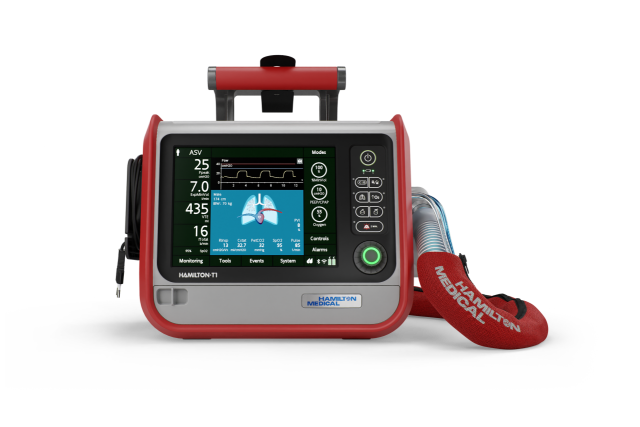
- A. Opcional para HAMILTON-T1



Os seus pacientes podem sair da UTI, mas as suas necessidades de ventilação continuam a ser complexas. Durante o transporte, pretende manter um nível elevado de tratamento respiratório e continuar a ter acesso completo a modos, monitorização e definições precisas — mesmo em ambientes desconhecidos ou em movimento.

O estado de um paciente pode deteriorar-se rapidamente durante o transporte. É necessário um respirador que responda com a mesma rapidez, fornecendo feedback claro, acesso rápido a alarmes e a capacidade de ajustar as definições de ventilação em segundos.
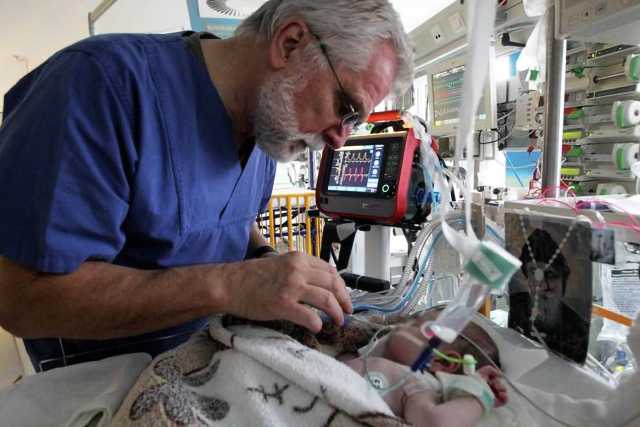
Usamos o HAMILTON-T1 para o transporte intra-hospitalar e transferências para outros hospitais. Isto assegura que o paciente recebe a mesma qualidade de ventilação durante o transporte como junto do leito.
Senior Physician Interdisciplinary Pediatric ICU
Centro de Pediatria e Medicina do Adolescente, Mainz, Alemanha

Na UTI, é possível recorrer a análises laboratoriais, gasometrias arteriais e imagiologia para orientar a estratégia de ventilação. Durante o transporte, muitas vezes não dispõe dessas ferramentas. Por isso, depende de formas onda em tempo real, tendências e visualizações intuitivas de dados para apoiar decisões clínicas em mobilidade.

Ambulâncias, helicópteros e aeronaves médicas combinam espaço limitado com muito movimento. O seu respirador tem de ser compacto, estável e capaz de funcionar sem fonte de energia fixa, mantendo-se firmemente no lugar em quaisquer condições.

A equipe pré-hospitalar da Hamilton Medical está empenhada em fornecer serviços abrangentes e suporte para ventilação mecânica durante o transporte em contextos pré-hospitalares.