Сноски
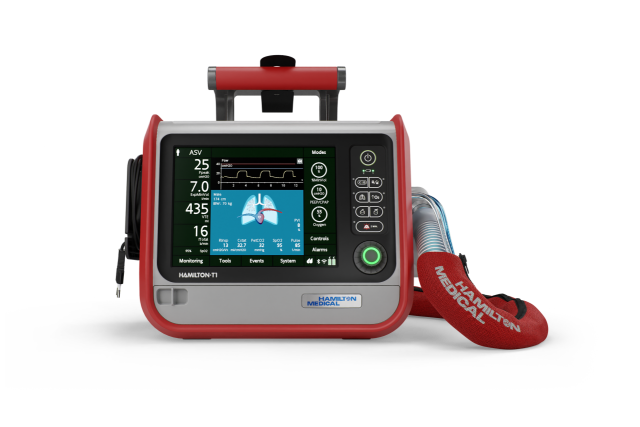
- A. Дополнительно для аппарата ИВЛ HAMILTON-T1



Покидая отделение интенсивной терапии, пациент по-прежнему нуждается в комплексной респираторной поддержке. При транспортировке крайне важно проводить респираторную терапию на высоком уровне и иметь полный доступ к режимам, мониторингу и настройкам точности – даже в движении или в непривычных условиях.

Состояние пациента во время транспортировки может мгновенно ухудшиться. Вам нужен аппарат ИВЛ, который быстро реагирует, а также предоставляет четкую обратную связь, оперативный доступ к тревогам и возможность откорректировать настройки вентиляции за считанные секунды.
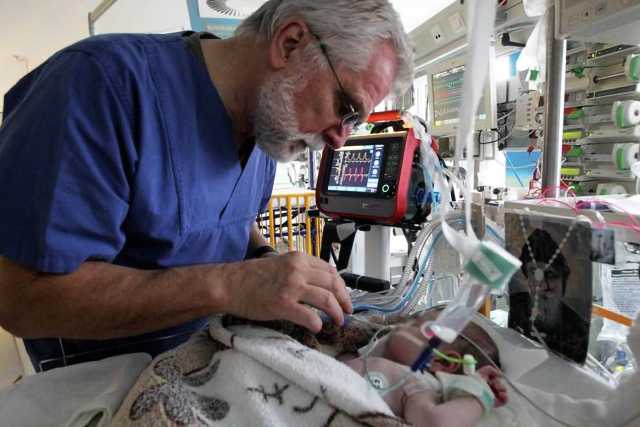
Мы используем HAMILTON-T1 для перевозки пациентов по больнице и в другие учреждения. Так мы уверены, что транспортировка пациента ничуть не помешает качественной вентиляции.
Старший врач междисциплинарного педиатрического реанимационного отделения,
центр педиатрической и подростковой медицины, Майнц, Германия

В отделении интенсивной терапии вы опираетесь на результаты анализов, данные газового состава артериальной крови и визуализацию. При транспортировке часто приходится обходиться без этих инструментов. Именно поэтому вам необходимы графики в реальном времени, тренды и интуитивно понятное отображение данных, чтобы принимать клинические решения оперативно.

В транспортных средствах скорой помощи, вертолетах и санитарных летательных аппаратах приходится работать в ограниченном пространстве и в условиях постоянного движения. Поэтому ваш аппарат ИВЛ должен быть компактным, стабильным и способным работать без питания от электросети, оставаясь надежно закрепленным в любых ситуациях.

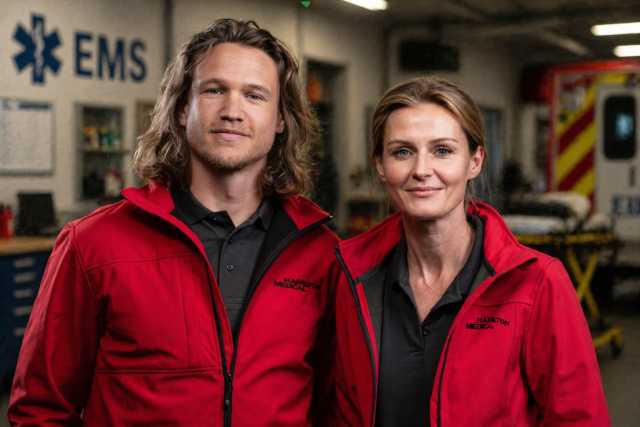
Команда догоспитальной помощи Hamilton Medical стремится предоставлять комплексные услуги и поддержку в области искусственной вентиляции легких при транспортировке и оказании помощи пациентам до госпитализации.