




Session expired

Due to inactivity your session has expired. Please login again.


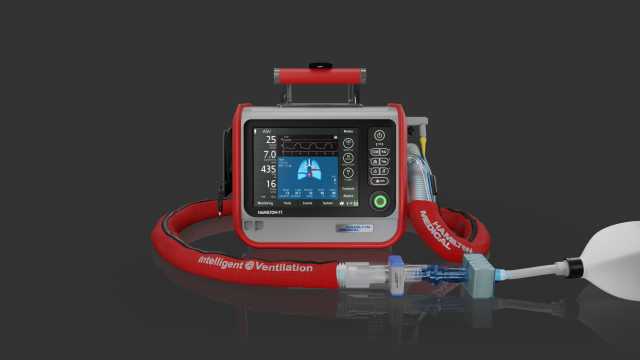
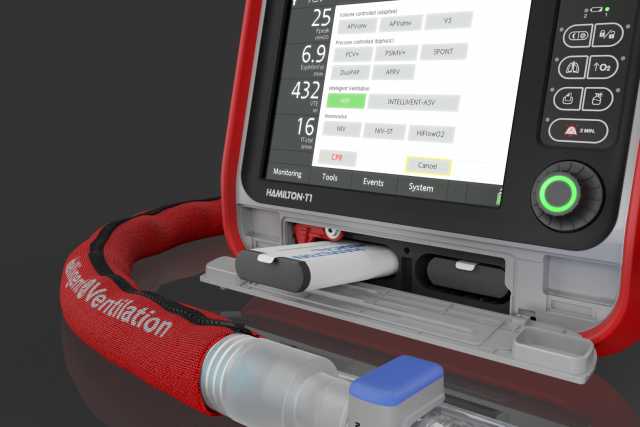
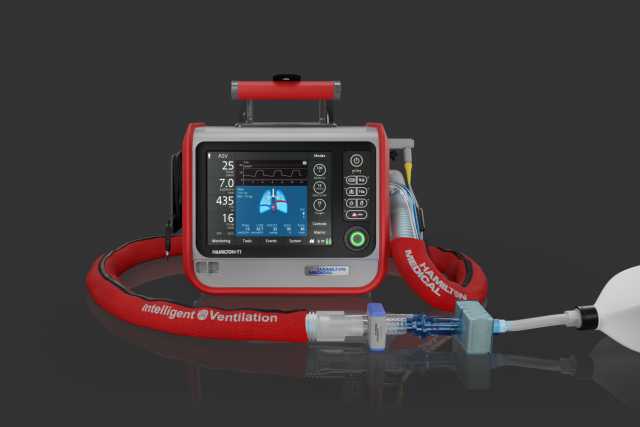
HAMILTON-T1.

Confident ventilation in critical care transport

HAMILTON-T1

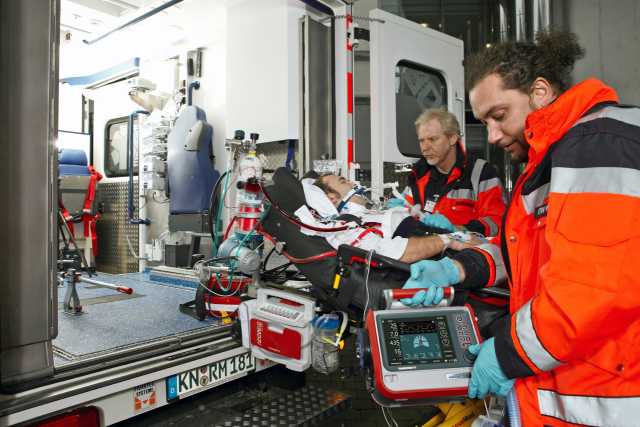
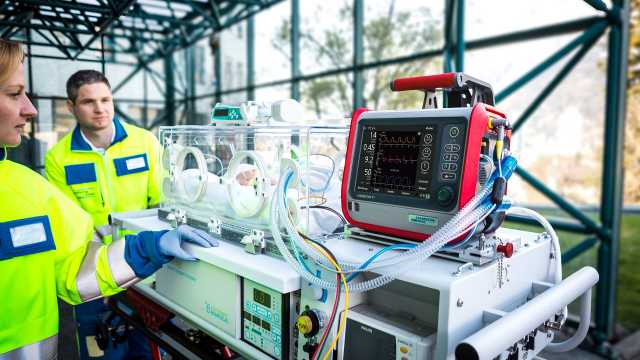
Специально для вентиляции во время транспортировки. Для пациентов всех групп от младенцев до взрослых

  • Полноценный реанимационный аппарат ИВЛ для условий транспортировки
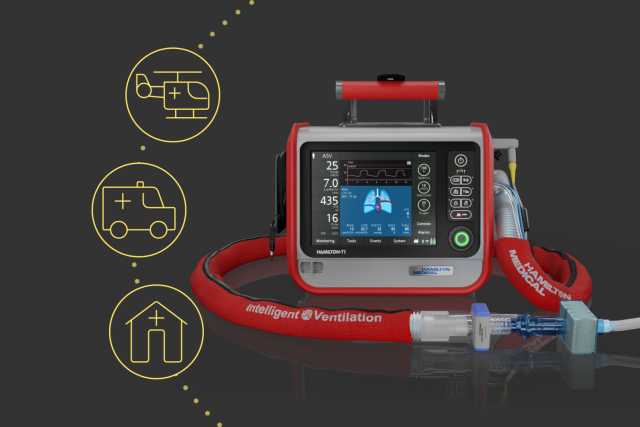
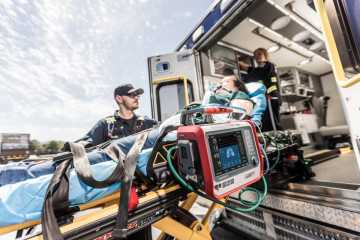
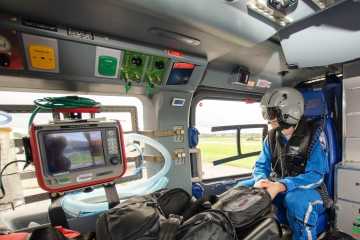
  • Одобрен для перевозки по земле, воздуху и воде
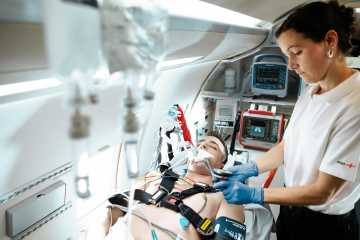
  • Может использоваться как в медицинском учреждении, так и за его пределами
HAMILTON-T1
HAMILTON-T1

Специально для вентиляции во время транспортировки. Для пациентов всех групп от младенцев до взрослых

  • Полноценный реанимационный аппарат ИВЛ для условий транспортировки
  • одобрен для перевозки пациентов по земле, воздуху и воде
  • может использоваться как в медицинском учреждении, так и за его пределами
HAMILTON-T1

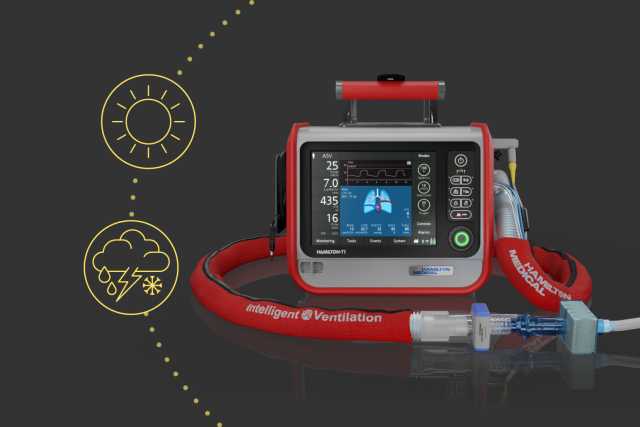
Побеждает сильнейший. В самых сложных условиях

  • Температура от -15 до +50 °C
  • степень защиты IP54
  • высота до 7620 метров над уровнем моря
  • прочный усиленный корпус с защитой от ударов и вибрации
  • ударостойкий дисплей с антибликовым покрытием
HAMILTON-T1

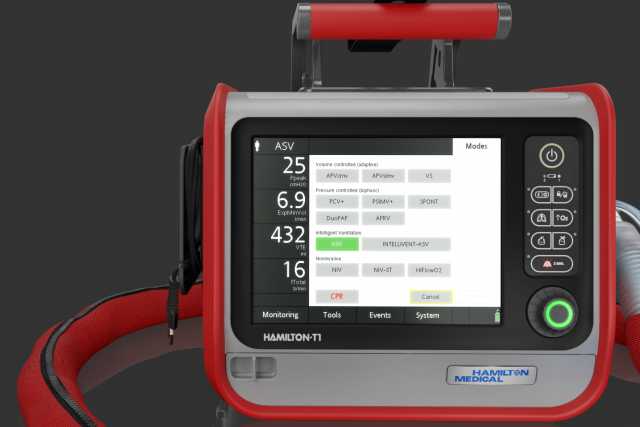
Непрерывная вентиляция легких. Вы можете использовать тот же режим и настройки, что и в палате пациента

  • Режимы вентиляции с управлением по целевому объему и давлению
  • адаптивная вентиляция с помощью ASV® и INTELLiVENT®-ASV
  • неинвазивная вентиляция
  • терапия с высокой скоростью потока с помощью назальной канюли
HAMILTON-T1

Абсолютно автономная работа. Без сжатого воздуха, питание от аккумулятора

  • Высокопроизводительная турбина
  • два аккумулятора – встроенный и заменяемый без отключения аппарата
  • дополнительный разъем для источника кислорода низкого давления
HAMILTON-T1

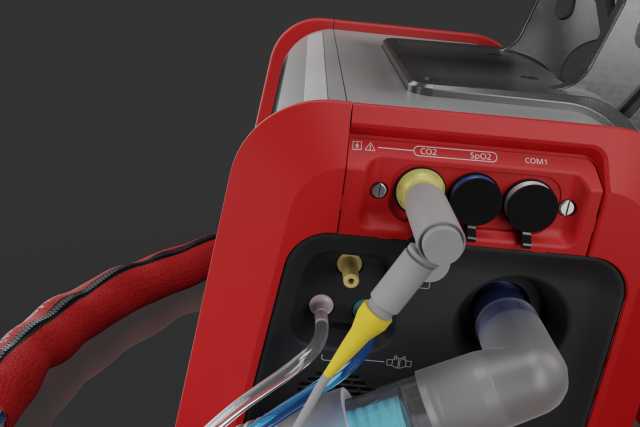
Коммуникация – залог успеха. Для лучшей связи

Опции панели подключения устройств для подсоединения:

  • датчиков SpO2 и/или CO2
  • вызова медсестры
  • PDMS
  • HAMILTON-H900
  • RS232
HAMILTON-T1

Areas of use

Good to know

""

Ready for your mission. Specs that fit your needs

  • Dimensions (W x D x H):
    320 x 220 x 270 mm (ventilation unit)
    630 x 630 x 1380 mm (without handle)

    630 x 630 x 1433 mm (with handle)

  • Weight:

    6.5 kg (14.3 lb)

  • Battery duration 4 h with one battery / 8 h with two batteries

  • Optional hot-swappable battery

  • All transport ventilators from Hamilton Medical are equipped with the Hamilton Connect Module.

  • A specially developed interface protocol allows the connection of third-party devices for data transfer from the ventilator via Bluetooth.

  • Pressure controlled, volume targeted

  • Intelligent Ventilation: ASV®, INTELLiVENT®‑ASV® (Not available in all marketsA​), O2 assist (Not available in all marketsA​)

  • Noninvasive modes (optionalB​)

  • High flow oxygen therapy (optionalB​)

  • Visualization of lung mechanics (Dynamic Lung)

  • Visualization of the patient’s dependence on the ventilator

  • Volumetric capnography (optionalB​)

  • SpO2 monitoring (optionalB​)

Want to see more?
Explore the 3D model

Discover the HAMILTON-T1 from all angles and click on the hotspots to learn more.

""

The popular choice. For 71% of helicopter emergency medical services (HEMS)

According to the HOVER survey (Handover of ventilated Helicopter Emergency Services [HEMS] patients in the emergency roomC​) conducted online amongst air rescue organizations in Germany, Austria, Switzerland, Italy, and Luxemburg, 71% of those organizations chose the HAMILTON-T1 as their critical care transport ventilator (Hilbert-Carius, P., Struck, M.F., Hofer, V. et al. Nutzung des Hubschrauber-Respirators vom Landeplatz zum Zielort im Krankenhaus. Notfall Rettungsmed 23, 106–112 (2020). 1​).


Simplify your workflow with intelligent features

Pneumatic nebulizer. For additional treatments

Delivering a fine mist of drug aerosol particles can help you reverse bronchospasm, improve ventilation efficiency, and reduce hypercapnia (Dhand R. New frontiers in aerosol delivery during mechanical ventilation. Respir Care. 2004;49(6):666-677. 100​​). 

Noninvasive ventilation. Your first line of defense

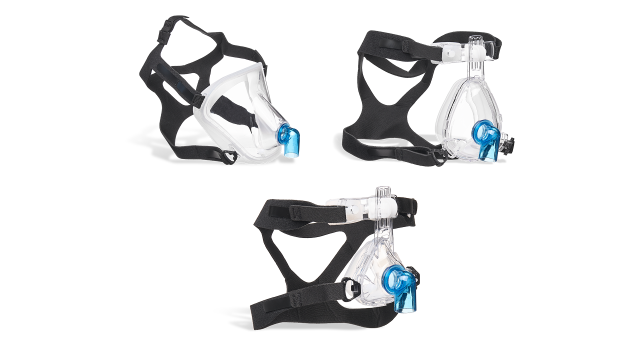
Choose between NIV, NIV-ST (Only available for HAMILTON-T1a​), or CPAP (Only available for HAMILTON-EM7b​) mode to support you in a range of different scenarios and ensure enhanced patient comfort.

Compared to ventilators using compressed air, our turbine‑driven ventilators are capable of providing higher peak flow rates. This guarantees uncompromised performance even with large leaks.

CPR ventilation. Focus on compressions, not the ventilator

Focus, speed, and precision are paramount in critical moments, while distractions should be minimized. CPR ventilation adapts ventilation settings to situations where resucitation is being performed, following international guidelines (Del Rios M, Bartos JA, Panchal AR, Atkins DL, Cabanas JG, Cao D, Dainty KN, Dezfulian C, Donoghue AJ, Drennan IR, Elmer J, Hirsch KG, Idris AH, Joyner BL, Kamath-Rayne BD, Kleinman ME, Kurz MC, Lasa JJ, Lee HC, McBride ME, Raymond TT, Rittenberger, JC, Schexnayder SM, Szyld E, Topjian A, Wigginton JG, Previdi JK. Part 1: executive summary: 2025 American Heart Association Guidelines for Cardiopulmonary Resuscitation and Emergency Cardiovascular Care. Circulation. 2025;152(suppl):S284–S312. doi: 10.1161/CIR.0000000000001372 101​, Greif R, Lauridsen KG, Djärv T, et al. European Resuscitation Council Guidelines 2025 Executive Summary. Resuscitation. 2025;215 Suppl 1:110770. doi:10.1016/j.resuscitation.2025.110770102​).

It supports you with quick access to preconfigurable settings, adequate alarm and trigger adjustment, and CPR-timer display.

Time-based capnography. Supporting informed decision-making

Capnography provides continuous etCO2 monitoring to assess ventilation effectiveness, airway integrity, and patient status in real time.

It gives you immediate feedback during respiratory support, cardiac-arrest management, and transport, helping you make safer and more informed decisions.

ASV - Adaptive Support Ventilation®. Support for you and your patients alike

ASV is an adaptive ventilation mode that continuously adjusts ventilation settings based on the patient's lung mechanics and effort.

This helps to simplify ventilation for prehospital transport teams by providing one mode for both active and passive intubated patients, and only three parameters to control CO2 elimination and oxygenation.

Dynamic Lung. Clarity at a glance

The Dynamic Lung panel translates monitoring data into an easy-to-interpret visual representation.

In just one graphic, you can see your patient’s compliance, resistance, SpO2, pulse rate, and spontaneous activity.

Night vision goggles option. Seeing in the dark

Thanks to the night vision goggles (NVG) option, the ventilator can be used safely in the dark, without affecting the pilot's vision or interfering with night vision devices.

At the touch of a button, the display's brightness can be adjusted to a level appropriate for use with night vision goggles.

INTELLiVENT®-ASV®. Your assistant on the road

Our Intelligent Ventilation mode INTELLiVENT-ASV (Not available in all marketsc​) goes one step further than ASV and turns you from a knob‑turner into a supervisor.

It reduces the number of manual interactions with the ventilator (Arnal JM, Garnero A, Novotni D, et al. Closed loop ventilation mode in Intensive Care Unit: a randomized controlled clinical trial comparing the numbers of manual ventilator setting changes. Minerva Anestesiol. 2018;84(1):58-67. doi:10.23736/S0375-9393.17.11963-2106​) and supports lung-protective ventilation for your patients (Bialais E, Wittebole X, Vignaux L, et al. Closed-loop ventilation mode (IntelliVent®-ASV) in intensive care unit: a randomized trial. Minerva Anestesiol. 2016;82(6):657-668. 107​).

Pulse oximetry. For SpO2 enthusiasts

The SpO2 option offers integrated noninvasive SpO2 measurement with the data displayed conveniently on your ventilator.
It enables you to quickly detect hypoxemia and assess the effectiveness of oxygen therapy during transport.

For smoke-inhalation patients, SpCO measurement with the Masimo rainbow technology provides noninvasive carboxyhemoglobin readings to support informed triage considerations.

Volumetric capnography. Elevating prehospital patient care

Volumetric capnography gives you continuous insight into both ventilation and perfusion by measuring CO2 over the entire exhaled breath, helping you detect changes in airway obstruction, ventilation efficiency, or perfusion status in real time (Blanch L, Romero PV, Lucangelo U. Volumetric capnography in the mechanically ventilated patient. Minerva Anestesiol. 2006;72(6):577-585. 108​).

This makes it especially valuable during patient transport, where clinical conditions can change rapidly and having immediate, actionable data is critical.

Configurable loops and trends. Keeping things in check

In mechanical ventilation, loops and trends provide you with real-time insights into a patient’s respiratory status, so you can quickly identify issues such as airway obstruction or patient–ventilator asynchrony.

This enables the precise adjustment of ventilation during transport, supporting better outcomes and safer care in dynamic prehospital settings.

nCPAP modes. Specialized support for little ones

With nCPAP mode, your tiniest patients are supported by continuous positive airway pressure. The addition of nCPAP to your transport ventilator gives you a wider range of tools for managing neonatal respiratory support according to current best practice.

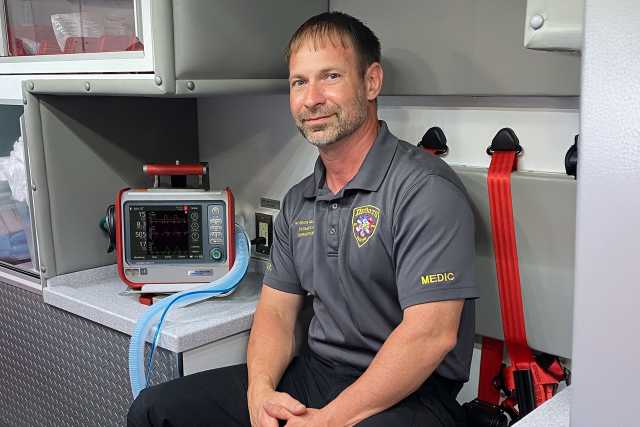
Gordon Miller

Отзывы клиентов

The availability of the noninvasive modes on the HAMILTON-T1 has given me the ability to stave off many intubations, decrease risk to patients, and improve outcomes. In 8 years of utilizing the HAMILTON-T1, I have only had to intubate one patient that was a candidate for NIV when I initiated patient care.

Gordon Miller

Supervisor and Training Office
DeSoto Parish EMS, Mansfield, LA, USA

Convenient consumables

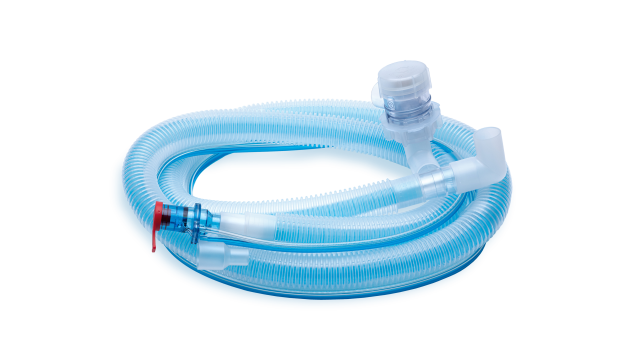
Essential consumables to run your ventilator

Essential consumables from Hamilton Medical are all built for optimal performance with our ventilators. To ensure maximum user satisfaction and patient safety, we designed them for your ease of use — according to the highest quality and safety standards.

Start your ventilator training

""

Get the hang of it! Learning paths and simulations

The HAMILTON‑EM7 Learning Hub offers easy‑to‑follow learning paths so you can get to know your ventilator and its technologies as quickly as possible.

Then try out your newly learned skills in a safe environment using the virtual patient model in our VenTrainer App!

Our 360° services

""

Ready when you are. Your partner for prehospital transport care

The Hamilton Medical Prehospital Team is committed to delivering comprehensive services and support around mechanical ventilation during transport in prehospital settings.

EMS_Prehospital_Team_Contact_Us

Questions? Get in touch!

Our Prehospital Team is happy to answer your questions and provide expert consultation.

Сноски

  • A. Недоступен для некоторых стран
  • C. Транспортировка механически вентилируемых пациентов вертолетной службой неотложной помощи [HEMS] в отделение реанимации
  • c. Недоступен для некоторых стран

Список литературы

  1. 1. Hilbert-Carius, P., Struck, M.F., Hofer, V. et al. Nutzung des Hubschrauber-Respirators vom Landeplatz zum Zielort im Krankenhaus. Notfall Rettungsmed 23, 106–112 (2020).
  2. 100. Dhand R. New frontiers in aerosol delivery during mechanical ventilation. Respir Care. 2004;49(6):666-677.
  3. 103. Atakul G, Ceylan G, Sandal O, et al. Closed-loop oxygen usage during invasive mechanical ventilation of pediatric patients (CLOUDIMPP): a randomized controlled cross-over study. Front Med (Lausanne). 2024;11:1426969. Published 2024 Sep 10. doi:10.3389/fmed.2024.1426969
  4. 104. Trottier M, Bouchard PA, L'Her E, Lellouche F. Automated Oxygen Titration During CPAP and Noninvasive Ventilation in Healthy Subjects With Induced Hypoxemia. Respir Care. 2023;68(11):1553-1560. doi:10.4187/respcare.09866
  5. 105. Roca O, Caritg O, Santafé M, et al. Closed-loop oxygen control improves oxygen therapy in acute hypoxemic respiratory failure patients under high flow nasal oxygen: a randomized cross-over study (the HILOOP study). Crit Care. 2022;26(1):108. Published 2022 Apr 14. doi:10.1186/s13054-022-03970-w
  6. 106. Arnal JM, Garnero A, Novotni D, et al. Closed loop ventilation mode in Intensive Care Unit: a randomized controlled clinical trial comparing the numbers of manual ventilator setting changes. Minerva Anestesiol. 2018;84(1):58-67. doi:10.23736/S0375-9393.17.11963-2
  7. 107. Bialais E, Wittebole X, Vignaux L, et al. Closed-loop ventilation mode (IntelliVent®-ASV) in intensive care unit: a randomized trial. Minerva Anestesiol. 2016;82(6):657-668.
  8. 108. Blanch L, Romero PV, Lucangelo U. Volumetric capnography in the mechanically ventilated patient. Minerva Anestesiol. 2006;72(6):577-585.

Nutzung des Hubschrauber-Respirators vom Landeplatz zum Zielort im Krankenhaus Sekundäranalyse der HOVER-Umfrage zu beatmeten Notfallpatienten in der Luftrettung

Hilbert-Carius, P., Struck, M.F., Hofer, V. et al. Nutzung des Hubschrauber-Respirators vom Landeplatz zum Zielort im Krankenhaus. Notfall Rettungsmed 23, 106–112 (2020).

New frontiers in aerosol delivery during mechanical ventilation.

Dhand R. New frontiers in aerosol delivery during mechanical ventilation. Respir Care. 2004;49(6):666-677.

The scientific basis for inhalation therapy in mechanically-ventilated patients is now firmly established. A variety of new devices that deliver drugs to the lung with high efficiency could be employed for drug delivery during mechanical ventilation. Encapsulation of drugs within liposomes could increase the amount of drug delivered, prolong the effect of a dose, and minimize adverse effects. With improved inhalation devices and surfactant formulations, inhaled surfactant could be employed for several indications in mechanically-ventilated patients. Research is unraveling the causes of some disorders that have been poorly understood, and our improved understanding of the causal mechanisms of various respiratory disorders will provide new applications for inhaled therapies.

Closed-loop oxygen usage during invasive mechanical ventilation of pediatric patients (CLOUDIMPP): a randomized controlled cross-over study.

Atakul G, Ceylan G, Sandal O, et al. Closed-loop oxygen usage during invasive mechanical ventilation of pediatric patients (CLOUDIMPP): a randomized controlled cross-over study. Front Med (Lausanne). 2024;11:1426969. Published 2024 Sep 10. doi:10.3389/fmed.2024.1426969

BACKGROUND The aim of this study is the evaluation of a closed-loop oxygen control system in pediatric patients undergoing invasive mechanical ventilation (IMV). METHODS Cross-over, multicenter, randomized, single-blind clinical trial. Patients between the ages of 1 month and 18 years who were undergoing IMV therapy for acute hypoxemic respiratory failure (AHRF) were assigned at random to either begin with a 2-hour period of closed-loop oxygen control or manual oxygen titrations. By using closed-loop oxygen control, the patients' SpO2 levels were maintained within a predetermined target range by the automated adjustment of the FiO2. During the manual oxygen titration phase of the trial, healthcare professionals at the bedside made manual changes to the FiO2, while maintaining the same target range for SpO2. Following either period, the patient transitioned to the alternative therapy. The outcomes were the percentage of time spent in predefined SpO2 ranges ±2% (primary), FiO2, total oxygen use, and the number of manual adjustments. FINDINGS The median age of included 33 patients was 17 (13-55.5) months. In contrast to manual oxygen titrations, patients spent a greater proportion of time within a predefined optimal SpO2 range when the closed-loop oxygen controller was enabled (95.7% [IQR 92.1-100%] vs. 65.6% [IQR 41.6-82.5%]), mean difference 33.4% [95%-CI 24.5-42%]; P < 0.001). Median FiO2 was lower (32.1% [IQR 23.9-54.1%] vs. 40.6% [IQR 31.1-62.8%]; P < 0.001) similar to total oxygen use (19.8 L/h [IQR 4.6-64.8] vs. 39.4 L/h [IQR 16.8-79]; P < 0.001); however, median SpO2/FiO2 was higher (329.4 [IQR 180-411.1] vs. 246.7 [IQR 151.1-320.5]; P < 0.001) with closed-loop oxygen control. With closed-loop oxygen control, the median number of manual adjustments reduced (0.0 [IQR 0.0-0.0] vs. 1 [IQR 0.0-2.2]; P < 0.001). CONCLUSION Closed-loop oxygen control enhances oxygen therapy in pediatric patients undergoing IMV for AHRF, potentially leading to more efficient utilization of oxygen. This technology also decreases the necessity for manual adjustments, which could reduce the workloads of healthcare providers. CLINICAL TRIAL REGISTRATION This research has been submitted to ClinicalTrials.gov (NCT05714527).

Automated Oxygen Titration During CPAP and Noninvasive Ventilation in Healthy Subjects With Induced Hypoxemia.

Trottier M, Bouchard PA, L'Her E, Lellouche F. Automated Oxygen Titration During CPAP and Noninvasive Ventilation in Healthy Subjects With Induced Hypoxemia. Respir Care. 2023;68(11):1553-1560. doi:10.4187/respcare.09866

BACKGROUND Automated oxygen titration to maintain a stable SpO2 has been developed for spontaneously breathing patients but has not been evaluated during CPAP and noninvasive ventilation (NIV). METHODS We performed a randomized controlled crossover, double-blind study on 10 healthy subjects with induced hypoxemia during 3 situations: spontaneous breathing with oxygen support, CPAP (5 cm H2O), and NIV (7/3 cm H2O). We conducted in random order 3 dynamic hypoxic challenges of 5 min (FIO2 0.08 ± 0.02, 0.11± 0.02, and 0.14 ± 0.02). For each condition, we compared automated oxygen titration and manual oxygen titration by experienced respiratory therapists (RTs), with the aim to maintain the SpO2 at 94 ± 2%. In addition, we included 2 subjects hospitalized for exacerbation of COPD under NIV and a subject managed after bariatric surgery with CPAP and automated oxygen titration. RESULTS The percentage of time in the SpO2 target was higher with automated compared with manual oxygen titration for all conditions, on average 59.6 ± 22.8% compared to 44.3 ± 23.9% (P = .004). Hyperoxemia (SpO2 > 96%) was less frequent with automated titration for each mode of oxygen administration (24.0 ± 24.4% vs 39.1 ± 25.3%, P < .001). During the manual titration periods, the RT made several changes to oxygen flow (5.1 ± 3.3 interventions that lasted 122 ± 70 s/period) compared to none during the automated titration to maintain oxygenation in the targeted SpO2 . Time in the SpO2 target was higher with stable hospitalized subjects in comparison with healthy subjects under dynamic-induced hypoxemia. CONCLUSIONS In this proof-of-concept study, automated oxygen titration was used during CPAP and NIV. The performances to maintain the SpO2 target were significantly better compared to manual oxygen titration in the setting of this study protocol. This technology may allow decreasing the number of manual interventions for oxygen titration during CPAP and NIV.

Closed-loop oxygen control improves oxygen therapy in acute hypoxemic respiratory failure patients under high flow nasal oxygen: a randomized cross-over study (the HILOOP study).

Roca O, Caritg O, Santafé M, et al. Closed-loop oxygen control improves oxygen therapy in acute hypoxemic respiratory failure patients under high flow nasal oxygen: a randomized cross-over study (the HILOOP study). Crit Care. 2022;26(1):108. Published 2022 Apr 14. doi:10.1186/s13054-022-03970-w

BACKGROUND We aimed to assess the efficacy of a closed-loop oxygen control in critically ill patients with moderate to severe acute hypoxemic respiratory failure (AHRF) treated with high flow nasal oxygen (HFNO). METHODS In this single-centre, single-blinded, randomized crossover study, adult patients with moderate to severe AHRF who were treated with HFNO (flow rate ≥ 40 L/min with FiO2 ≥ 0.30) were randomly assigned to start with a 4-h period of closed-loop oxygen control or 4-h period of manual oxygen titration, after which each patient was switched to the alternate therapy. The primary outcome was the percentage of time spent in the individualized optimal SpO2 range. RESULTS Forty-five patients were included. Patients spent more time in the optimal SpO2 range with closed-loop oxygen control compared with manual titrations of oxygen (96.5 [93.5 to 98.9] % vs. 89 [77.4 to 95.9] %; p < 0.0001) (difference estimate, 10.4 (95% confidence interval 5.2 to 17.2). Patients spent less time in the suboptimal range during closed-loop oxygen control, both above and below the cut-offs of the optimal SpO2 range, and less time above the suboptimal range. Fewer number of manual adjustments per hour were needed with closed-loop oxygen control. The number of events of SpO2 < 88% and < 85% were not significantly different between groups. CONCLUSIONS Closed-loop oxygen control improves oxygen administration in patients with moderate-to-severe AHRF treated with HFNO, increasing the percentage of time in the optimal oxygenation range and decreasing the workload of healthcare personnel. These results are especially relevant in a context of limited oxygen supply and high medical demand, such as the COVID-19 pandemic. Trial registration The HILOOP study was registered at www. CLINICALTRIALS gov under the identifier NCT04965844 .

Closed loop ventilation mode in Intensive Care Unit: a randomized controlled clinical trial comparing the numbers of manual ventilator setting changes.

Arnal JM, Garnero A, Novotni D, et al. Closed loop ventilation mode in Intensive Care Unit: a randomized controlled clinical trial comparing the numbers of manual ventilator setting changes. Minerva Anestesiol. 2018;84(1):58-67. doi:10.23736/S0375-9393.17.11963-2

BACKGROUND There is an equipoise regarding closed-loop ventilation modes and the ability to reduce workload for providers. On one hand some settings are managed by the ventilator but on another hand the automatic mode introduces new settings for the user. METHODS This randomized controlled trial compared the number of manual ventilator setting changes between a full closed loop ventilation and oxygenation mode (INTELLiVENT-ASV®) and conventional ventilation modes (volume assist control and pressure support) in Intensive Care Unit (ICU) patients. The secondary endpoints were to compare the number of arterial blood gas analysis, the sedation dose and the user acceptance. Sixty subjects with an expected duration of mechanical ventilation of at least 48 hours were randomized to be ventilated using INTELLiVENT-ASV® or conventional modes with a protocolized weaning. All manual ventilator setting changes were recorded continuously from inclusion to successful extubation or death. Arterial blood gases were performed upon decision of the clinician in charge. User acceptance score was assessed for nurses and physicians once daily using a Likert Scale. RESULTS The number of manual ventilator setting changes per 24 h-period per subject was lower in INTELLiVENT-ASV® as compared to conventional ventilation group (5 [4-7] versus 10 [7-17]) manuals settings per subject per day [P<0.001]). The number of arterial blood gas analysis and the sedation doses were not significantly different between the groups. Nurses and physicians reported that INTELLiVENT-ASV® was significantly easier to use as compared to conventional ventilation (P<0.001 for nurses and P<0.01 for physicians). CONCLUSIONS For mechanically ventilated ICU patients, INTELLiVENT-ASV® significantly reduces the number of manual ventilator setting changes with the same number of arterial blood gas analysis and sedation dose, and is easier to use for the caregivers as compared to conventional ventilation modes.

Closed-loop ventilation mode (IntelliVent®-ASV) in intensive care unit: a randomized trial.

Bialais E, Wittebole X, Vignaux L, et al. Closed-loop ventilation mode (IntelliVent®-ASV) in intensive care unit: a randomized trial. Minerva Anestesiol. 2016;82(6):657-668.

BACKGROUND Closed-loop modes automatically adjust ventilation settings, delivering individualized ventilation over short periods of time. The objective of this randomized controlled trial was to compare safety, efficacy and workload for the health care team between IntelliVent®-ASV and conventional modes over a 48-hour period. METHODS ICU patients admitted with an expected duration of mechanical ventilation of more than 48 hours were randomized to IntelliVent®-ASV or conventional ventilation modes. All ventilation parameters were recorded breath-by-breath. The number of manual adjustments assesses workload for the healthcare team. Safety and efficacy were assessed by calculating the time spent within previously defined ranges of non-optimal and optimal ventilation, respectively. RESULTS Eighty patients were analyzed. The median values of ventilation parameters over 48 hours were similar in both groups except for PEEP (7[4] cmH2O versus 6[3] cmH2O with IntelliVent®-ASV and conventional ventilation, respectively, P=0.028) and PETCO2 (36±7 mmHg with IntelliVent®-ASV versus 40±8 mmHg with conventional ventilation, P=0.041). Safety was similar between IntelliVent®-ASV and conventional ventilation for all parameters except for PMAX, which was more often non-optimal with IntelliVent®-ASV (P=0.001). Efficacy was comparable between the 2 ventilation strategies, except for SpO2 and VT, which were more often optimal with IntelliVent®-ASV (P=0.005, P=0.016, respectively). IntelliVent®-ASV required less manual adjustments than conventional ventilation (P<0.001) for a higher total number of adjustments (P<0.001). The coefficient of variation over 48 hours was larger with IntelliVent®-ASV in regard of maximum pressure, inspiratory pressure (PINSP), and PEEP as compared to conventional ventilation. CONCLUSIONS IntelliVent®-ASV required less manual intervention and delivered more variable PEEP and PINSP, while delivering ventilation safe and effective ventilation in terms of VT, RR, SpO2 and PETCO2.

Volumetric capnography in the mechanically ventilated patient.

Blanch L, Romero PV, Lucangelo U. Volumetric capnography in the mechanically ventilated patient. Minerva Anestesiol. 2006;72(6):577-585.

Expiratory capnogram provides qualitative information on the waveform patterns associated with mechanical ventilation and quantitative estimation of expired CO2. Volumetric capnography simultaneously measures expired CO2 and tidal volume and allows identification of CO2 from 3 sequential lung compartments: apparatus and anatomic dead space, from progressive emptying of alveoli and alveolar gas. Lung heterogeneity creates regional differences in CO2 concentration and sequential emptying contributes to the rise of the alveolar plateau and to the steeper the expired CO2 slope. The concept of dead space accounts for those lung areas that are ventilated but not perfused. In patients with sudden pulmonary vascular occlusion due to pulmonary embolism, the resultant high V/Q mismatch produces an increase in alveolar dead space. Calculations derived from volumetric capnography are useful to suspect pulmonary embolism at the bedside. Alveolar dead space is large in acute lung injury and when the effect of positive end-expiratory pressure (PEEP) is to recruit collapsed lung units resulting in an improvement of oxygenation, alveolar dead space may decrease, whereas PEEP-induced overdistension tends to increase alveolar dead space. Finally, measurement of physiologic dead space and alveolar ejection volume at admission or the trend during the first 48 hours of mechanical ventilation might provide useful information on outcome of critically ill patients with acute lung injury or acute respiratory distress syndrome.