



Session expired

Due to inactivity your session has expired. Please login again.


Zu Vereinigte Staaten wechseln

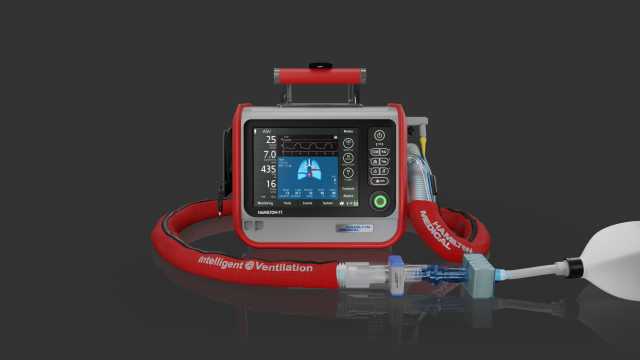
HAMILTON-T1.

Intelligente Beatmung auf Intensivtransporten

HAMILTON-T1

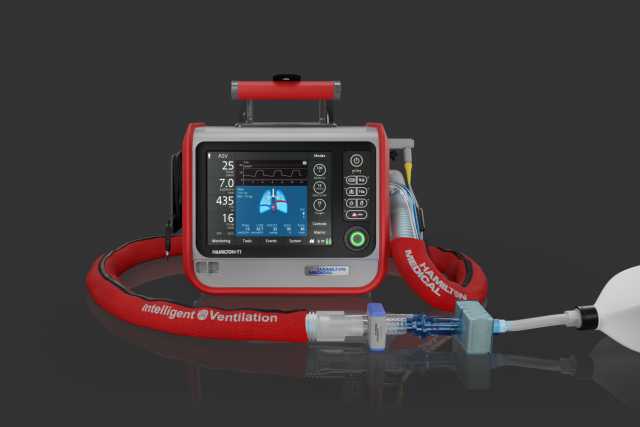
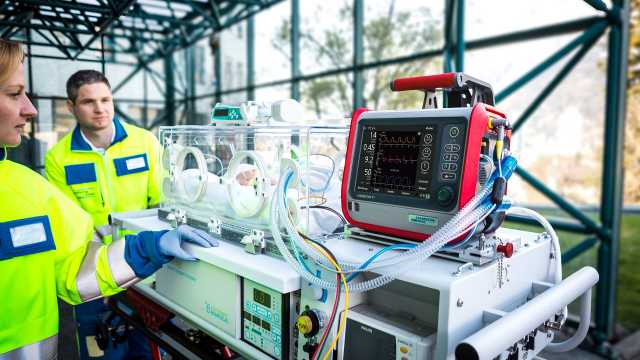
Unser Transportspezialist. Vom Neugeborenen bis zum Erwachsenen

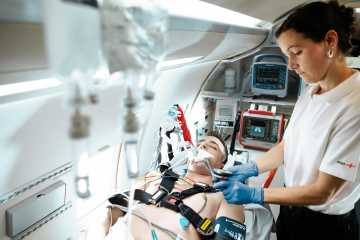
  • Vollwertiges Intensivbeatmungsgerät für den Transport
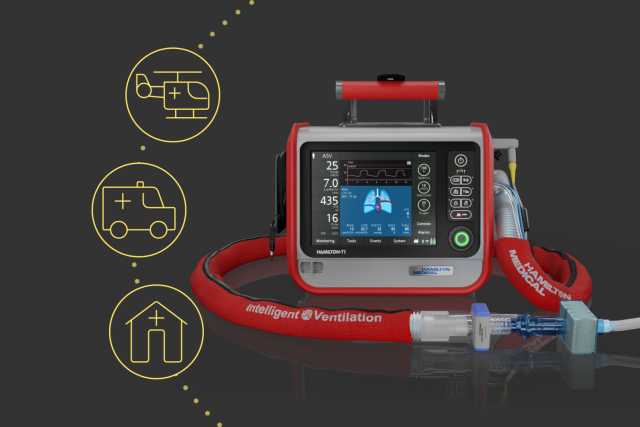
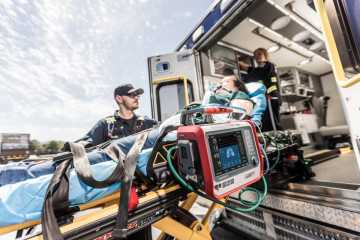
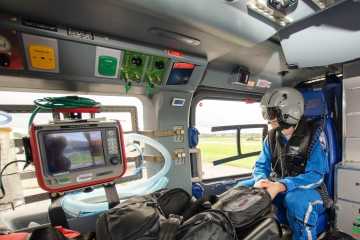
  • Zugelassen für den Transport am Boden, zu Wasser und in der Luft
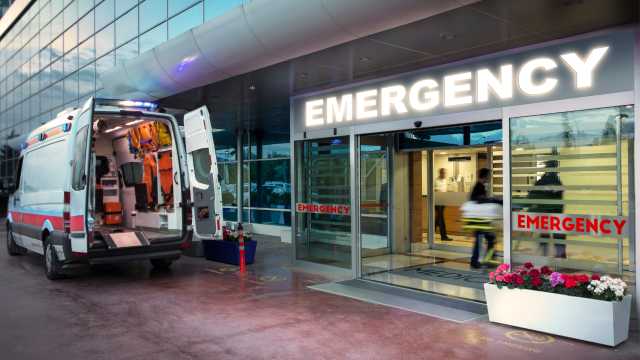
  • Inner- und ausserhalb des Krankenhauses
HAMILTON-T1
HAMILTON-T1

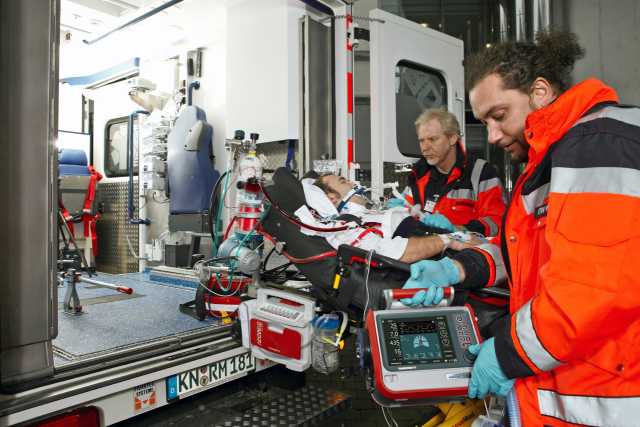
Unser Transportspezialist. Vom Neugeborenen bis zum Erwachsenen

  • Vollwertiges Intensivbeatmungsgerät für den Transport
  • Zugelassen für den Patiententransport am Boden, zu Wasser und in der Luft
  • Inner- und ausserhalb des Krankenhauses
HAMILTON-T1

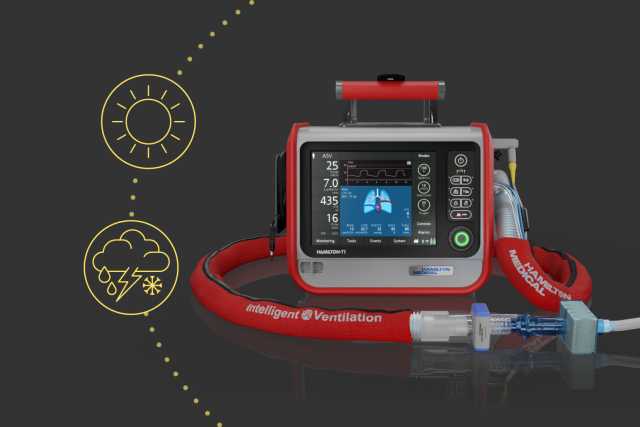
Überleben des Angepasstesten. Unter den härtesten Bedingungen

  • Temperaturen von -15 bis +50 °C
  • Schutz gegen Eindringen gemäss IP54
  • Maximalhöhe 7.620 Meter
  • Robustes verstärktes Gehäuse mit Schlagschutz und Erschütterungsfestigkeit
  • Schockresistentes, entspiegeltes Display
HAMILTON-T1

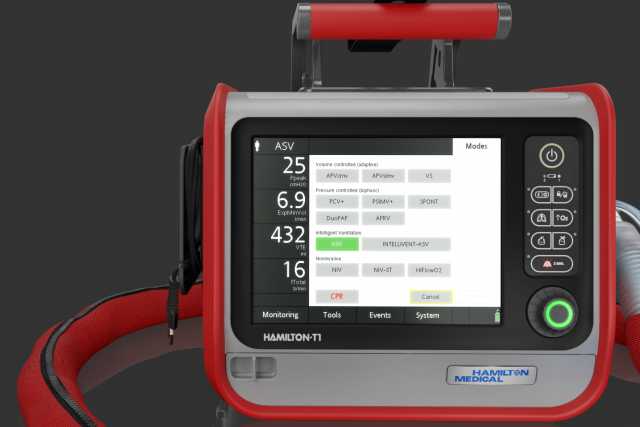
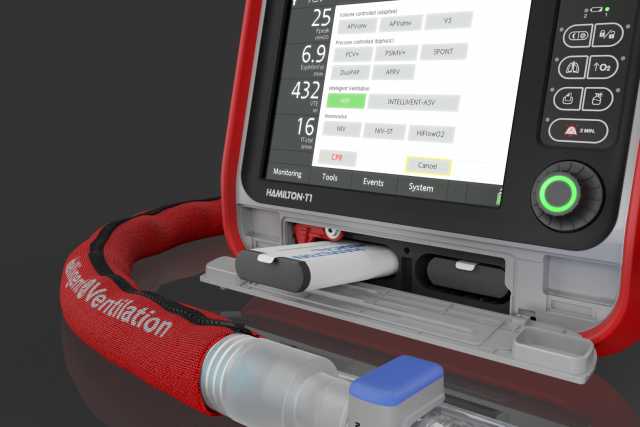
Kontinuierliche Beatmungstherapie. Verwenden Sie denselben Modus und dieselben Einstellungen wie am Patientenbett

  • Volumenorientierte und druckkontrollierte Beatmungsmodi
  • Adaptive Beatmung mit ASV® und INTELLiVENT®-ASV
  • Nichtinvasive Beatmung
  • Therapie mit High-Flow Nasenkanüle
HAMILTON-T1

Konsequent unabhängig. Ohne Druckluft und mit Batterie

  • Hochleistungsturbine
  • Eine integrierte und eine hotswap-fähige Batterie
  • Zusätzlicher Anschluss für Niederdrucksauerstoff
HAMILTON-T1

Die richtige Schnittstelle macht's. Für eine bessere Verbindung

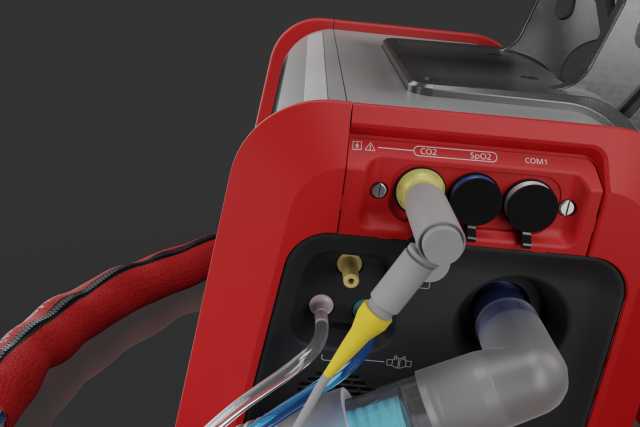
Optionen für das Datenschnittstellenboard:

  • SpO2- und/oder CO2-Sensoren
  • Schwesternruf
  • PDMS
  • HAMILTON-H900
  • RS232
HAMILTON-T1

Einsatzbereiche

Gut zu wissen

""

Bereit für Ihre Mission. Die passenden Spezifikationen für Sie

  • Abmessungen (B x T x H):
    320 x 220 x 270 mm (Beatmungseinheit)
    630 x 630 x 1380 mm (ohne Griff)
    630 x 630 x 1433 mm (mit Griff)

  • Gewicht:

    6,5 kg

  • Batterielaufzeit 4 h mit einer Batterie/8 h mit zwei Batterien

  • Optionale hotswap-fähige Batterie

  • Alle Transportbeatmungsgeräte von Hamilton Medical sind mit dem Hamilton Connect-Modul ausgestattet.

  • Ein eigens entwickeltes Interface-Protokoll ermöglicht den Anschluss von Geräten anderer Hersteller zur Datenübertragung vom Beatmungsgerät per Bluetooth.

  • Druckkontrolliert, volumenorientiert

  • Intelligent Ventilation: ASV®, INTELLiVENT®‑ASV® (Nicht für alle Märkte verfügbar.A​), O2 assist (Nicht für alle Märkte verfügbar.A​)

  • Nichtinvasive Modi (optionalB​)

  • High-Flow Sauerstofftherapie (optionalB​)

  • Grafische Darstellung der Lungenmechanik (Dynamische Lunge)

  • Visualisierung der Abhängigkeit des Patienten vom Beatmungsgerät

  • Volumetrische Kapnographie (optionalB​)

  • SpO2-Monitoring (optionalB​)

Möchten Sie mehr sehen?
Erkunden Sie das 3D-Modell

Entdecken Sie den HAMILTON-T1 aus allen Blickwinkeln und klicken Sie auf die Hotspots, um mehr zu erfahren.

""

Die bevorzugte Wahl. Bei 71 % der Rettungshubschrauber

Gemäss der HOVER-Umfrage (Transport beatmeter Notfallpatienten vom Hubschrauber zur NotaufnahmeC​), die online bei Flugrettungsorganisationen aus Deutschland, Österreich, der Schweiz, Italien und Luxemburg durchgeführt wurde, wählten 71 % dieser Organisationen den HAMILTON-T1 als ihr Beatmungsgerät für den Transport von Intensivpatienten (Hilbert-Carius, P., Struck, M.F., Hofer, V. et al. Nutzung des Hubschrauber-Respirators vom Landeplatz zum Zielort im Krankenhaus. Notfall Rettungsmed 23, 106–112 (2020). 1​).


Vereinfachen Sie Ihre Abläufe durch intelligente Funktionen

O2-Therapie. Oxygenierung vor Ort

Die O2-Therapie ist in präklinischen Situationen ein wertvolles Mittel, um Patienten ohne eine Intubation besser mit Sauerstoff zu versorgen.

Diese Option ermöglicht im Einsatz eine präzise und effektive Pre-Oxygenierung.

Pneumatischer Vernebler. Für zusätzliche Behandlungen

Durch fein vernebelte Aerosolpartikel können Sie Bronchospasmen lösen, die Beatmungseffizienz steigern und Hyperkapnie verringern(Dhand R. New frontiers in aerosol delivery during mechanical ventilation. Respir Care. 2004;49(6):666-677. 100​​). 

Nichtinvasive Beatmung. Ihre erste Massnahme

Sie haben die Wahl: Die Modi NIV, NIV-ST (Nur verfügbar für den HAMILTON-T1.a​) und CPAP (Nur verfügbar für den HAMILTON-EM7.b​) unterstützen Sie bei den unterschiedlichsten Szenarios und sorgen für mehr Wohlbefinden beim Patienten.

Im Vergleich zu Beatmungsgeräten, die Druckluft einsetzen, können unsere turbinenbetriebenen Beatmungsgeräte einen höheren Spitzenflow liefern. Dies garantiert eine optimale Performance selbst bei grossen Leckagen.

CPR-Beatmung. Im Fokus: die Herzdruckmassage, nicht das Beatmungsgerät

In kritischen Momenten zählen Konzentration, Tempo und Präzision; Ablenkungen müssen minimiert werden. Die CPR-Beatmung passt die Beatmungseinstellungen bei der Reanimation gemäss internationalen Leitlinien an die Situation an (Del Rios M, Bartos JA, Panchal AR, Atkins DL, Cabanas JG, Cao D, Dainty KN, Dezfulian C, Donoghue AJ, Drennan IR, Elmer J, Hirsch KG, Idris AH, Joyner BL, Kamath-Rayne BD, Kleinman ME, Kurz MC, Lasa JJ, Lee HC, McBride ME, Raymond TT, Rittenberger, JC, Schexnayder SM, Szyld E, Topjian A, Wigginton JG, Previdi JK. Part 1: executive summary: 2025 American Heart Association Guidelines for Cardiopulmonary Resuscitation and Emergency Cardiovascular Care. Circulation. 2025;152(suppl):S284–S312. doi: 10.1161/CIR.0000000000001372 101​, Greif R, Lauridsen KG, Djärv T, et al. European Resuscitation Council Guidelines 2025 Executive Summary. Resuscitation. 2025;215 Suppl 1:110770. doi:10.1016/j.resuscitation.2025.110770102​).

Dieser Modus unterstützt Sie durch schnellen Zugriff auf vorkonfigurierbare Einstellungen, die angemessene Alarm- und Triggeranpassung und eine CPR-Timer-Anzeige.

Zeitbasierte Kapnographie. Unterstützt fundierte Entscheidungen

Die Kapnographie überwacht etCO2 fortlaufend, um in Echtzeit die Wirksamkeit der Beatmung, die Integrität der Atemwege und den Patientenstatus zu beurteilen.

Sie erhalten bei der Atemunterstützung, der Behandlung eines Herzstillstands und beim Transport sofort Feedback, sodass Sie fundiert und mit mehr Sicherheit entscheiden können.

ASV – Adaptive Support Ventilation®. Unterstützt Sie und Ihre Patienten

ASV ist ein Modus zur adaptiven Beatmung, der die Beatmungseinstellungen auf der Grundlage von Lungenmechanik und Atembemühungen des Patienten fortlaufend anpasst.

Für Transportteams vereinfacht dies die präklinische Beatmung, denn derselbe Modus eignet sich sowohl für aktive als auch für passive intubierte Patienten und es gibt nur drei Parameter zur Steuerung von CO2-Eliminierung und Oxygenierung.

O2 assist. Intelligentere Sauerstofftitration in der präklinischen Versorgung

O2 assist (Nicht für alle Märkte verfügbar.c​) ist eine moderne Sauerstoffmanagement-Technologie und optimiert die Verabreichung von Sauerstoff, auch während des Transports.

O2 assist passt die Sauerstoffzufuhr fortlaufend an und hält so die SpO2-Werte des Patienten innerhalb des eingestellten Zielbereichs. Das reduziert sowohl den unnötigen Sauerstoffverbrauch (Atakul G, Ceylan G, Sandal O, et al. Closed-loop oxygen usage during invasive mechanical ventilation of pediatric patients (CLOUDIMPP): a randomized controlled cross-over study. Front Med (Lausanne). 2024;11:1426969. Published 2024 Sep 10. doi:10.3389/fmed.2024.1426969103​, Trottier M, Bouchard PA, L'Her E, Lellouche F. Automated Oxygen Titration During CPAP and Noninvasive Ventilation in Healthy Subjects With Induced Hypoxemia. Respir Care. 2023;68(11):1553-1560. doi:10.4187/respcare.09866104​) als auch die Notwendigkeit manueller Interventionen (Roca O, Caritg O, Santafé M, et al. Closed-loop oxygen control improves oxygen therapy in acute hypoxemic respiratory failure patients under high flow nasal oxygen: a randomized cross-over study (the HILOOP study). Crit Care. 2022;26(1):108. Published 2022 Apr 14. doi:10.1186/s13054-022-03970-w105​).

Dynamische Lunge. Klarheit auf einen Blick

Die dynamische Lunge ist eine leicht interpretierbare visuelle Präsentation der Monitoring-Daten.

Eine einzige grafische Darstellung zeigt Ihnen Compliance, Resistance, SpO2, Pulsfrequenz und die Spontanaktivität Ihrer Patienten.

Option Nachtsichtgerät. Klarheit im Dunkeln

Mit dem optionalen Nachtsichtgerät (NVG) können Sie das Beatmungsgerät auch im Dunkeln sicher verwenden, ohne die Sicht des Piloten zu beeinflussen oder Nachtsichtgeräte zu beeinträchtigen.

Auf Knopfdruck lässt sich die Display-Helligkeit auf ein Niveau schalten, das sich zur Verwendung mit Nachtsichtgeräten eignet.

INTELLiVENT®-ASV®. Ihr Assistent unterwegs

Unser intelligenter Beatmungsmodus INTELLiVENT-ASV (Nicht für alle Märkte verfügbar.c​) geht noch einen Schritt weiter als ASV und befördert Sie vom Tastendrücker zum Entscheider.

Er reduziert die Anzahl der manuellen Einstellungen am Beatmungsgerät (Arnal JM, Garnero A, Novotni D, et al. Closed loop ventilation mode in Intensive Care Unit: a randomized controlled clinical trial comparing the numbers of manual ventilator setting changes. Minerva Anestesiol. 2018;84(1):58-67. doi:10.23736/S0375-9393.17.11963-2106​) und unterstützt die lungenschonende Beatmung Ihrer Patienten (Bialais E, Wittebole X, Vignaux L, et al. Closed-loop ventilation mode (IntelliVent®-ASV) in intensive care unit: a randomized trial. Minerva Anestesiol. 2016;82(6):657-668. 107​).

Pulsoximetrie. Für SpO2-Fans

Die SpO2-Option ermöglicht die integrierte nichtinvasive SpO2-Messung, wobei die Daten bequem an Ihrem Beatmungsgerät angezeigt werden.
Damit erkennen Sie Hypoxämien ohne Verzögerung und können die Wirksamkeit der Sauerstofftherapie beim Transport schnell beurteilen.

Bei Patienten mit Rauchvergiftung liefert die SpCO-Messung mit der Technologie Masimo rainbow auf nichtinvasivem Weg Carboxyhämoglobin-Werte und ermöglicht so fundierte Triage-Entscheidungen.

Volumetrische Kapnographie. Eine bessere präklinische Patientenversorgung

Die volumetrische Kapnographie liefert Ihnen durch CO2-Messungen über den gesamten exspiratorischen Atemzug einen fortlaufenden Überblick über Beatmung und Perfusion. Damit können Sie in Echtzeit Änderungen bei Atemwegsobstruktionen, der Wirksamkeit der Beatmung oder dem Perfusionsstatus erkennen (Blanch L, Romero PV, Lucangelo U. Volumetric capnography in the mechanically ventilated patient. Minerva Anestesiol. 2006;72(6):577-585. 108​).

Das macht diese Funktion während des Patiententransports besonders wertvoll, da sich die klinischen Bedingungen in dieser Phase schnell verändern können und aktuelle und aussagekräftige Daten dann von entscheidender Bedeutung sind.

Konfigurierbare Loops und Trends. Alles im Griff

Bei der maschinellen Beatmung liefern Loops und Trends Echtzeit-Informationen zum Atmungszustand des Patienten, sodass Sie Probleme wie Atemwegsobstruktionen oder eine Asynchronie zwischen Patient und Beatmungsgerät schnell erkennen.

Das ermöglicht die präzise Anpassung der Beatmung während des Transports und führt zu besseren Ergebnissen und mehr Sicherheit bei der präklinischen Versorgung.

nCPAP-Modi. Angepasste Unterstützung für die Kleinen

Der nCPAP-Modus unterstützt auch Ihre kleinsten Patienten mit einem kontinuierlichen positiven Atemwegsdruck. Die nCPAP-Erweiterung des Transportbeatmungsgerätes gibt Ihnen eine noch umfangreichere Auswahl an Werkzeugen an die Hand, um die Atmung von Neonaten im Einklang mit den aktuellen Best Practices zu unterstützen.

Gordon Miller

Kundenstimmen

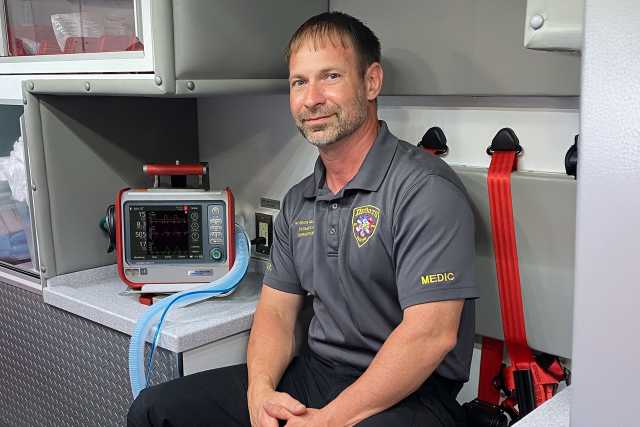
Weil der HAMILTON-T1 auch nichtinvasive Modi bietet, konnte ich bereits viele Intubationen abwenden, Risiken für die Patienten senken und Behandlungsergebnisse verbessern. In den 8 Jahren, die ich den HAMILTON-T1 nun schon verwende, musste ich nur einmal einen Patienten intubieren, der bei Beginn der Versorgung ein NIV-Kandidat war.

Gordon Miller

Aufsicht und Schulung
DeSoto Parish EMS, Mansfield (LA), USA

Praktische Verbrauchsmaterialien

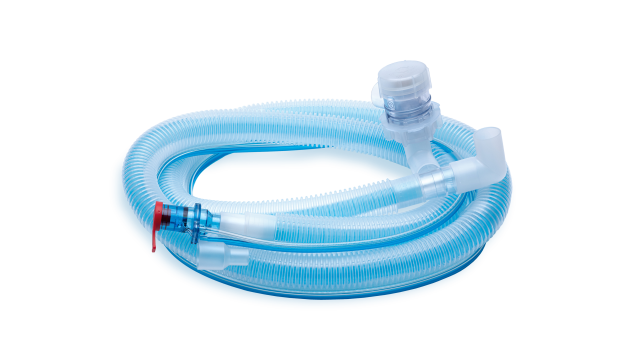
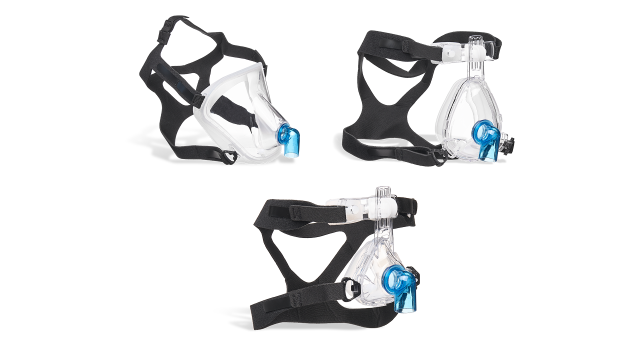
Notwendige Verbrauchsmaterialien zum Betrieb Ihres Beatmungsgerätes

Die notwendigen Verbrauchsmaterialien von Hamilton Medical wurden für die optimale Performance im Einsatz mit unseren Beatmungsgeräten entwickelt. Um maximale Kundenzufriedenheit und Patientensicherheit sicherzustellen, haben wir sie nach höchsten Qualitäts- und Sicherheitsstandards für die bequeme Anwendung konzipiert.

Beginnen Sie Ihre Beatmungsgerät-Schulung

""

Den Dreh raus haben! Lernwege und Simulationen

Auf der Lernplattform für den HAMILTON‑EM7 finden Sie übersichtliche Lernwege, damit Sie schnellstmöglich mit Ihrem Beatmungsgerät und seinen Funktionen vertraut werden.

Testen Sie Ihre frisch erworbenen Kenntnisse dann in der sicheren Umgebung unserer VenTrainer-App am virtuellen Patientenmodell.

Unsere Rundum-Services

""

Bereit, wenn Sie es sind. Ihr Partner für die präklinische Transportversorgung

Das engagierte Team für die präklinische Patientenversorgung von Hamilton Medical unterstützt Sie mit umfassenden Services und Supportangeboten rund um die maschinelle Beatmung beim präklinischen Transport.

EMS_Prehospital_Team_Contact_Us

Noch Fragen? Nehmen Sie Kontakt mit uns auf!

Unser Team für die präklinische Beatmung beantwortet gerne Ihre Fragen und unterstützt Sie mit fachkundigem Rat

Fußnoten

  • A. Nicht für alle Märkte verfügbar.
  • C. Transport beatmeter Notfallpatienten vom Hubschrauber zur Notaufnahme
  • c. Nicht für alle Märkte verfügbar.

Referenzen

  1. 1. Hilbert-Carius, P., Struck, M.F., Hofer, V. et al. Nutzung des Hubschrauber-Respirators vom Landeplatz zum Zielort im Krankenhaus. Notfall Rettungsmed 23, 106–112 (2020).
  2. 100. Dhand R. New frontiers in aerosol delivery during mechanical ventilation. Respir Care. 2004;49(6):666-677.
  3. 103. Atakul G, Ceylan G, Sandal O, et al. Closed-loop oxygen usage during invasive mechanical ventilation of pediatric patients (CLOUDIMPP): a randomized controlled cross-over study. Front Med (Lausanne). 2024;11:1426969. Published 2024 Sep 10. doi:10.3389/fmed.2024.1426969
  4. 104. Trottier M, Bouchard PA, L'Her E, Lellouche F. Automated Oxygen Titration During CPAP and Noninvasive Ventilation in Healthy Subjects With Induced Hypoxemia. Respir Care. 2023;68(11):1553-1560. doi:10.4187/respcare.09866
  5. 105. Roca O, Caritg O, Santafé M, et al. Closed-loop oxygen control improves oxygen therapy in acute hypoxemic respiratory failure patients under high flow nasal oxygen: a randomized cross-over study (the HILOOP study). Crit Care. 2022;26(1):108. Published 2022 Apr 14. doi:10.1186/s13054-022-03970-w
  6. 106. Arnal JM, Garnero A, Novotni D, et al. Closed loop ventilation mode in Intensive Care Unit: a randomized controlled clinical trial comparing the numbers of manual ventilator setting changes. Minerva Anestesiol. 2018;84(1):58-67. doi:10.23736/S0375-9393.17.11963-2
  7. 107. Bialais E, Wittebole X, Vignaux L, et al. Closed-loop ventilation mode (IntelliVent®-ASV) in intensive care unit: a randomized trial. Minerva Anestesiol. 2016;82(6):657-668.
  8. 108. Blanch L, Romero PV, Lucangelo U. Volumetric capnography in the mechanically ventilated patient. Minerva Anestesiol. 2006;72(6):577-585.

Nutzung des Hubschrauber-Respirators vom Landeplatz zum Zielort im Krankenhaus Sekundäranalyse der HOVER-Umfrage zu beatmeten Notfallpatienten in der Luftrettung

Hilbert-Carius, P., Struck, M.F., Hofer, V. et al. Nutzung des Hubschrauber-Respirators vom Landeplatz zum Zielort im Krankenhaus. Notfall Rettungsmed 23, 106–112 (2020).

New frontiers in aerosol delivery during mechanical ventilation.

Dhand R. New frontiers in aerosol delivery during mechanical ventilation. Respir Care. 2004;49(6):666-677.

The scientific basis for inhalation therapy in mechanically-ventilated patients is now firmly established. A variety of new devices that deliver drugs to the lung with high efficiency could be employed for drug delivery during mechanical ventilation. Encapsulation of drugs within liposomes could increase the amount of drug delivered, prolong the effect of a dose, and minimize adverse effects. With improved inhalation devices and surfactant formulations, inhaled surfactant could be employed for several indications in mechanically-ventilated patients. Research is unraveling the causes of some disorders that have been poorly understood, and our improved understanding of the causal mechanisms of various respiratory disorders will provide new applications for inhaled therapies.

Closed-loop oxygen usage during invasive mechanical ventilation of pediatric patients (CLOUDIMPP): a randomized controlled cross-over study.

Atakul G, Ceylan G, Sandal O, et al. Closed-loop oxygen usage during invasive mechanical ventilation of pediatric patients (CLOUDIMPP): a randomized controlled cross-over study. Front Med (Lausanne). 2024;11:1426969. Published 2024 Sep 10. doi:10.3389/fmed.2024.1426969

BACKGROUND The aim of this study is the evaluation of a closed-loop oxygen control system in pediatric patients undergoing invasive mechanical ventilation (IMV). METHODS Cross-over, multicenter, randomized, single-blind clinical trial. Patients between the ages of 1 month and 18 years who were undergoing IMV therapy for acute hypoxemic respiratory failure (AHRF) were assigned at random to either begin with a 2-hour period of closed-loop oxygen control or manual oxygen titrations. By using closed-loop oxygen control, the patients' SpO2 levels were maintained within a predetermined target range by the automated adjustment of the FiO2. During the manual oxygen titration phase of the trial, healthcare professionals at the bedside made manual changes to the FiO2, while maintaining the same target range for SpO2. Following either period, the patient transitioned to the alternative therapy. The outcomes were the percentage of time spent in predefined SpO2 ranges ±2% (primary), FiO2, total oxygen use, and the number of manual adjustments. FINDINGS The median age of included 33 patients was 17 (13-55.5) months. In contrast to manual oxygen titrations, patients spent a greater proportion of time within a predefined optimal SpO2 range when the closed-loop oxygen controller was enabled (95.7% [IQR 92.1-100%] vs. 65.6% [IQR 41.6-82.5%]), mean difference 33.4% [95%-CI 24.5-42%]; P < 0.001). Median FiO2 was lower (32.1% [IQR 23.9-54.1%] vs. 40.6% [IQR 31.1-62.8%]; P < 0.001) similar to total oxygen use (19.8 L/h [IQR 4.6-64.8] vs. 39.4 L/h [IQR 16.8-79]; P < 0.001); however, median SpO2/FiO2 was higher (329.4 [IQR 180-411.1] vs. 246.7 [IQR 151.1-320.5]; P < 0.001) with closed-loop oxygen control. With closed-loop oxygen control, the median number of manual adjustments reduced (0.0 [IQR 0.0-0.0] vs. 1 [IQR 0.0-2.2]; P < 0.001). CONCLUSION Closed-loop oxygen control enhances oxygen therapy in pediatric patients undergoing IMV for AHRF, potentially leading to more efficient utilization of oxygen. This technology also decreases the necessity for manual adjustments, which could reduce the workloads of healthcare providers. CLINICAL TRIAL REGISTRATION This research has been submitted to ClinicalTrials.gov (NCT05714527).

Automated Oxygen Titration During CPAP and Noninvasive Ventilation in Healthy Subjects With Induced Hypoxemia.

Trottier M, Bouchard PA, L'Her E, Lellouche F. Automated Oxygen Titration During CPAP and Noninvasive Ventilation in Healthy Subjects With Induced Hypoxemia. Respir Care. 2023;68(11):1553-1560. doi:10.4187/respcare.09866

BACKGROUND Automated oxygen titration to maintain a stable SpO2 has been developed for spontaneously breathing patients but has not been evaluated during CPAP and noninvasive ventilation (NIV). METHODS We performed a randomized controlled crossover, double-blind study on 10 healthy subjects with induced hypoxemia during 3 situations: spontaneous breathing with oxygen support, CPAP (5 cm H2O), and NIV (7/3 cm H2O). We conducted in random order 3 dynamic hypoxic challenges of 5 min (FIO2 0.08 ± 0.02, 0.11± 0.02, and 0.14 ± 0.02). For each condition, we compared automated oxygen titration and manual oxygen titration by experienced respiratory therapists (RTs), with the aim to maintain the SpO2 at 94 ± 2%. In addition, we included 2 subjects hospitalized for exacerbation of COPD under NIV and a subject managed after bariatric surgery with CPAP and automated oxygen titration. RESULTS The percentage of time in the SpO2 target was higher with automated compared with manual oxygen titration for all conditions, on average 59.6 ± 22.8% compared to 44.3 ± 23.9% (P = .004). Hyperoxemia (SpO2 > 96%) was less frequent with automated titration for each mode of oxygen administration (24.0 ± 24.4% vs 39.1 ± 25.3%, P < .001). During the manual titration periods, the RT made several changes to oxygen flow (5.1 ± 3.3 interventions that lasted 122 ± 70 s/period) compared to none during the automated titration to maintain oxygenation in the targeted SpO2 . Time in the SpO2 target was higher with stable hospitalized subjects in comparison with healthy subjects under dynamic-induced hypoxemia. CONCLUSIONS In this proof-of-concept study, automated oxygen titration was used during CPAP and NIV. The performances to maintain the SpO2 target were significantly better compared to manual oxygen titration in the setting of this study protocol. This technology may allow decreasing the number of manual interventions for oxygen titration during CPAP and NIV.

Closed-loop oxygen control improves oxygen therapy in acute hypoxemic respiratory failure patients under high flow nasal oxygen: a randomized cross-over study (the HILOOP study).

Roca O, Caritg O, Santafé M, et al. Closed-loop oxygen control improves oxygen therapy in acute hypoxemic respiratory failure patients under high flow nasal oxygen: a randomized cross-over study (the HILOOP study). Crit Care. 2022;26(1):108. Published 2022 Apr 14. doi:10.1186/s13054-022-03970-w

BACKGROUND We aimed to assess the efficacy of a closed-loop oxygen control in critically ill patients with moderate to severe acute hypoxemic respiratory failure (AHRF) treated with high flow nasal oxygen (HFNO). METHODS In this single-centre, single-blinded, randomized crossover study, adult patients with moderate to severe AHRF who were treated with HFNO (flow rate ≥ 40 L/min with FiO2 ≥ 0.30) were randomly assigned to start with a 4-h period of closed-loop oxygen control or 4-h period of manual oxygen titration, after which each patient was switched to the alternate therapy. The primary outcome was the percentage of time spent in the individualized optimal SpO2 range. RESULTS Forty-five patients were included. Patients spent more time in the optimal SpO2 range with closed-loop oxygen control compared with manual titrations of oxygen (96.5 [93.5 to 98.9] % vs. 89 [77.4 to 95.9] %; p < 0.0001) (difference estimate, 10.4 (95% confidence interval 5.2 to 17.2). Patients spent less time in the suboptimal range during closed-loop oxygen control, both above and below the cut-offs of the optimal SpO2 range, and less time above the suboptimal range. Fewer number of manual adjustments per hour were needed with closed-loop oxygen control. The number of events of SpO2 < 88% and < 85% were not significantly different between groups. CONCLUSIONS Closed-loop oxygen control improves oxygen administration in patients with moderate-to-severe AHRF treated with HFNO, increasing the percentage of time in the optimal oxygenation range and decreasing the workload of healthcare personnel. These results are especially relevant in a context of limited oxygen supply and high medical demand, such as the COVID-19 pandemic. Trial registration The HILOOP study was registered at www. CLINICALTRIALS gov under the identifier NCT04965844 .

Closed loop ventilation mode in Intensive Care Unit: a randomized controlled clinical trial comparing the numbers of manual ventilator setting changes.

Arnal JM, Garnero A, Novotni D, et al. Closed loop ventilation mode in Intensive Care Unit: a randomized controlled clinical trial comparing the numbers of manual ventilator setting changes. Minerva Anestesiol. 2018;84(1):58-67. doi:10.23736/S0375-9393.17.11963-2

BACKGROUND There is an equipoise regarding closed-loop ventilation modes and the ability to reduce workload for providers. On one hand some settings are managed by the ventilator but on another hand the automatic mode introduces new settings for the user. METHODS This randomized controlled trial compared the number of manual ventilator setting changes between a full closed loop ventilation and oxygenation mode (INTELLiVENT-ASV®) and conventional ventilation modes (volume assist control and pressure support) in Intensive Care Unit (ICU) patients. The secondary endpoints were to compare the number of arterial blood gas analysis, the sedation dose and the user acceptance. Sixty subjects with an expected duration of mechanical ventilation of at least 48 hours were randomized to be ventilated using INTELLiVENT-ASV® or conventional modes with a protocolized weaning. All manual ventilator setting changes were recorded continuously from inclusion to successful extubation or death. Arterial blood gases were performed upon decision of the clinician in charge. User acceptance score was assessed for nurses and physicians once daily using a Likert Scale. RESULTS The number of manual ventilator setting changes per 24 h-period per subject was lower in INTELLiVENT-ASV® as compared to conventional ventilation group (5 [4-7] versus 10 [7-17]) manuals settings per subject per day [P<0.001]). The number of arterial blood gas analysis and the sedation doses were not significantly different between the groups. Nurses and physicians reported that INTELLiVENT-ASV® was significantly easier to use as compared to conventional ventilation (P<0.001 for nurses and P<0.01 for physicians). CONCLUSIONS For mechanically ventilated ICU patients, INTELLiVENT-ASV® significantly reduces the number of manual ventilator setting changes with the same number of arterial blood gas analysis and sedation dose, and is easier to use for the caregivers as compared to conventional ventilation modes.

Closed-loop ventilation mode (IntelliVent®-ASV) in intensive care unit: a randomized trial.

Bialais E, Wittebole X, Vignaux L, et al. Closed-loop ventilation mode (IntelliVent®-ASV) in intensive care unit: a randomized trial. Minerva Anestesiol. 2016;82(6):657-668.

BACKGROUND Closed-loop modes automatically adjust ventilation settings, delivering individualized ventilation over short periods of time. The objective of this randomized controlled trial was to compare safety, efficacy and workload for the health care team between IntelliVent®-ASV and conventional modes over a 48-hour period. METHODS ICU patients admitted with an expected duration of mechanical ventilation of more than 48 hours were randomized to IntelliVent®-ASV or conventional ventilation modes. All ventilation parameters were recorded breath-by-breath. The number of manual adjustments assesses workload for the healthcare team. Safety and efficacy were assessed by calculating the time spent within previously defined ranges of non-optimal and optimal ventilation, respectively. RESULTS Eighty patients were analyzed. The median values of ventilation parameters over 48 hours were similar in both groups except for PEEP (7[4] cmH2O versus 6[3] cmH2O with IntelliVent®-ASV and conventional ventilation, respectively, P=0.028) and PETCO2 (36±7 mmHg with IntelliVent®-ASV versus 40±8 mmHg with conventional ventilation, P=0.041). Safety was similar between IntelliVent®-ASV and conventional ventilation for all parameters except for PMAX, which was more often non-optimal with IntelliVent®-ASV (P=0.001). Efficacy was comparable between the 2 ventilation strategies, except for SpO2 and VT, which were more often optimal with IntelliVent®-ASV (P=0.005, P=0.016, respectively). IntelliVent®-ASV required less manual adjustments than conventional ventilation (P<0.001) for a higher total number of adjustments (P<0.001). The coefficient of variation over 48 hours was larger with IntelliVent®-ASV in regard of maximum pressure, inspiratory pressure (PINSP), and PEEP as compared to conventional ventilation. CONCLUSIONS IntelliVent®-ASV required less manual intervention and delivered more variable PEEP and PINSP, while delivering ventilation safe and effective ventilation in terms of VT, RR, SpO2 and PETCO2.

Volumetric capnography in the mechanically ventilated patient.

Blanch L, Romero PV, Lucangelo U. Volumetric capnography in the mechanically ventilated patient. Minerva Anestesiol. 2006;72(6):577-585.

Expiratory capnogram provides qualitative information on the waveform patterns associated with mechanical ventilation and quantitative estimation of expired CO2. Volumetric capnography simultaneously measures expired CO2 and tidal volume and allows identification of CO2 from 3 sequential lung compartments: apparatus and anatomic dead space, from progressive emptying of alveoli and alveolar gas. Lung heterogeneity creates regional differences in CO2 concentration and sequential emptying contributes to the rise of the alveolar plateau and to the steeper the expired CO2 slope. The concept of dead space accounts for those lung areas that are ventilated but not perfused. In patients with sudden pulmonary vascular occlusion due to pulmonary embolism, the resultant high V/Q mismatch produces an increase in alveolar dead space. Calculations derived from volumetric capnography are useful to suspect pulmonary embolism at the bedside. Alveolar dead space is large in acute lung injury and when the effect of positive end-expiratory pressure (PEEP) is to recruit collapsed lung units resulting in an improvement of oxygenation, alveolar dead space may decrease, whereas PEEP-induced overdistension tends to increase alveolar dead space. Finally, measurement of physiologic dead space and alveolar ejection volume at admission or the trend during the first 48 hours of mechanical ventilation might provide useful information on outcome of critically ill patients with acute lung injury or acute respiratory distress syndrome.