




Session expired

Due to inactivity your session has expired. Please login again.

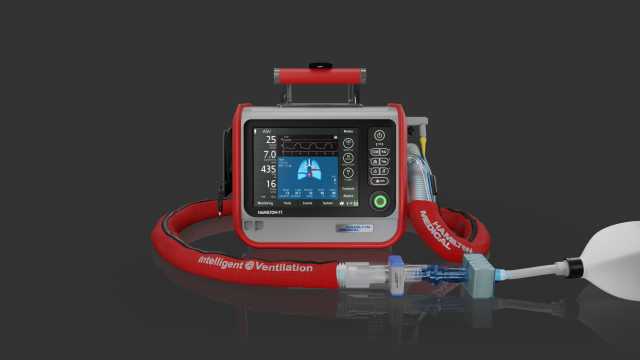
HAMILTON-T1:

ventilazione affidabile per il trasporto in terapia intensiva

HAMILTON-T1

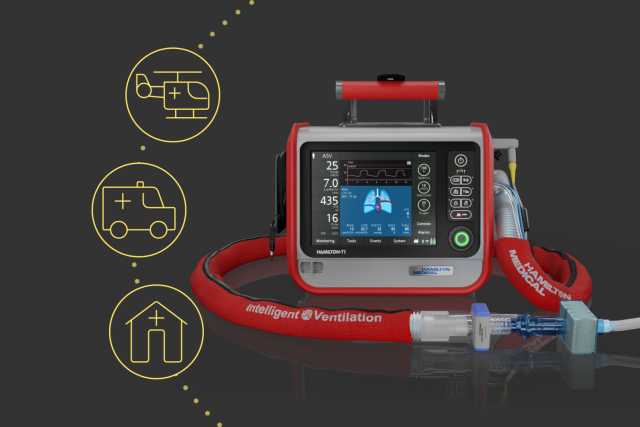
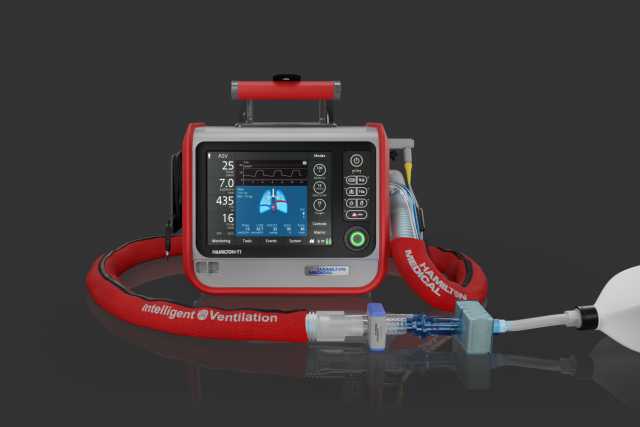
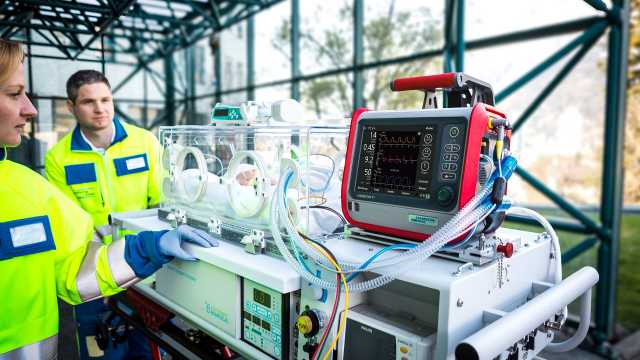
Lo specialista del trasporto! Dai neonati agli adulti

  • Ventilatore per terapia intensiva per il trasporto dotato di tutte le funzioni
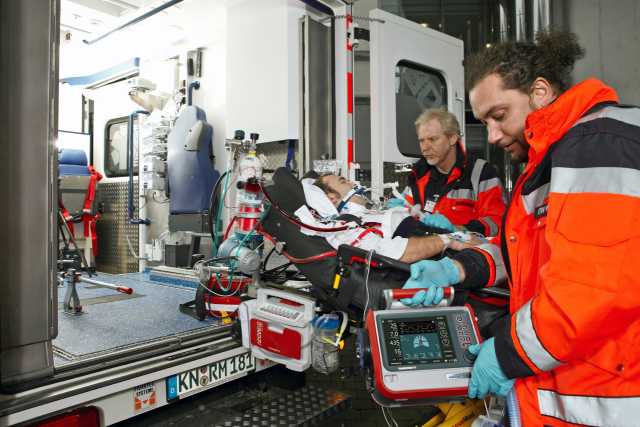
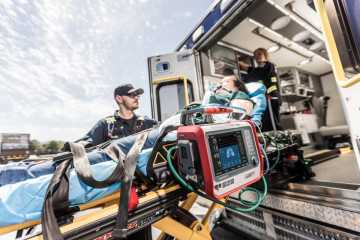
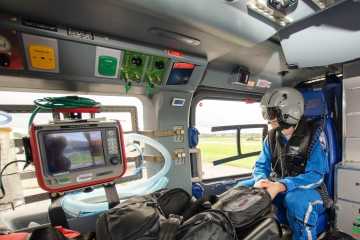
  • Approvato per il trasporto via terra, via aria e via acqua
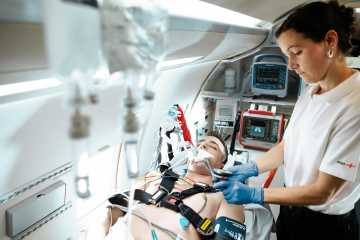
  • All'interno e all'esterno dell'ospedale
HAMILTON-T1
HAMILTON-T1

Lo specialista del trasporto! Dai neonati agli adulti

  • Ventilatore per terapia intensiva per il trasporto dotato di tutte le funzioni
  • Approvato per il trasporto via terra, via aria e via acqua
  • All'interno e all'esterno dell'ospedale
HAMILTON-T1

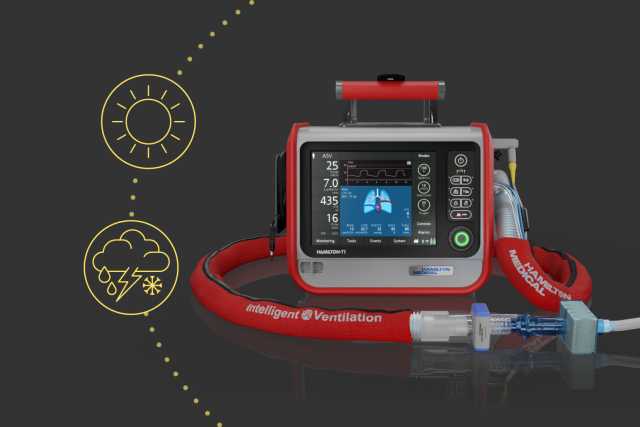
Sopravvive chi si adatta: anche alle condizioni più estreme

  • Temperature comprese fra -15 °C e +50 °C
  • Protezione in ingresso IP54
  • Altitudine fino a 7620 metri
  • Involucro robusto e rinforzato a prova di urti e vibrazioni
  • Schermo antiriflesso e antiurto
HAMILTON-T1

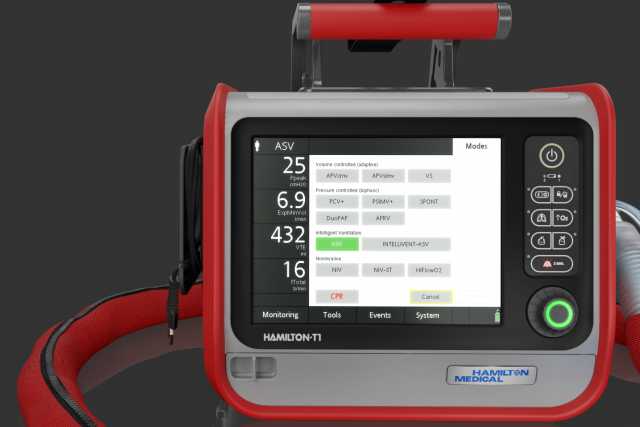
Terapia di ventilazione continua: con le modalità e impostazioni usate al posto letto

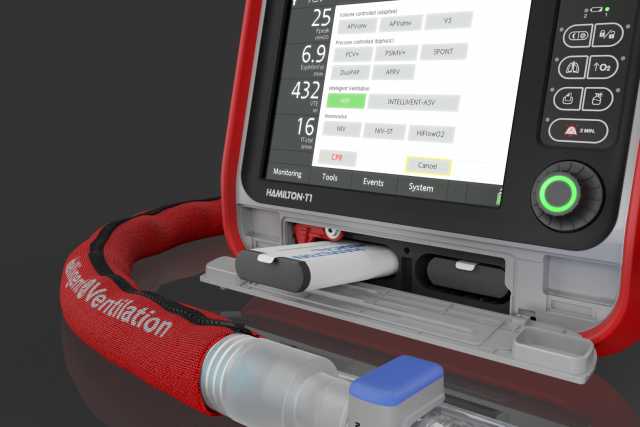
  • Modalità di ventilazione a target di volume e a pressione controllata
  • Ventilazione adattiva con ASV® e INTELLiVENT®-ASV
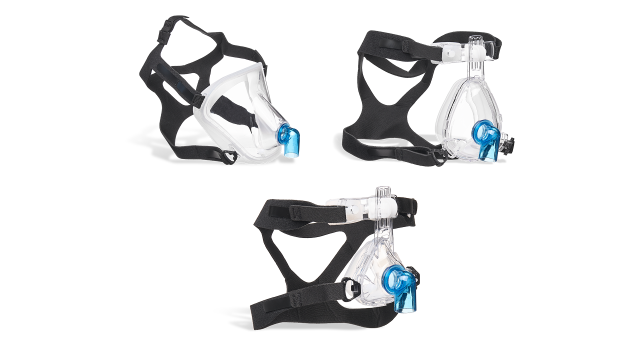
  • Ventilazione non invasiva
  • Terapia ad alto flusso con cannula nasale
HAMILTON-T1

Indipendente e fiero di esserlo: a batteria e senza necessità di aria compressa

  • Turbina ad alte prestazioni
  • Una batteria integrata e una sostituibile a caldo
  • Connettore aggiuntivo per ossigeno a bassa pressione
HAMILTON-T1

La comunicazione è essenziale: il meglio della connettività

Schede di comunicazione opzionali per:

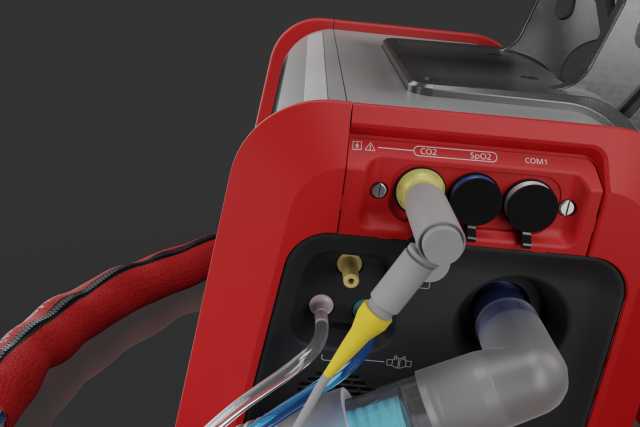
  • Sensori di SpO2 e/o CO2
  • Chiamata infermiere
  • PDMS
  • HAMILTON-H900
  • RS232
HAMILTON-T1

Aree di utilizzo

Buono a sapersi!

""

Pronti all'azione: specifiche per ogni esigenza

  • Dimensioni (L × P × A):
    320 × 220 × 270 mm (unità di ventilazione)
    630 × 630 × 1380 mm (senza maniglia)
    630 × 630 × 1433 mm (con maniglia)

  • Peso:

    6,5 kg

  • Autonomia: 4 ore con una batteria/8 ore con due batterie

  • Batteria sostituibile a caldo opzionale

  • Tutti i ventilatori per il trasporto di Hamilton Medical sono dotati di modulo Hamilton Connect.

  • Un protocollo di interfaccia appositamente sviluppato consente la connessione Bluetooth di dispositivi di terze parti per il trasferimento di dati dal ventilatore

  • A pressione controllata, a target di volume

  • Intelligent Ventilation: ASV®, INTELLiVENT®‑ASV® (Non disponibile in tutti i mercatiA​), O2 assist (Non disponibile in tutti i mercatiA​)

  • Modalità non invasive (opzioneB)

  • Terapia con ossigeno ad alto flusso (opzioneB)

  • Visualizzazione della meccanica polmonare (PolmDin)

  • Visualizzazione della dipendenza del paziente dal ventilatore

  • Capnografia volumetrica (opzioneB)

  • Monitoraggio SpO2 (opzioneB)

Per saperne di più:
ecco il modello 3D

Permette di vedere l'HAMILTON-T1 da ogni angolazione e per avere maggiori informazioni basta fare clic sui punti di interesse.

Grafico a torta che mostra come il 71% delle organizzazioni di elisoccorso (in Germania, Austria, Svizzera, Italia e Lussemburgo) abbia scelto l'HAMILTON T1 come ventilatore per il trasporto di terapia intensiva

Il più gettonato: scelto dal 71% dei servizi di elisoccorso

Secondo i risultati del sondaggio HOVER ("Handover of ventilated Helicopter Emergency Services [HEMS] patients in the emergency room", relativo al trasferimento dei pazienti ventilati al pronto soccorso tramite servizi sanitari di emergenza con elicottero [HEMS]C), condotto online coinvolgendo le organizzazioni di elisoccorso attive in Germania, Austria, Svizzera, Italia e Lussemburgo, il 71% delle organizzazioni di questo tipo ha scelto l'HAMILTON-T1 come ventilatore per il trasporto in terapia intensiva (Hilbert-Carius, P., Struck, M.F., Hofer, V. et al. Nutzung des Hubschrauber-Respirators vom Landeplatz zum Zielort im Krankenhaus. Notfall Rettungsmed 23, 106–112 (2020). 1​).


Funzionalità intelligenti per semplificare il flusso di lavoro

Terapia con O2: ossigenazione sul campo

La terapia con O2 è uno strumento prezioso nei contesti preospedalieri, in grado di migliorare l'ossigenazione dei pazienti che ne hanno bisogno senza dover intubare.

Questa opzione consente di intervenire con una preossigenazione precisa ed efficace anche sul campo.

Nebulizzatore pneumatico: utile per i trattamenti aggiuntivi

L'erogazione di farmaci nebulizzati a creare un aerosol contribuisce a contrastare il broncospasmo, ad aumentare l'efficienza della ventilazione e a ridurre l'ipercapnia (Dhand R. New frontiers in aerosol delivery during mechanical ventilation. Respir Care. 2004;49(6):666-677. 100​). 

Ventilazione non invasiva: la prima linea di difesa

Scegliete tra la modalità NIV, NIV-ST (Disponibile solo per HAMILTON-T1a) o CPAP (Disponibile solo per HAMILTON-EM7b) per adattare la ventilazione a diverse situazioni e garantire al paziente il massimo comfort.

Rispetto ai ventilatori che utilizzano l'aria compressa, i nostri ventilatori a turbina sono in grado di fornire flussi di picco maggiori. In questo modo le prestazioni restano ottimali anche in presenza di perdite consistenti.

Ventilazione per CPR: pensate alla rianimazione, non al ventilatore

Concentrazione, velocità e precisione sono imprescindibili nei momenti critici, quando le distrazioni devono essere minime. La modalità di ventilazione per CPR adatta le impostazioni del ventilatore alle situazioni in cui si esegue la rianimazione cardiopolmonare, rispettando le linee guida internazionali (Del Rios M, Bartos JA, Panchal AR, Atkins DL, Cabanas JG, Cao D, Dainty KN, Dezfulian C, Donoghue AJ, Drennan IR, Elmer J, Hirsch KG, Idris AH, Joyner BL, Kamath-Rayne BD, Kleinman ME, Kurz MC, Lasa JJ, Lee HC, McBride ME, Raymond TT, Rittenberger, JC, Schexnayder SM, Szyld E, Topjian A, Wigginton JG, Previdi JK. Part 1: executive summary: 2025 American Heart Association Guidelines for Cardiopulmonary Resuscitation and Emergency Cardiovascular Care. Circulation. 2025;152(suppl):S284–S312. doi: 10.1161/CIR.0000000000001372 101​, Greif R, Lauridsen KG, Djärv T, et al. European Resuscitation Council Guidelines 2025 Executive Summary. Resuscitation. 2025;215 Suppl 1:110770. doi:10.1016/j.resuscitation.2025.110770102).

Supporta il personale di soccorso consentendo l'accesso rapido a impostazioni preconfigurabili, regolazioni adeguate di allarmi e trigger e timer della CPR su schermo.

Capnografia basata sui tempi: per decisioni informate

La capnografia permette un monitoraggio continuo della etCO2 allo scopo di valutare in tempo reale l'efficacia della ventilazione, l'integrità delle vie aeree e lo stato del paziente.

Fornisce un feedback immediato durante l'erogazione del supporto respiratorio, la gestione dell'arresto cardiaco e il trasporto, rendendo più semplice prendere decisioni basate sui dati.

ASV – Adaptive Support Ventilation®: un supporto per voi e per i vostri pazienti

L'ASV è una modalità di ventilazione adattiva che regola continuamente le impostazioni della ventilazione in base alla meccanica polmonare e allo sforzo respiratorio del paziente.

Contribuisce a semplificare la ventilazione per le squadre che trasportano i pazienti nel contesto preospedaliero grazie a una modalità adatta sia ai pazienti attivi sia a quelli passivi intubati che utilizza solo tre parametri per il controllo di ossigenazione ed eliminazione della CO2.

O2 assist: titolazione dell'O2 più intelligente nei contesti preospedalieri

O2 assist (Non disponibile in tutti i mercatic) è una tecnologia di gestione dell'ossigeno avanzata progettata per ottimizzarne l'erogazione, anche durante il trasporto.

Regolando in modo continuo l'apporto di ossigeno, O2 assist mantiene la SpO2 del paziente entro l'intervallo target impostato. Riduce quindi sia gli sprechi di ossigeno (Atakul G, Ceylan G, Sandal O, et al. Closed-loop oxygen usage during invasive mechanical ventilation of pediatric patients (CLOUDIMPP): a randomized controlled cross-over study. Front Med (Lausanne). 2024;11:1426969. Published 2024 Sep 10. doi:10.3389/fmed.2024.1426969103​, Trottier M, Bouchard PA, L'Her E, Lellouche F. Automated Oxygen Titration During CPAP and Noninvasive Ventilation in Healthy Subjects With Induced Hypoxemia. Respir Care. 2023;68(11):1553-1560. doi:10.4187/respcare.09866104​) sia la necessità di interventi manuali (Roca O, Caritg O, Santafé M, et al. Closed-loop oxygen control improves oxygen therapy in acute hypoxemic respiratory failure patients under high flow nasal oxygen: a randomized cross-over study (the HILOOP study). Crit Care. 2022;26(1):108. Published 2022 Apr 14. doi:10.1186/s13054-022-03970-w105​).

Pannello PolmDin: tutto chiaro a colpo d'occhio

Il pannello PolmDin (Polmone Dinamico) trasforma i dati di monitoraggio in una rappresentazione grafica facilmente interpretabile.

In un'unica immagine sono visualizzate compliance, resistenza, SpO2, frequenza del polso e attività respiratoria spontanea del paziente.

Opzione per l'uso con occhiali per la visione notturna: il buio non è più un problema

Grazie all'opzione per l'uso con occhiali per la visione notturna (NVG), è possibile usare il ventilatore in modo sicuro anche al buio, senza limitare la visibilità del pilota né interferire con dispositivi per la visione notturna.

Basta un tocco per regolare la luminosità dello schermo a un livello appropriato per l'uso con occhiali per la visione notturna.

INTELLiVENT®-ASV®: un assistente sempre con voi

La nostra modalità di ventilazione intelligente INTELLiVENT-ASV (Non disponibile in tutti i mercatic) va un passo oltre rispetto all'ASV, permettendovi di supervisionare la situazione invece di perdere tempo con le regolazioni.

Riduce la quantità di interazioni manuali necessarie con il ventilatore (Arnal JM, Garnero A, Novotni D, et al. Closed loop ventilation mode in Intensive Care Unit: a randomized controlled clinical trial comparing the numbers of manual ventilator setting changes. Minerva Anestesiol. 2018;84(1):58-67. doi:10.23736/S0375-9393.17.11963-2106​) e vi consente di garantire ai pazienti una ventilazione con protezione polmonare (Bialais E, Wittebole X, Vignaux L, et al. Closed-loop ventilation mode (IntelliVent®-ASV) in intensive care unit: a randomized trial. Minerva Anestesiol. 2016;82(6):657-668. 107).

Saturimetria: la SpO2 non ha più segreti

L'opzione SpO2 permette la misurazione integrata non invasiva della SpO2 con comoda visualizzazione dei dati direttamente sul ventilatore.
Permette quindi di individuare l'eventuale ipossiemia e valutare l'efficacia della terapia con ossigeno durante il trasporto.

Per i pazienti che hanno inalato fumi, la misurazione della SpCO mediante la tecnologia Masimo rainbow raccoglie in modo non invasivo i dati sulla carbossiemoglobina per consentire decisioni informate in fase di triage.

Capnografia volumetrica: per un'assistenza preospedaliera di alto livello

La capnografia volumetrica fornisce continuamente informazioni sulla ventilazione e sulla perfusione tramite la misurazione della CO2 nell'arco dell'intera espirazione, permettendo di individuare più facilmente e in tempo reale eventuali variazioni di ostruzioni delle vie aeree, efficienza della ventilazione o stato della perfusione (Blanch L, Romero PV, Lucangelo U. Volumetric capnography in the mechanically ventilated patient. Minerva Anestesiol. 2006;72(6):577-585. 108).

È quindi una risorsa particolarmente utile durante il trasporto dei pazienti, quando le condizioni cliniche possono cambiare in fretta ed è cruciale avere immediatamente a disposizione i dati necessari per intervenire.

Loop e trend configurabili: per avere tutto sotto controllo

Nella ventilazione meccanica, loop e trend forniscono informazioni in tempo reale sullo stato respiratorio del paziente per consentire di identificare rapidamente problemi come l'ostruzione delle vie aeree o l'asincronia tra paziente e ventilatore.

Questo consente una regolazione precisa della ventilazione durante il trasporto e favorisce esiti migliori e un'assistenza più sicura nei contesti dinamici dell'assistenza preospedaliera.

Modalità nCPAP: un supporto specializzato per i più piccoli

Con la modalità nCPAP, anche i pazienti più piccoli sono supportati nella respirazione con una pressione positiva continua delle vie aeree. L'aggiunta della nCPAP a un ventilatore per il trasporto vi consente di avere a disposizione un ventaglio più ampio di strumenti per gestire il supporto respiratorio neonatale come richiesto dalle attuali best practice.

Gordon Miller

Cosa dicono i clienti

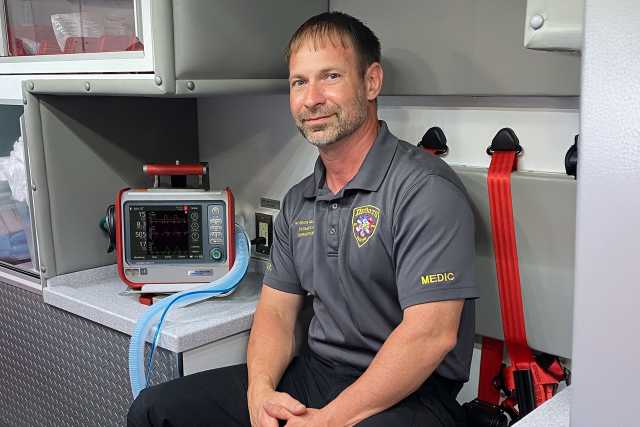
Avendo a disposizione le modalità non invasive sull'HAMILTON-T1 sono riuscito a evitare molte intubazioni, a ridurre il rischio per i pazienti e a migliorarne gli esiti. In 8 anni di utilizzo dell'HAMILTON-T1, ho dovuto intubare solo un paziente tra quelli candidati per la NIV all'inizio del percorso di assistenza.

Gordon Miller

Supervisore e Responsabile formazione
DeSoto Parish EMS, Mansfield (LA), USA

Prodotti di consumo convenienti

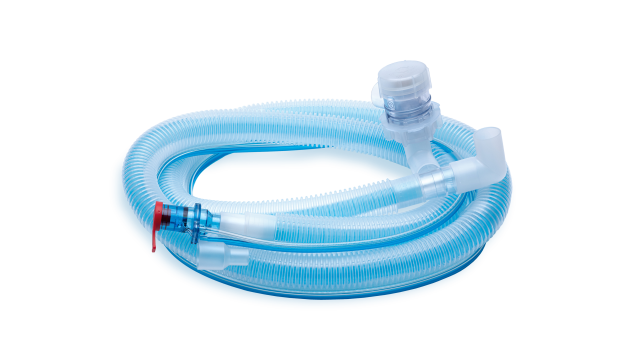
I prodotti di consumo essenziali per usare il ventilatore

Tutti i prodotti di consumo essenziali di Hamilton Medical sono pensati per ottenere prestazioni ottimali con i nostri ventilatori. Per garantire la massima soddisfazione dell'utente e tutelare al meglio il paziente, li progettiamo secondo i più elevati standard di qualità e sicurezza.

Per imparare a usare il ventilatore

""

È ora di metter mano al ventilatore: percorsi di formazione e simulazioni

L'hub per la formazione sull'HAMILTON‑T1 propone percorsi di apprendimento semplici da seguire per imparare a conoscere il ventilatore e le tecnologie integrate il più rapidamente possibile.

Successivamente, è possibile mettere alla prova le competenze appena acquisite in un ambiente sicuro utilizzando il modello di paziente virtuale nell'app VenTrainer.

I nostri servizi a 360°

""

Sempre pronti: al vostro fianco per il trasporto nei contesti preospedalieri

Il team dedicato al contesto preospedaliero di Hamilton Medical nasce per fornire una gamma completa di servizi e assistenza riguardo alla ventilazione meccanica per il trasporto nei contesti preospedalieri.

EMS_Prehospital-team_Contact-us

Domande? Contattateci

Il nostro team dedicato al contesto preospedaliero sarà felice di rispondere a ogni domanda e fornire una consulenza specialistica.

Note

  • A. Non disponibile in tutti i mercati
  • B. Opzionale per l'HAMILTON-T1
  • C. Trasferimento di pazienti ventilati tra servizi di elisoccorso (HEMS) e reparti di pronto soccorso
  • a. Disponibile solo per l'HAMILTON-T1
  • b. Disponibile solo per l'HAMILTON-EM7
  • c. Non disponibile in tutti i mercati

Bibliografia

  1. 1. Hilbert-Carius, P., Struck, M.F., Hofer, V. et al. Nutzung des Hubschrauber-Respirators vom Landeplatz zum Zielort im Krankenhaus. Notfall Rettungsmed 23, 106–112 (2020).
  2. 100. Dhand R. New frontiers in aerosol delivery during mechanical ventilation. Respir Care. 2004;49(6):666-677.
  3. 101. Del Rios M, Bartos JA, Panchal AR, Atkins DL, Cabanas JG, Cao D, Dainty KN, Dezfulian C, Donoghue AJ, Drennan IR, Elmer J, Hirsch KG, Idris AH, Joyner BL, Kamath-Rayne BD, Kleinman ME, Kurz MC, Lasa JJ, Lee HC, McBride ME, Raymond TT, Rittenberger, JC, Schexnayder SM, Szyld E, Topjian A, Wigginton JG, Previdi JK. Part 1: executive summary: 2025 American Heart Association Guidelines for Cardiopulmonary Resuscitation and Emergency Cardiovascular Care. Circulation. 2025;152(suppl):S284–S312. doi: 10.1161/CIR.0000000000001372
  4. 102. Greif R, Lauridsen KG, Djärv T, et al. European Resuscitation Council Guidelines 2025 Executive Summary. Resuscitation. 2025;215 Suppl 1:110770. doi:10.1016/j.resuscitation.2025.110770
  5. 103. Atakul G, Ceylan G, Sandal O, et al. Closed-loop oxygen usage during invasive mechanical ventilation of pediatric patients (CLOUDIMPP): a randomized controlled cross-over study. Front Med (Lausanne). 2024;11:1426969. Published 2024 Sep 10. doi:10.3389/fmed.2024.1426969
  6. 104. Trottier M, Bouchard PA, L'Her E, Lellouche F. Automated Oxygen Titration During CPAP and Noninvasive Ventilation in Healthy Subjects With Induced Hypoxemia. Respir Care. 2023;68(11):1553-1560. doi:10.4187/respcare.09866
  7. 105. Roca O, Caritg O, Santafé M, et al. Closed-loop oxygen control improves oxygen therapy in acute hypoxemic respiratory failure patients under high flow nasal oxygen: a randomized cross-over study (the HILOOP study). Crit Care. 2022;26(1):108. Published 2022 Apr 14. doi:10.1186/s13054-022-03970-w
  8. 106. Arnal JM, Garnero A, Novotni D, et al. Closed loop ventilation mode in Intensive Care Unit: a randomized controlled clinical trial comparing the numbers of manual ventilator setting changes. Minerva Anestesiol. 2018;84(1):58-67. doi:10.23736/S0375-9393.17.11963-2
  9. 107. Bialais E, Wittebole X, Vignaux L, et al. Closed-loop ventilation mode (IntelliVent®-ASV) in intensive care unit: a randomized trial. Minerva Anestesiol. 2016;82(6):657-668.
  10. 108. Blanch L, Romero PV, Lucangelo U. Volumetric capnography in the mechanically ventilated patient. Minerva Anestesiol. 2006;72(6):577-585.

Nutzung des Hubschrauber-Respirators vom Landeplatz zum Zielort im Krankenhaus Sekundäranalyse der HOVER-Umfrage zu beatmeten Notfallpatienten in der Luftrettung

Hilbert-Carius, P., Struck, M.F., Hofer, V. et al. Nutzung des Hubschrauber-Respirators vom Landeplatz zum Zielort im Krankenhaus. Notfall Rettungsmed 23, 106–112 (2020).

New frontiers in aerosol delivery during mechanical ventilation.

Dhand R. New frontiers in aerosol delivery during mechanical ventilation. Respir Care. 2004;49(6):666-677.

The scientific basis for inhalation therapy in mechanically-ventilated patients is now firmly established. A variety of new devices that deliver drugs to the lung with high efficiency could be employed for drug delivery during mechanical ventilation. Encapsulation of drugs within liposomes could increase the amount of drug delivered, prolong the effect of a dose, and minimize adverse effects. With improved inhalation devices and surfactant formulations, inhaled surfactant could be employed for several indications in mechanically-ventilated patients. Research is unraveling the causes of some disorders that have been poorly understood, and our improved understanding of the causal mechanisms of various respiratory disorders will provide new applications for inhaled therapies.

2025 American Heart Association Guidelines for Cardiopulmonary Resuscitation and Emergency Cardiovascular Care

Del Rios M, Bartos JA, Panchal AR, Atkins DL, Cabanas JG, Cao D, Dainty KN, Dezfulian C, Donoghue AJ, Drennan IR, Elmer J, Hirsch KG, Idris AH, Joyner BL, Kamath-Rayne BD, Kleinman ME, Kurz MC, Lasa JJ, Lee HC, McBride ME, Raymond TT, Rittenberger, JC, Schexnayder SM, Szyld E, Topjian A, Wigginton JG, Previdi JK. Part 1: executive summary: 2025 American Heart Association Guidelines for Cardiopulmonary Resuscitation and Emergency Cardiovascular Care. Circulation. 2025;152(suppl):S284–S312. doi: 10.1161/CIR.0000000000001372

European Resuscitation Council Guidelines 2025 Executive Summary.

Greif R, Lauridsen KG, Djärv T, et al. European Resuscitation Council Guidelines 2025 Executive Summary. Resuscitation. 2025;215 Suppl 1:110770. doi:10.1016/j.resuscitation.2025.110770

The 2025 European Resuscitation Council (ERC) Guidelines present the most up-to-date evidence-based guidelines for the practice of resuscitation across Europe. The ERC Guidelines 2025 are based on evidence produced by the International Liaison Committee on Resuscitation (ILCOR) in the form of systematic reviews, scoping reviews, and evidence updates, published as the ILCOR Consensus on Science with Treatment Recommendations. The certainty of evidence of these ILCOR treatment recommendations was used to issue the ERC Guidelines 2025 Recommendations. In some cases, the ERC made good practice statements when evidence was absent for certain topics. If no ILCOR review was available, the ERC writing groups conducted their own reviews to provide recommendations. The ERC Guidelines 2025 cover the epidemiology of cardiac arrest, the role that systems play in saving lives, adult basic life support, adult advanced life support, resuscitation in special circumstances, post resuscitation care, newborn resuscitation and support of transition of infants at birth, paediatric basic and advanced life support, resuscitation ethics, education for resuscitation, and first aid. These guidelines are a framework of recommendations for the approach to out-of-hospital and in-hospital resuscitation; the implementation is achieved locally taking local legislation and health care regulations into consideration.

Closed-loop oxygen usage during invasive mechanical ventilation of pediatric patients (CLOUDIMPP): a randomized controlled cross-over study.

Atakul G, Ceylan G, Sandal O, et al. Closed-loop oxygen usage during invasive mechanical ventilation of pediatric patients (CLOUDIMPP): a randomized controlled cross-over study. Front Med (Lausanne). 2024;11:1426969. Published 2024 Sep 10. doi:10.3389/fmed.2024.1426969

BACKGROUND The aim of this study is the evaluation of a closed-loop oxygen control system in pediatric patients undergoing invasive mechanical ventilation (IMV). METHODS Cross-over, multicenter, randomized, single-blind clinical trial. Patients between the ages of 1 month and 18 years who were undergoing IMV therapy for acute hypoxemic respiratory failure (AHRF) were assigned at random to either begin with a 2-hour period of closed-loop oxygen control or manual oxygen titrations. By using closed-loop oxygen control, the patients' SpO2 levels were maintained within a predetermined target range by the automated adjustment of the FiO2. During the manual oxygen titration phase of the trial, healthcare professionals at the bedside made manual changes to the FiO2, while maintaining the same target range for SpO2. Following either period, the patient transitioned to the alternative therapy. The outcomes were the percentage of time spent in predefined SpO2 ranges ±2% (primary), FiO2, total oxygen use, and the number of manual adjustments. FINDINGS The median age of included 33 patients was 17 (13-55.5) months. In contrast to manual oxygen titrations, patients spent a greater proportion of time within a predefined optimal SpO2 range when the closed-loop oxygen controller was enabled (95.7% [IQR 92.1-100%] vs. 65.6% [IQR 41.6-82.5%]), mean difference 33.4% [95%-CI 24.5-42%]; P < 0.001). Median FiO2 was lower (32.1% [IQR 23.9-54.1%] vs. 40.6% [IQR 31.1-62.8%]; P < 0.001) similar to total oxygen use (19.8 L/h [IQR 4.6-64.8] vs. 39.4 L/h [IQR 16.8-79]; P < 0.001); however, median SpO2/FiO2 was higher (329.4 [IQR 180-411.1] vs. 246.7 [IQR 151.1-320.5]; P < 0.001) with closed-loop oxygen control. With closed-loop oxygen control, the median number of manual adjustments reduced (0.0 [IQR 0.0-0.0] vs. 1 [IQR 0.0-2.2]; P < 0.001). CONCLUSION Closed-loop oxygen control enhances oxygen therapy in pediatric patients undergoing IMV for AHRF, potentially leading to more efficient utilization of oxygen. This technology also decreases the necessity for manual adjustments, which could reduce the workloads of healthcare providers. CLINICAL TRIAL REGISTRATION This research has been submitted to ClinicalTrials.gov (NCT05714527).

Automated Oxygen Titration During CPAP and Noninvasive Ventilation in Healthy Subjects With Induced Hypoxemia.

Trottier M, Bouchard PA, L'Her E, Lellouche F. Automated Oxygen Titration During CPAP and Noninvasive Ventilation in Healthy Subjects With Induced Hypoxemia. Respir Care. 2023;68(11):1553-1560. doi:10.4187/respcare.09866

BACKGROUND Automated oxygen titration to maintain a stable SpO2 has been developed for spontaneously breathing patients but has not been evaluated during CPAP and noninvasive ventilation (NIV). METHODS We performed a randomized controlled crossover, double-blind study on 10 healthy subjects with induced hypoxemia during 3 situations: spontaneous breathing with oxygen support, CPAP (5 cm H2O), and NIV (7/3 cm H2O). We conducted in random order 3 dynamic hypoxic challenges of 5 min (FIO2 0.08 ± 0.02, 0.11± 0.02, and 0.14 ± 0.02). For each condition, we compared automated oxygen titration and manual oxygen titration by experienced respiratory therapists (RTs), with the aim to maintain the SpO2 at 94 ± 2%. In addition, we included 2 subjects hospitalized for exacerbation of COPD under NIV and a subject managed after bariatric surgery with CPAP and automated oxygen titration. RESULTS The percentage of time in the SpO2 target was higher with automated compared with manual oxygen titration for all conditions, on average 59.6 ± 22.8% compared to 44.3 ± 23.9% (P = .004). Hyperoxemia (SpO2 > 96%) was less frequent with automated titration for each mode of oxygen administration (24.0 ± 24.4% vs 39.1 ± 25.3%, P < .001). During the manual titration periods, the RT made several changes to oxygen flow (5.1 ± 3.3 interventions that lasted 122 ± 70 s/period) compared to none during the automated titration to maintain oxygenation in the targeted SpO2 . Time in the SpO2 target was higher with stable hospitalized subjects in comparison with healthy subjects under dynamic-induced hypoxemia. CONCLUSIONS In this proof-of-concept study, automated oxygen titration was used during CPAP and NIV. The performances to maintain the SpO2 target were significantly better compared to manual oxygen titration in the setting of this study protocol. This technology may allow decreasing the number of manual interventions for oxygen titration during CPAP and NIV.

Closed-loop oxygen control improves oxygen therapy in acute hypoxemic respiratory failure patients under high flow nasal oxygen: a randomized cross-over study (the HILOOP study).

Roca O, Caritg O, Santafé M, et al. Closed-loop oxygen control improves oxygen therapy in acute hypoxemic respiratory failure patients under high flow nasal oxygen: a randomized cross-over study (the HILOOP study). Crit Care. 2022;26(1):108. Published 2022 Apr 14. doi:10.1186/s13054-022-03970-w

BACKGROUND We aimed to assess the efficacy of a closed-loop oxygen control in critically ill patients with moderate to severe acute hypoxemic respiratory failure (AHRF) treated with high flow nasal oxygen (HFNO). METHODS In this single-centre, single-blinded, randomized crossover study, adult patients with moderate to severe AHRF who were treated with HFNO (flow rate ≥ 40 L/min with FiO2 ≥ 0.30) were randomly assigned to start with a 4-h period of closed-loop oxygen control or 4-h period of manual oxygen titration, after which each patient was switched to the alternate therapy. The primary outcome was the percentage of time spent in the individualized optimal SpO2 range. RESULTS Forty-five patients were included. Patients spent more time in the optimal SpO2 range with closed-loop oxygen control compared with manual titrations of oxygen (96.5 [93.5 to 98.9] % vs. 89 [77.4 to 95.9] %; p < 0.0001) (difference estimate, 10.4 (95% confidence interval 5.2 to 17.2). Patients spent less time in the suboptimal range during closed-loop oxygen control, both above and below the cut-offs of the optimal SpO2 range, and less time above the suboptimal range. Fewer number of manual adjustments per hour were needed with closed-loop oxygen control. The number of events of SpO2 < 88% and < 85% were not significantly different between groups. CONCLUSIONS Closed-loop oxygen control improves oxygen administration in patients with moderate-to-severe AHRF treated with HFNO, increasing the percentage of time in the optimal oxygenation range and decreasing the workload of healthcare personnel. These results are especially relevant in a context of limited oxygen supply and high medical demand, such as the COVID-19 pandemic. Trial registration The HILOOP study was registered at www. CLINICALTRIALS gov under the identifier NCT04965844 .

Closed loop ventilation mode in Intensive Care Unit: a randomized controlled clinical trial comparing the numbers of manual ventilator setting changes.

Arnal JM, Garnero A, Novotni D, et al. Closed loop ventilation mode in Intensive Care Unit: a randomized controlled clinical trial comparing the numbers of manual ventilator setting changes. Minerva Anestesiol. 2018;84(1):58-67. doi:10.23736/S0375-9393.17.11963-2

BACKGROUND There is an equipoise regarding closed-loop ventilation modes and the ability to reduce workload for providers. On one hand some settings are managed by the ventilator but on another hand the automatic mode introduces new settings for the user. METHODS This randomized controlled trial compared the number of manual ventilator setting changes between a full closed loop ventilation and oxygenation mode (INTELLiVENT-ASV®) and conventional ventilation modes (volume assist control and pressure support) in Intensive Care Unit (ICU) patients. The secondary endpoints were to compare the number of arterial blood gas analysis, the sedation dose and the user acceptance. Sixty subjects with an expected duration of mechanical ventilation of at least 48 hours were randomized to be ventilated using INTELLiVENT-ASV® or conventional modes with a protocolized weaning. All manual ventilator setting changes were recorded continuously from inclusion to successful extubation or death. Arterial blood gases were performed upon decision of the clinician in charge. User acceptance score was assessed for nurses and physicians once daily using a Likert Scale. RESULTS The number of manual ventilator setting changes per 24 h-period per subject was lower in INTELLiVENT-ASV® as compared to conventional ventilation group (5 [4-7] versus 10 [7-17]) manuals settings per subject per day [P<0.001]). The number of arterial blood gas analysis and the sedation doses were not significantly different between the groups. Nurses and physicians reported that INTELLiVENT-ASV® was significantly easier to use as compared to conventional ventilation (P<0.001 for nurses and P<0.01 for physicians). CONCLUSIONS For mechanically ventilated ICU patients, INTELLiVENT-ASV® significantly reduces the number of manual ventilator setting changes with the same number of arterial blood gas analysis and sedation dose, and is easier to use for the caregivers as compared to conventional ventilation modes.

Closed-loop ventilation mode (IntelliVent®-ASV) in intensive care unit: a randomized trial.

Bialais E, Wittebole X, Vignaux L, et al. Closed-loop ventilation mode (IntelliVent®-ASV) in intensive care unit: a randomized trial. Minerva Anestesiol. 2016;82(6):657-668.

BACKGROUND Closed-loop modes automatically adjust ventilation settings, delivering individualized ventilation over short periods of time. The objective of this randomized controlled trial was to compare safety, efficacy and workload for the health care team between IntelliVent®-ASV and conventional modes over a 48-hour period. METHODS ICU patients admitted with an expected duration of mechanical ventilation of more than 48 hours were randomized to IntelliVent®-ASV or conventional ventilation modes. All ventilation parameters were recorded breath-by-breath. The number of manual adjustments assesses workload for the healthcare team. Safety and efficacy were assessed by calculating the time spent within previously defined ranges of non-optimal and optimal ventilation, respectively. RESULTS Eighty patients were analyzed. The median values of ventilation parameters over 48 hours were similar in both groups except for PEEP (7[4] cmH2O versus 6[3] cmH2O with IntelliVent®-ASV and conventional ventilation, respectively, P=0.028) and PETCO2 (36±7 mmHg with IntelliVent®-ASV versus 40±8 mmHg with conventional ventilation, P=0.041). Safety was similar between IntelliVent®-ASV and conventional ventilation for all parameters except for PMAX, which was more often non-optimal with IntelliVent®-ASV (P=0.001). Efficacy was comparable between the 2 ventilation strategies, except for SpO2 and VT, which were more often optimal with IntelliVent®-ASV (P=0.005, P=0.016, respectively). IntelliVent®-ASV required less manual adjustments than conventional ventilation (P<0.001) for a higher total number of adjustments (P<0.001). The coefficient of variation over 48 hours was larger with IntelliVent®-ASV in regard of maximum pressure, inspiratory pressure (PINSP), and PEEP as compared to conventional ventilation. CONCLUSIONS IntelliVent®-ASV required less manual intervention and delivered more variable PEEP and PINSP, while delivering ventilation safe and effective ventilation in terms of VT, RR, SpO2 and PETCO2.

Volumetric capnography in the mechanically ventilated patient.

Blanch L, Romero PV, Lucangelo U. Volumetric capnography in the mechanically ventilated patient. Minerva Anestesiol. 2006;72(6):577-585.

Expiratory capnogram provides qualitative information on the waveform patterns associated with mechanical ventilation and quantitative estimation of expired CO2. Volumetric capnography simultaneously measures expired CO2 and tidal volume and allows identification of CO2 from 3 sequential lung compartments: apparatus and anatomic dead space, from progressive emptying of alveoli and alveolar gas. Lung heterogeneity creates regional differences in CO2 concentration and sequential emptying contributes to the rise of the alveolar plateau and to the steeper the expired CO2 slope. The concept of dead space accounts for those lung areas that are ventilated but not perfused. In patients with sudden pulmonary vascular occlusion due to pulmonary embolism, the resultant high V/Q mismatch produces an increase in alveolar dead space. Calculations derived from volumetric capnography are useful to suspect pulmonary embolism at the bedside. Alveolar dead space is large in acute lung injury and when the effect of positive end-expiratory pressure (PEEP) is to recruit collapsed lung units resulting in an improvement of oxygenation, alveolar dead space may decrease, whereas PEEP-induced overdistension tends to increase alveolar dead space. Finally, measurement of physiologic dead space and alveolar ejection volume at admission or the trend during the first 48 hours of mechanical ventilation might provide useful information on outcome of critically ill patients with acute lung injury or acute respiratory distress syndrome.