
Session expired

Due to inactivity your session has expired. Please login again.

Detectamos que você está visitando nosso site a partir de Estados Unidos.
Dispomos de uma versão separada do site para (Estados Unidos).

Mudar para ${país}
 Produtos

HAMILTON-C3.

O respirador de ponta compacto

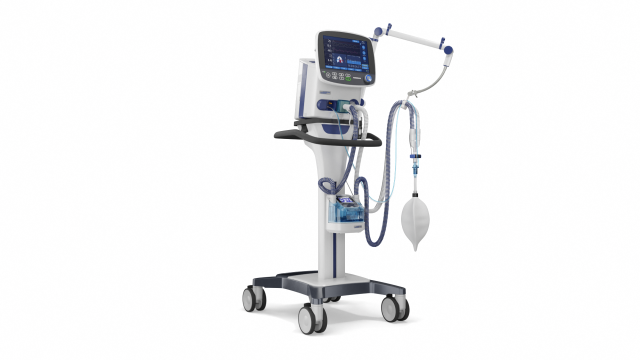
HAMILTON-C3

Competência compacta. O respirador de ponta móvel
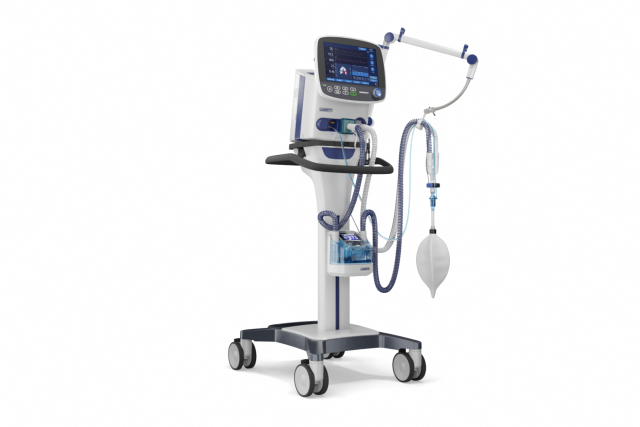
  • Invólucro compacto
  • Turbina de alto desempenho
  • Monitorização integrada
HAMILTON-C3
HAMILTON-C3

Competência compacta. O respirador de ponta móvel
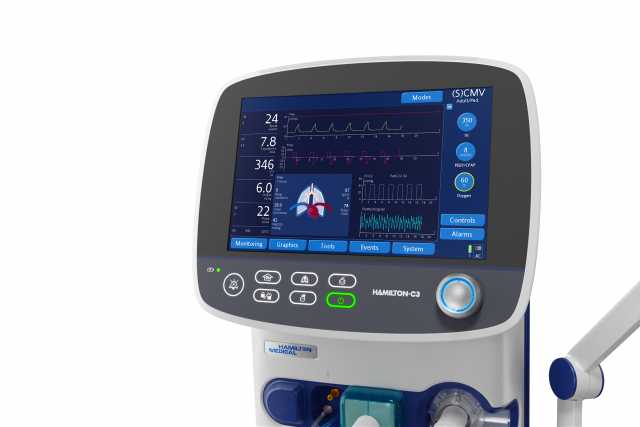
  • Invólucro compacto
  • Respirador acionado por turbina
  • Monitorização integrada
HAMILTON-C3

Em destaque na tela. Dados importantes de ventilação em resumo

  • Tela de 12,1 pol.
  • Configuração da tela ajustável
  • 52 parâmetros de monitorização
  • Tendências de 72 horas
HAMILTON-C3

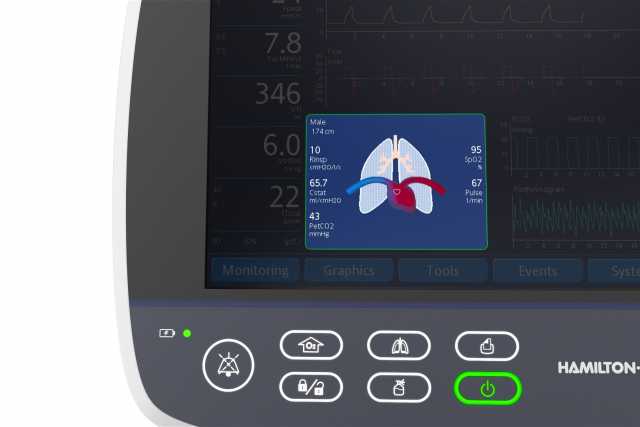
Mais do que 1.000 palavras. Visualização da condição pulmonar

O painel Pulmão dinâmico exibe a complacência pulmonar, a resistência das vias aéreas e o disparo definido pelo paciente em sincronia com as respirações reais.
HAMILTON-C3

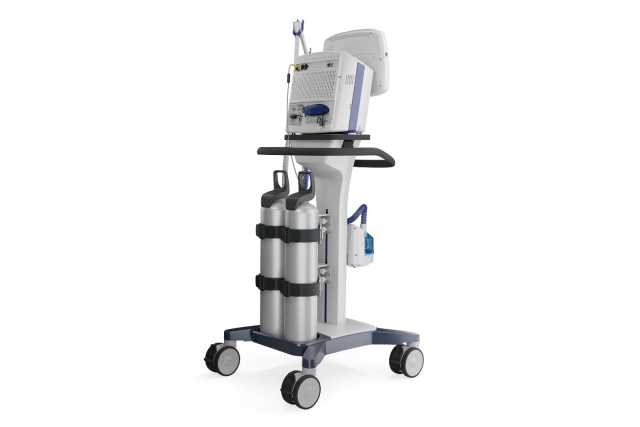
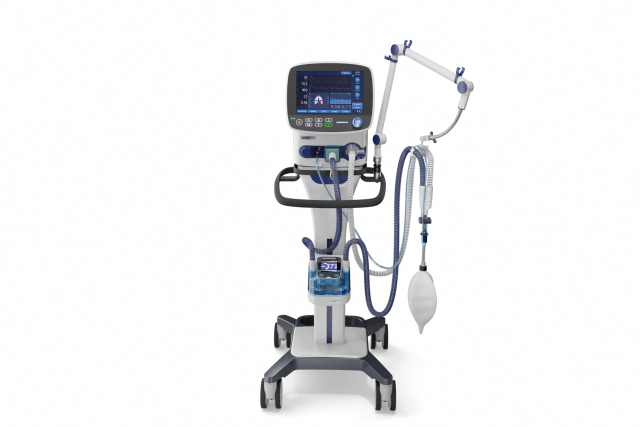
Altamente independente. Sem ar comprimido e operado por bateria

  • Respirador acionado por turbina
  • Duas baterias intercambiáveis
  • Carrinho com dois suportes para cilindro de oxigênio
HAMILTON-C3
Turbina de alto desempenho

Onde quer que seja necessário. Acionado por turbina para maior flexibilidade

Com sua potente turbina, o HAMILTON‑C3 é totalmente independente de uma saída de ar de alta pressão e compressores externos. Isso proporciona máxima mobilidade, permitindo que se desloque livremente pelo hospital.

HAMILTON-C3

Onde quer que o coloquem. Com o toque de um botão

Pode fixar o HAMILTON‑C3 a um carrinho, a um encaixe para leito ou a uma prateleira com facilidade. Não são necessárias ferramentas adicionais.

Basta pressionar um botão para soltar o respirador do carrinho e voltar a fixá-lo com apenas um clique.
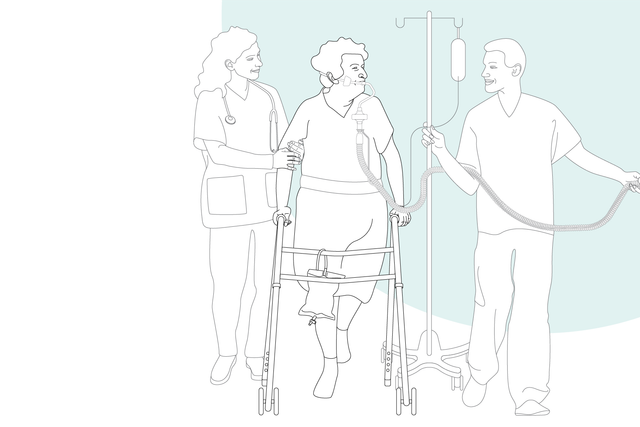
Ilustração gráfica: dois enfermeiros ajudam paciente intubado a caminhar

Quanto mais cedo, melhor. Mobilização precoce

Com sua turbina de alto desempenho, bateria, tamanho compacto e modos de ventilação de última geração, o HAMILTON-C3 também está ao lado do seu paciente nos primeiros passos fora do leito.

Gostaria de obter mais informações?
Explore o modelo 3D

Descubra o HAMILTON-C3 de todos os ângulos e clique nos hotspots para saber mais.

Para obter informações rápidas

  • Padrão
  • Opção
  • Não disponível
Grupos de pacientes Adulto/Ped, Neonatal
Dimensões (L x P x A) 310 x 250 x 460 mm (unidade de ventilação)
560 x 640 x 1460 mm (incl. carrinho)
Peso Unidade de ventilação: 9,5 kg
Unidade de ventilação e carrinho: 37 kg
Tamanho e resolução do monitor Diagonal de 12,1 polegadas (307,3 mm)
1280 × 800 píxeis
Monitor amovível
Tempo de operação da bateria 2,4 h com uma bateria
5 h com duas baterias
Bateria intercambiável a quente
Fonte de ar Turbina integrada
Conector O2 DISS (CGA 1240) ou NIST
Conectividade Porta COM, chamada à enfermagem (opção)
Sonoridade 43 dB em operação normal
Volume controlado, fluxo controlado
Volume alvo, pressão adaptativa controlada
Pressure-controlled
Ventilação inteligente ASV®, INTELLiVENT-ASV® (opção)
Ventilação não invasiva
Alto fluxo
Visualização da mecânica de pulmão (Pulmão Dinâmico)
Visualização da dependência do paciente em relação ao respirador
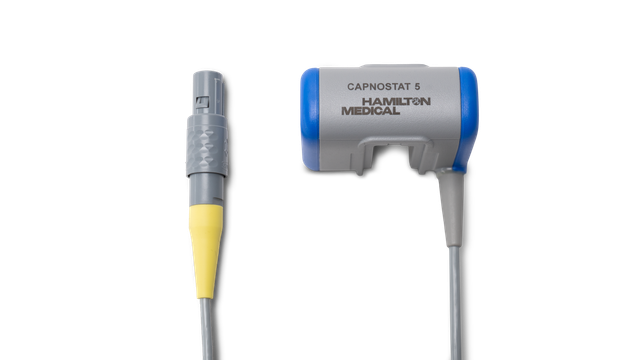
Capnografia
Monitorização de SpO2
Lung stress and strain monitoring (Lung Impact panel)
Medição da pressão esofágica
Avaliação da recrutabilidade e recrutamento pulmonar (P/V Tool Pro)
Sincronização do paciente com o respirador (IntelliSync+)
Ventilação de RCP
Módulo Hamilton Connect
Suctioning tool
SpeakValve compatibility
On-screen help
O2 assist
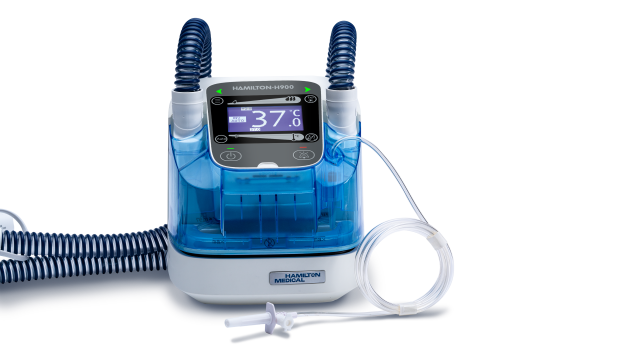
Conexão remota ao umidificador HAMILTON-H900
Controlador de pressão do cuff integrado IntelliCuff
Nebulizador pneumático integrado
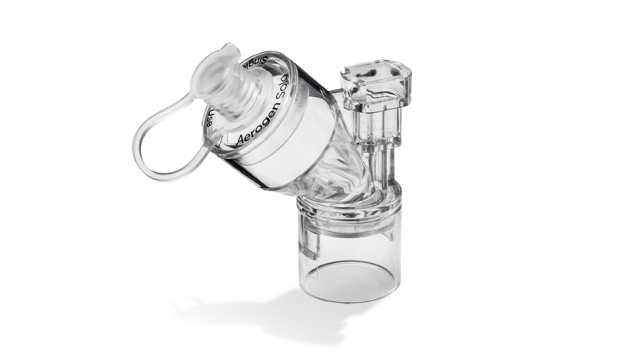
Nebulizador Aerogen integrado
Compatibilidade com o sistema de administração de anestésico Sedaconda ACD-S
Kathy Lira

Customer voices

O HAMILTON-C3 é um respirador totalmente transportável. Nossos pacientes mais frágeis que vão para a sala de cirurgia podem ser mantidos no mesmo respirador durante todo o processo.

Kathy Lira

Neonatal Pediatric Education Coordinator
University Medical Center, Lubbock (TX), EUA

Para seus pacientes

Visão geral das soluções de ventilação inteligente

ASV® — Adaptive Support Ventilation®. Para adaptação contínua

O modo de ventilação ASV ajusta continuamente a frequência respiratória, o volume corrente e o tempo inspiratório, respiração a respiração, dependendo da mecânica e do esforço pulmonar do paciente — 24 horas por dia, da intubação à extubação.

INTELLiVENT®-ASV. Para assistência junto do leito

O modo de ventilação inteligente INTELLiVENT-ASV controla continuamente a ventilação e a oxigenação do paciente.

Esta define a ventilação minuto, PEEP e Oxigênio com base nos alvos definidos pelo médico e nas informações fisiológicas do paciente.

P/V Tool®. Para recrutamento e avaliação pulmonar

Pode usar a P/V Tool para avaliar a recrutabilidade pulmonar e determinar a estratégia de recrutamento.

Adicionalmente, também pode ser usado para realizar uma manobra de recrutamento de insuflação prolongada e medir o aumento no volume pulmonar.

Nebulizador integrado. Para tratamentos adicionais

O nebulizador pneumático integrado está totalmente sincronizado com o tempo de inspiração e exalação.

Um nebulizador Aerogen sincronizado e integrado está disponível como opção (Não está disponível em todos os mercadosa​, Apenas disponível para HAMILTON-C6/G5/S1b​).

O fornecimento de uma fina névoa de partículas medicamentosas de aerossol ajuda a reverter o broncoespasmo, melhorar a eficiência da ventilação e reduzir a hipercapnia (Dhand R. New frontiers in aerosol delivery during mechanical ventilation. Respir Care. 2004;49(6):666-677. 100​, Waldrep JC, Dhand R. Advanced nebulizer designs employing vibrating mesh/aperture plate technologies for aerosol generation. Curr Drug Deliv. 2008;5(2):114-119. doi:10.2174/156720108783954815101​).

Tratamento por cânula de alto fluxo nasal. Para os entusiastas de O2

Tratamento por cânula de alto fluxo nasal (Também conhecido como tratamento de oxigênio de alto fluxo. Essa terminologia pode ser usada alternadamente com o tratamento por cânula de alto fluxo nasalf​) está disponível como opção em todos os nossos respiradores. Em apenas alguns passos, você pode mudar a interface e usar o mesmo dispositivo e circuito de respiração para suportar as necessidades de tratamento do seu paciente.

Também está disponível no nosso dispositivo autônomo de tratamento de oxigênio de alto fluxo, o HAMILTON‑HF90 (Não está disponível em todos os mercadosa).

Capnografia volumétrica. Para CO2ntrol Freaks

A medição de CO2 e de fluxo proximal permite aos nossos respiradores realizar a capnografia volumétrica atualizada, que fornece uma base importante para a avaliação da qualidade da ventilação e da atividade metabólica.

Painel Status Vent. Para pacientes prontos para o desmame

O painel Status Vent exibe seis parâmetros que indicam o grau de dependência do paciente em relação ao respirador, incluindo oxigenação, eliminação de CO2 e atividade do paciente.

O valor atual de um determinado parâmetro é exibido por um indicador flutuante que se move para cima e para baixo dentro de cada coluna.

Quick Wean. Para os independentes

O Quick Wean é um recurso do modo INTELLiVENT-ASV que fornece monitoramento dinâmico contínuo e controle das condições do paciente para avaliar a prontidão do paciente para a extubação.

SBTs automáticas. Para os espontâneos

As provas de respiração espontânea automatizadas (SBT) fazem parte da função Quick Wean no modo INTELLiVENT-ASV e oferecem a opção de realizar SBT totalmente controladas.

Painel Pulmão Dinâmico. Para quem prefere dados claros e visuais

O painel Pulmão Dinâmico exibe uma representação gráfica em tempo real dos seguintes dados de monitoramento importantes:

  • Complacência e resistência
  • Disparo definido pelo paciente
  • SpO2
  • Frequência de pulso

Alças e tendências configuráveis. Para estatísticos

O respirador pode exibir uma alça dinâmica com base em uma combinação de parâmetros monitorados selecionáveis. Com a função de tendência, é possível consultar as informações de tendência exibidas para os parâmetros de monitorização e o tempo específico da sua escolha. 

O dispositivo armazena continuamente os parâmetros monitorados na memória, mesmo no modo Em Espera.

Oximetria de pulso. Para os entusiastas de SpO2

A opção SpO2 dispõe de medição não invasiva integrada de SpO2 com os dados exibidos de forma conveniente no seu respirador.

Também dispomos de um portfólio abrangente de sensores SpO2.

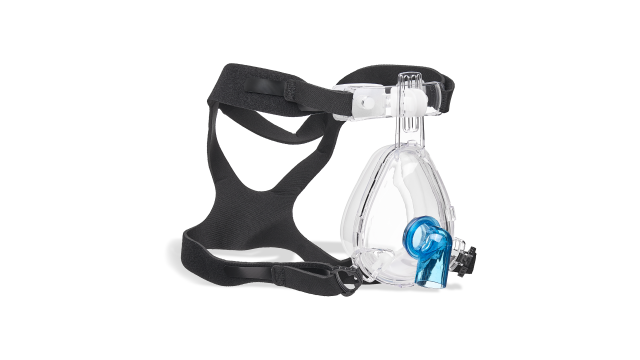
Ventilação não invasiva de alto desempenho. Para usuários de máscaras

Os modos de ventilação não invasiva fornecem ciclos respiratórios espontâneos ciclados por fluxo com suporte de pressão (modo VNI e VNI-ST) e ciclos respiratórios obrigatórios em intervalos especificados de pressão controlada (VNI-ST).

Em comparação com os respiradores que usam ar comprimido, os nossos respiradores acionados por turbina são capazes de fornecer taxas de fluxo de pico superior. Isto garante um desempenho ideal, mesmo com fugas grandes.

Modos nCPAP. Para os mais pequenos

Com o modo nCPAP, o paciente recebe suporte com uma pressão positiva contínua nas vias aéreas. Nos nossos dispositivos de fluxo controlado, o valor CPAP pretendido é definido através do fluxo de gás respiratório. De modo a compensar qualquer vazamento que ocorra, por exemplo, pela boca ou pelo nariz, a função LeakAssist pode ser ativada. Uma pressão predefinida pode então ser controlada com um fluxo de gás respiratório adicional.

Para você

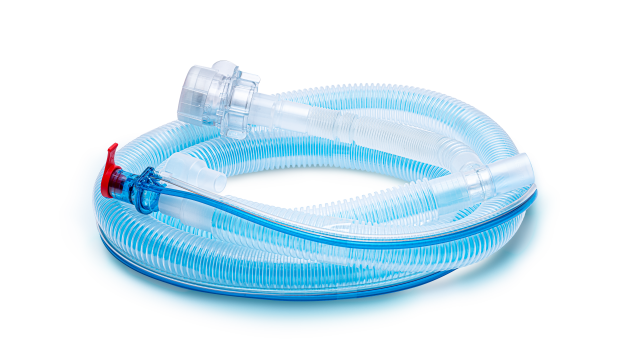
Kit de respiração, coaxial

Pré-montado. E pronto a usar

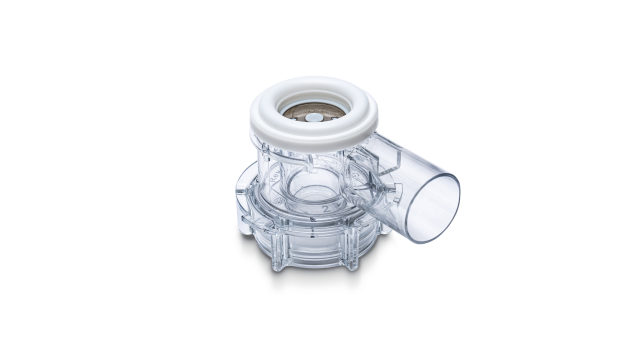
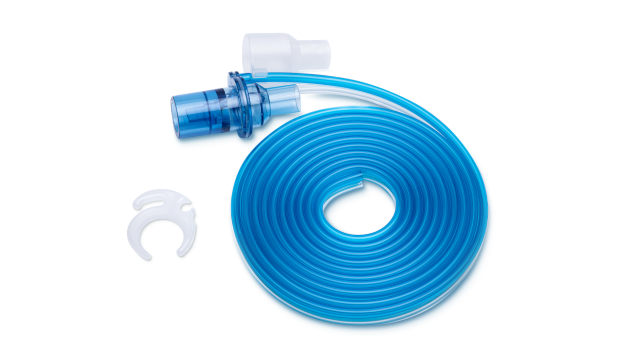
Nossos kits de respiração pré-montados incluem os consumíveis essenciais para operar o respirador, convenientemente embalados em uma única bolsa.

Todos os nossos consumíveis essenciais são desenvolvidos especialmente para os respiradores da Hamilton Medical com qualidade garantida pelo fabricante.

Automação; a mão gira o botão giratório no sentido horário

Menos ajustes. Mais adaptações ao seu paciente

Para gerenciar a ventilação, geralmente é necessário definir vários parâmetros, como pressão, volume, disparos inspiratórios e expiratórios, pressão cuff e outros. E cada vez que a condição do seu paciente muda, você precisa fazer um ou até mesmo vários reajustes.

Para simplificar esse processo e reduzir a necessidade de ajustes, criamos uma série de soluções:

A Ventilação de Suporte Adaptativo (ASV) é um modo de ventilação que proporciona adaptação contínua da frequência respiratória, volume corrente e tempo inspiratório, dependendo da mecânica pulmonar e do esforço do paciente. ASV demonstrou diminuir a duração da ventilação mecânica em várias populações de pacientes com menos ajustes manuais (Kirakli C, Naz I, Ediboglu O, Tatar D, Budak A, Tellioglu E. A randomized controlled trial comparing the ventilation duration between adaptive support ventilation and pressure assist/control ventilation in medical patients in the ICU. Chest. 2015;147(6):1503-1509. doi:10.1378/chest.14-25991​, Tam MK, Wong WT, Gomersall CD, et al. A randomized controlled trial of 2 protocols for weaning cardiac surgical patients receiving adaptive support ventilation. J Crit Care. 2016;33:163-168. doi:10.1016/j.jcrc.2016.01.0182​, Zhu F, Gomersall CD, Ng SK, Underwood MJ, Lee A. A randomized controlled trial of adaptive support ventilation mode to wean patients after fast-track cardiac valvular surgery. Anesthesiology. 2015;122(4):832-840. doi:10.1097/ALN.00000000000005893​).

Nosso modo de ventilação inteligente INTELLiVENT‑ASV promove você de operador a supervisor, reduzindo o número de interações manuais com o respirador (Beijers AJ, Roos AN, Bindels AJ. Fully automated closed-loop ventilation is safe and effective in post-cardiac surgery patients. Intensive Care Med. 2014;40(5):752-753. doi:10.1007/s00134-014-3234-74​, Bialais E, Wittebole X, Vignaux L, et al. Closed-loop ventilation mode (IntelliVent®-ASV) in intensive care unit: a randomized trial. Minerva Anestesiol. 2016;82(6):657-668. 5​, Fot EV, Izotova NN, Yudina AS, Smetkin AA, Kuzkov VV, Kirov MY. Automated Weaning from Mechanical Ventilation after Off-Pump Coronary Artery Bypass Grafting. Front Med (Lausanne). 2017;4:31. Published 2017 Mar 21. doi:10.3389/fmed.2017.000316​), garante ventilação individualizada para proteção pulmonar do seu paciente (Bialais E, Wittebole X, Vignaux L, et al. Closed-loop ventilation mode (IntelliVent®-ASV) in intensive care unit: a randomized trial. Minerva Anestesiol. 2016;82(6):657-668. 5​, Fot EV, Izotova NN, Yudina AS, Smetkin AA, Kuzkov VV, Kirov MY. Automated Weaning from Mechanical Ventilation after Off-Pump Coronary Artery Bypass Grafting. Front Med (Lausanne). 2017;4:31. Published 2017 Mar 21. doi:10.3389/fmed.2017.000316​, Arnal JM, Saoli M, Garnero A. Airway and transpulmonary driving pressures and mechanical powers selected by INTELLiVENT-ASV in passive, mechanically ventilated ICU patients. Heart Lung. 2020;49(4):427-434. doi:10.1016/j.hrtlng.2019.11.0017), desde a intubação até a extubação.

As soluções convencionais para o gerenciamento da pressão cuff requerem que você monitorize e ajuste a pressão cuff manualmente.

O IntelliCuff protege as vias respiratórias do seu paciente (Chenelle CT, Oto J, Sulemanji D, Fisher DF, Kacmarek RM. Evaluation of an automated endotracheal tube cuff controller during simulated mechanical ventilation. Respir Care. 2015;60(2):183-190. doi:10.4187/respcare.033878) medindo continuamente e mantendo automaticamente a pressão definida para pacientes adultos, pediátricos e neonatais.

Profissional interagindo com a tela de toque

Ajuda à sua disposição! Solução de problemas na tela

Sempre que existe um problema, o respirador alerta-o através da lâmpada de alarme, do som e da barra de mensagens.

A ajuda na tela oferece sugestões sobre como resolver o alarme.

Paciente em cadeira de rodas com respirador

Adeus, respirador! Ferramentas para implementar seus protocolos de desmame

Pretendemos que o nosso respirador deixe de ser necessário para o seu paciente, o mais rapidamente possível. Por isso, disponibilizamos ferramentas para o ajudar a implementar o seu protocolo de desmame.

Estas incluem recursos visuais e modos de ventilação concebidos para incentivar a respiração espontânea.

Profissionais a pesquisar os cursos de e-learning da Hamilton Medical

Familiarize-se! Caminhos de aprendizagem e conteúdo educacional

Nossa Academy online dispõe de percursos de aprendizagem fáceis de seguir para se familiarizar com os produtos e tecnologias da Hamilton Medical o mais rapidamente possível.

Para o futuro

Ilustração de uma bússola apontando para o futuro

Evolução constante. Expandindo os recursos de seu respirador

Trabalhamos constantemente para continuar a desenvolver os nossos produtos. São adicionadas novas funcionalidades e melhoradas as já existentes, para garantir que tem sempre acesso à mais recente tecnologia de ventilação durante toda a vida útil do seu respirador.

Como mantemos seu respirador atualizado
Família de ventilação Hamilton Família de ventilação Hamilton

Conheça um, conheça todos. Uma interface de usuário universal

Seja na UTI, na sala de IRM ou durante o transporte, a interface de usuário de todos os respiradores da Hamilton Medical funciona da mesma maneira.

Nosso Cockpit de Ventilação integra dados complexos em visualizações intuitivas.

Para obter a solução completa

Acessórios totalmente integrados

Desenvolvemos nossos acessórios tendo em mente a máxima segurança possível para o paciente e a facilidade de uso. Sempre que possível, os integramos aos nossos respiradores para simplificar a operação de todo o sistema de ventilação.

Nossos consumíveis

Todos os consumíveis originais Hamilton Medical foram concebidos para o desempenho ideal com respiradores Hamilton Medical. Para garantir a máxima satisfação do usuário e a segurança do paciente, nos esforçamos por alcançar os padrões de qualidade e segurança mais elevados.
Foto de um colaborador

Fale com nossos especialistas. Vamos discutir suas necessidades

Nossa equipe de Ventilation Geeks está à disposição para auxiliá-lo na escolha do respirador ideal para o seu ambiente de atendimento clínico e ajudá-lo a atingir seus objetivos de tratamento. Obtenha um orçamento personalizado ou agende um retorno de chamada para obter mais informações.

References

  1. 1. Kirakli C, Naz I, Ediboglu O, Tatar D, Budak A, Tellioglu E. A randomized controlled trial comparing the ventilation duration between adaptive support ventilation and pressure assist/control ventilation in medical patients in the ICU. Chest. 2015;147(6):1503-1509. doi:10.1378/chest.14-2599
  2. 2. Tam MK, Wong WT, Gomersall CD, et al. A randomized controlled trial of 2 protocols for weaning cardiac surgical patients receiving adaptive support ventilation. J Crit Care. 2016;33:163-168. doi:10.1016/j.jcrc.2016.01.018
  3. 3. Zhu F, Gomersall CD, Ng SK, Underwood MJ, Lee A. A randomized controlled trial of adaptive support ventilation mode to wean patients after fast-track cardiac valvular surgery. Anesthesiology. 2015;122(4):832-840. doi:10.1097/ALN.0000000000000589
  4. 4. Beijers AJ, Roos AN, Bindels AJ. Fully automated closed-loop ventilation is safe and effective in post-cardiac surgery patients. Intensive Care Med. 2014;40(5):752-753. doi:10.1007/s00134-014-3234-7
  5. 5. Bialais E, Wittebole X, Vignaux L, et al. Closed-loop ventilation mode (IntelliVent®-ASV) in intensive care unit: a randomized trial. Minerva Anestesiol. 2016;82(6):657-668.


  1. 6. Fot EV, Izotova NN, Yudina AS, Smetkin AA, Kuzkov VV, Kirov MY. Automated Weaning from Mechanical Ventilation after Off-Pump Coronary Artery Bypass Grafting. Front Med (Lausanne). 2017;4:31. Published 2017 Mar 21. doi:10.3389/fmed.2017.00031
  2. 7. Arnal JM, Saoli M, Garnero A. Airway and transpulmonary driving pressures and mechanical powers selected by INTELLiVENT-ASV in passive, mechanically ventilated ICU patients. Heart Lung. 2020;49(4):427-434. doi:10.1016/j.hrtlng.2019.11.001
  3. 8. Chenelle CT, Oto J, Sulemanji D, Fisher DF, Kacmarek RM. Evaluation of an automated endotracheal tube cuff controller during simulated mechanical ventilation. Respir Care. 2015;60(2):183-190. doi:10.4187/respcare.03387
  4. 100. Dhand R. New frontiers in aerosol delivery during mechanical ventilation. Respir Care. 2004;49(6):666-677.
  5. 101. Waldrep JC, Dhand R. Advanced nebulizer designs employing vibrating mesh/aperture plate technologies for aerosol generation. Curr Drug Deliv. 2008;5(2):114-119. doi:10.2174/156720108783954815

Footnotes

  • a. Não disponível em todos os mercados
  • b. Somente disponível para HAMILTON-C6/G5/S1


  • f. Também conhecido como tratamento de oxigênio de alto fluxo. Essa terminologia pode ser usada alternadamente com o tratamento por cânula de alto fluxo nasal.

A randomized controlled trial comparing the ventilation duration between adaptive support ventilation and pressure assist/control ventilation in medical patients in the ICU.

Kirakli C, Naz I, Ediboglu O, Tatar D, Budak A, Tellioglu E. A randomized controlled trial comparing the ventilation duration between adaptive support ventilation and pressure assist/control ventilation in medical patients in the ICU. Chest. 2015;147(6):1503-1509. doi:10.1378/chest.14-2599

BACKGROUND Adaptive support ventilation (ASV) is a closed loop mode of mechanical ventilation (MV) that provides a target minute ventilation by automatically adapting inspiratory pressure and respiratory rate with the minimum work of breathing on the part of the patient. The aim of this study was to determine the effect of ASV on total MV duration when compared with pressure assist/control ventilation. METHODS Adult medical patients intubated and mechanically ventilated for > 24 h in a medical ICU were randomized to either ASV or pressure assist/control ventilation. Sedation and medical treatment were standardized for each group. Primary outcome was the total MV duration. Secondary outcomes were the weaning duration, number of manual settings of the ventilator, and weaning success rates. RESULTS Two hundred twenty-nine patients were included. Median MV duration until weaning, weaning duration, and total MV duration were significantly shorter in the ASV group (67 [43-94] h vs 92 [61-165] h, P = .003; 2 [2-2] h vs 2 [2-80] h, P = .001; and 4 [2-6] days vs 4 [3-9] days, P = .016, respectively). Patients in the ASV group required fewer total number of manual settings on the ventilator to reach the desired pH and Paco2 levels (2 [1-2] vs 3 [2-5], P < .001). The number of patients extubated successfully on the first attempt was significantly higher in the ASV group (P = .001). Weaning success and mortality at day 28 were comparable between the two groups. CONCLUSIONS In medical patients in the ICU, ASV may shorten the duration of weaning and total MV duration with a fewer number of manual ventilator settings. TRIAL REGISTRY ClinicalTrials.gov; No.: NCT01472302; URL: www.clinicaltrials.gov.

A randomized controlled trial of 2 protocols for weaning cardiac surgical patients receiving adaptive support ventilation.

Tam MK, Wong WT, Gomersall CD, et al. A randomized controlled trial of 2 protocols for weaning cardiac surgical patients receiving adaptive support ventilation. J Crit Care. 2016;33:163-168. doi:10.1016/j.jcrc.2016.01.018

PURPOSE This study aims to compare the effectiveness of weaning with adaptive support ventilation (ASV) incorporating progressively reduced or constant target minute ventilation in the protocol in postoperative care after cardiac surgery. MATERIAL AND METHODS A randomized controlled unblinded study of 52 patients after elective coronary artery bypass surgery was carried out to determine whether a protocol incorporating a decremental target minute ventilation (DTMV) results in more rapid weaning of patients ventilated in ASV mode compared to a protocol incorporating a constant target minute ventilation. RESULTS Median duration of mechanical ventilation (145 vs 309 minutes; P = .001) and intubation (225 vs 423 minutes; P = .005) were significantly shorter in the DTMV group. There was no difference in adverse effects (42% vs 46%) or mortality (0% vs 0%) between the 2 groups. CONCLUSIONS Use of a DTMV protocol for postoperative ventilation of cardiac surgical patients in ASV mode results in a shorter duration of ventilation and intubation without evidence of increased risk of adverse effects.

A randomized controlled trial of adaptive support ventilation mode to wean patients after fast-track cardiac valvular surgery.

Zhu F, Gomersall CD, Ng SK, Underwood MJ, Lee A. A randomized controlled trial of adaptive support ventilation mode to wean patients after fast-track cardiac valvular surgery. Anesthesiology. 2015;122(4):832-840. doi:10.1097/ALN.0000000000000589

BACKGROUND Adaptive support ventilation can speed weaning after coronary artery surgery compared with protocolized weaning using other modes. There are no data to support this mode of weaning after cardiac valvular surgery. Furthermore, control group weaning times have been long, suggesting that the results may reflect control group protocols that delay weaning rather than a real advantage of adaptive support ventilation. METHODS Randomized (computer-generated sequence and sealed opaque envelopes), parallel-arm, unblinded trial of adaptive support ventilation versus physician-directed weaning after adult fast-track cardiac valvular surgery. The primary outcome was duration of mechanical ventilation. Patients aged 18 to 80 yr without significant renal, liver, or lung disease or severe impairment of left ventricular function undergoing uncomplicated elective valve surgery were eligible. Care was standardized, except postoperative ventilation. In the adaptive support ventilation group, target minute ventilation and inspired oxygen concentration were adjusted according to blood gases. A spontaneous breathing trial was carried out when the total inspiratory pressure of 15 cm H2O or less with positive end-expiratory pressure of 5 cm H2O. In the control group, the duty physician made all ventilatory decisions. RESULTS Median duration of ventilation was statistically significantly shorter (P = 0.013) in the adaptive support ventilation group (205 [141 to 295] min, n = 30) than that in controls (342 [214 to 491] min, n = 31). Manual ventilator changes and alarms were less common in the adaptive support ventilation group, and arterial blood gas estimations were more common. CONCLUSION Adaptive support ventilation reduces ventilation time by more than 2 h in patients who have undergone fast-track cardiac valvular surgery while reducing the number of manual ventilator changes and alarms.

Fully automated closed-loop ventilation is safe and effective in post-cardiac surgery patients.

Beijers AJ, Roos AN, Bindels AJ. Fully automated closed-loop ventilation is safe and effective in post-cardiac surgery patients. Intensive Care Med. 2014;40(5):752-753. doi:10.1007/s00134-014-3234-7

Closed-loop ventilation mode (IntelliVent®-ASV) in intensive care unit: a randomized trial.

Bialais E, Wittebole X, Vignaux L, et al. Closed-loop ventilation mode (IntelliVent®-ASV) in intensive care unit: a randomized trial. Minerva Anestesiol. 2016;82(6):657-668.

BACKGROUND Closed-loop modes automatically adjust ventilation settings, delivering individualized ventilation over short periods of time. The objective of this randomized controlled trial was to compare safety, efficacy and workload for the health care team between IntelliVent®-ASV and conventional modes over a 48-hour period. METHODS ICU patients admitted with an expected duration of mechanical ventilation of more than 48 hours were randomized to IntelliVent®-ASV or conventional ventilation modes. All ventilation parameters were recorded breath-by-breath. The number of manual adjustments assesses workload for the healthcare team. Safety and efficacy were assessed by calculating the time spent within previously defined ranges of non-optimal and optimal ventilation, respectively. RESULTS Eighty patients were analyzed. The median values of ventilation parameters over 48 hours were similar in both groups except for PEEP (7[4] cmH2O versus 6[3] cmH2O with IntelliVent®-ASV and conventional ventilation, respectively, P=0.028) and PETCO2 (36±7 mmHg with IntelliVent®-ASV versus 40±8 mmHg with conventional ventilation, P=0.041). Safety was similar between IntelliVent®-ASV and conventional ventilation for all parameters except for PMAX, which was more often non-optimal with IntelliVent®-ASV (P=0.001). Efficacy was comparable between the 2 ventilation strategies, except for SpO2 and VT, which were more often optimal with IntelliVent®-ASV (P=0.005, P=0.016, respectively). IntelliVent®-ASV required less manual adjustments than conventional ventilation (P<0.001) for a higher total number of adjustments (P<0.001). The coefficient of variation over 48 hours was larger with IntelliVent®-ASV in regard of maximum pressure, inspiratory pressure (PINSP), and PEEP as compared to conventional ventilation. CONCLUSIONS IntelliVent®-ASV required less manual intervention and delivered more variable PEEP and PINSP, while delivering ventilation safe and effective ventilation in terms of VT, RR, SpO2 and PETCO2.

Automated Weaning from Mechanical Ventilation after Off-Pump Coronary Artery Bypass Grafting.

Fot EV, Izotova NN, Yudina AS, Smetkin AA, Kuzkov VV, Kirov MY. Automated Weaning from Mechanical Ventilation after Off-Pump Coronary Artery Bypass Grafting. Front Med (Lausanne). 2017;4:31. Published 2017 Mar 21. doi:10.3389/fmed.2017.00031

BACKGROUND The discontinuation of mechanical ventilation after coronary surgery may prolong and significantly increase the load on intensive care unit personnel. We hypothesized that automated mode using INTELLiVENT-ASV can decrease duration of postoperative mechanical ventilation, reduce workload on medical staff, and provide safe ventilation after off-pump coronary artery bypass grafting (OPCAB). The primary endpoint of our study was to assess the duration of postoperative mechanical ventilation during different modes of weaning from respiratory support (RS) after OPCAB. The secondary endpoint was to assess safety of the automated weaning mode and the number of manual interventions to the ventilator settings during the weaning process in comparison with the protocolized weaning mode. MATERIALS AND METHODS Forty adult patients undergoing elective OPCAB were enrolled into a prospective single-center study. Patients were randomized into two groups: automated weaning (n = 20) using INTELLiVENT-ASV mode with quick-wean option; and protocolized weaning (n = 20), using conventional synchronized intermittent mandatory ventilation (SIMV) + pressure support (PS) mode. We assessed the duration of postoperative ventilation, incidence and duration of unacceptable RS, and the load on medical staff. We also performed the retrospective analysis of 102 patients (standard weaning) who were weaned from ventilator with SIMV + PS mode based on physician's experience without prearranged algorithm. RESULTS AND DISCUSSION Realization of the automated weaning protocol required change in respiratory settings in 2 patients vs. 7 (5-9) adjustments per patient in the protocolized weaning group. Both incidence and duration of unacceptable RS were reduced significantly by means of the automated weaning approach. The FiO2 during spontaneous breathing trials was significantly lower in the automated weaning group: 30 (30-35) vs. 40 (40-45) % in the protocolized weaning group (p < 0.01). The average time until tracheal extubation did not differ in the automated weaning and the protocolized weaning groups: 193 (115-309) and 197 (158-253) min, respectively, but increased to 290 (210-411) min in the standard weaning group. CONCLUSION The automated weaning system after off-pump coronary surgery might provide postoperative ventilation in a more protective way, reduces the workload on medical staff, and does not prolong the duration of weaning from ventilator. The use of automated or protocolized weaning can reduce the duration of postoperative mechanical ventilation in comparison with non-protocolized weaning based on the physician's decision.

Airway and transpulmonary driving pressures and mechanical powers selected by INTELLiVENT-ASV in passive, mechanically ventilated ICU patients.

Arnal JM, Saoli M, Garnero A. Airway and transpulmonary driving pressures and mechanical powers selected by INTELLiVENT-ASV in passive, mechanically ventilated ICU patients. Heart Lung. 2020;49(4):427-434. doi:10.1016/j.hrtlng.2019.11.001

BACKGROUND Driving pressure (ΔP) and mechanical power (MP) are predictors of the risk of ventilation- induced lung injuries (VILI) in mechanically ventilated patients. INTELLiVENT-ASV® is a closed-loop ventilation mode that automatically adjusts respiratory rate and tidal volume, according to the patient's respiratory mechanics. OBJECTIVES This prospective observational study investigated ΔP and MP (and also transpulmonary ΔP (ΔPL) and MP (MPL) for a subgroup of patients) delivered by INTELLiVENT-ASV. METHODS Adult patients admitted to the ICU were included if they were sedated and met the criteria for a single lung condition (normal lungs, COPD, or ARDS). INTELLiVENT-ASV was used with default target settings. If PEEP was above 16 cmH2O, the recruitment strategy used transpulmonary pressure as a reference, and ΔPL and MPL were computed. Measurements were made once for each patient. RESULTS Of the 255 patients included, 98 patients were classified as normal-lungs, 28 as COPD, and 129 as ARDS patients. The median ΔP was 8 (7 - 10), 10 (8 - 12), and 9 (8 - 11) cmH2O for normal-lungs, COPD, and ARDS patients, respectively. The median MP was 9.1 (4.9 - 13.5), 11.8 (8.6 - 16.5), and 8.8 (5.6 - 13.8) J/min for normal-lungs, COPD, and ARDS patients, respectively. For the 19 patients managed with transpulmonary pressure ΔPL was 6 (4 - 7) cmH2O and MPL was 3.6 (3.1 - 4.4) J/min. CONCLUSIONS In this short term observation study, INTELLiVENT-ASV selected ΔP and MP considered in safe ranges for lung protection. In a subgroup of ARDS patients, the combination of a recruitment strategy and INTELLiVENT-ASV resulted in an apparently safe ΔPL and MPL.

Evaluation of an automated endotracheal tube cuff controller during simulated mechanical ventilation.

Chenelle CT, Oto J, Sulemanji D, Fisher DF, Kacmarek RM. Evaluation of an automated endotracheal tube cuff controller during simulated mechanical ventilation. Respir Care. 2015;60(2):183-190. doi:10.4187/respcare.03387

BACKGROUND Maintaining endotracheal tube cuff pressure within a narrow range is an important factor in patient care. The goal of this study was to evaluate the IntelliCuff against the manual technique for maintaining cuff pressure during simulated mechanical ventilation with and without movement. METHODS The IntelliCuff was compared to the manual technique of a manometer and syringe. Two independent studies were performed during mechanical ventilation: part 1, a 2-h trial incorporating continuous mannikin head movement; and part 2, an 8-h trial using a stationary trachea model. We set cuff pressure to 25 cm H2O, PEEP to 10 cm H2O, and peak inspiratory pressures to 20, 30, and 40 cm H2O. Clinical importance was defined as both statistically significant (P<.05) and clinically significant (pressure change [Δ]>10%). RESULTS In part 1, the change in cuff pressure from before to after ventilation was clinically important for the manual technique (P<.001, Δ=-39.6%) but not for the IntelliCuff (P=.02, Δ=3.5%). In part 2, the change in cuff pressure from before to after ventilation was clinically important for the manual technique (P=.004, Δ=-14.39%) but not for the IntelliCuff (P=.20, Δ=5.65%). CONCLUSIONS There was a clinically important drop in manually set cuff pressure during simulated mechanical ventilation in a stationary model and an even larger drop with movement, but this was significantly reduced by the IntelliCuff in both scenarios. Additionally, we observed that cuff pressure varied directly with inspiratory airway pressure for both techniques, leading to elevated average cuff pressures.

New frontiers in aerosol delivery during mechanical ventilation.

Dhand R. New frontiers in aerosol delivery during mechanical ventilation. Respir Care. 2004;49(6):666-677.

The scientific basis for inhalation therapy in mechanically-ventilated patients is now firmly established. A variety of new devices that deliver drugs to the lung with high efficiency could be employed for drug delivery during mechanical ventilation. Encapsulation of drugs within liposomes could increase the amount of drug delivered, prolong the effect of a dose, and minimize adverse effects. With improved inhalation devices and surfactant formulations, inhaled surfactant could be employed for several indications in mechanically-ventilated patients. Research is unraveling the causes of some disorders that have been poorly understood, and our improved understanding of the causal mechanisms of various respiratory disorders will provide new applications for inhaled therapies.

Advanced nebulizer designs employing vibrating mesh/aperture plate technologies for aerosol generation.

Waldrep JC, Dhand R. Advanced nebulizer designs employing vibrating mesh/aperture plate technologies for aerosol generation. Curr Drug Deliv. 2008;5(2):114-119. doi:10.2174/156720108783954815

Recent technological advances and improved nebulizer designs have overcome many limitations of jet nebulizers. Newer devices employ a vibrating mesh or aperture plate (VM/AP) for the generation of therapeutic aerosols with consistent, increased efficiency, predominant aerosol fine particle fractions, low residuals, and the ability to nebulize even microliter volumes. These enhancements are achieved through several different design features and include improvements that promote patient compliance, such as compact design, portability, shorter treatment durations, and quiet operation. Current VM/AP devices in clinical use are the Omron MicroAir, the Nektar Aeroneb, and the Pari eFlow. However, some devices are only approved for use with specific medications. Development of "smart nebulizers" such as the Respironics I-neb couple VM technologies with coordinated delivery and optimized inhalation patterns to enhance inhaled drug delivery of specialized, expensive formulations. Ongoing development of advanced aerosol technologies should improve clinical outcomes and continue to expand therapeutic options as newer inhaled drugs become available.