
Session expired

Due to inactivity your session has expired. Please login again.

Nous avons remarqué que vous aviez consulté notre site internet depuis le pays États-Unis.
Nous proposons une version du site internet propre à votre pays (États-Unis).

Passer à États-Unis
 Produits

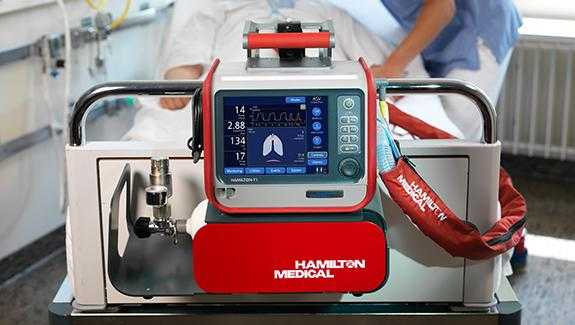
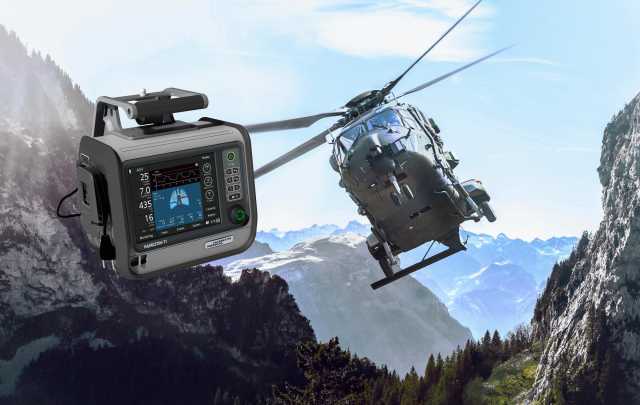
HAMILTON-T1.

Ventilateur de transport intelligent

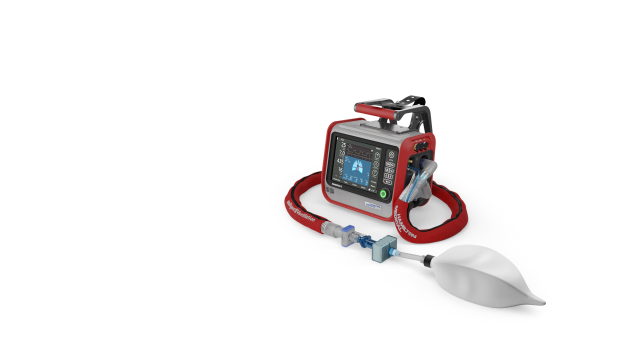
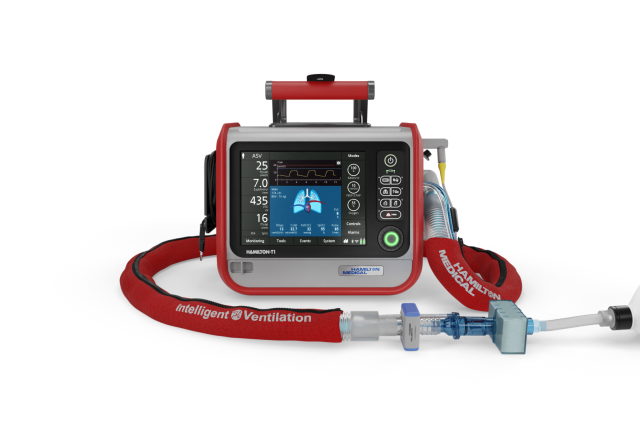
HAMILTON-T1

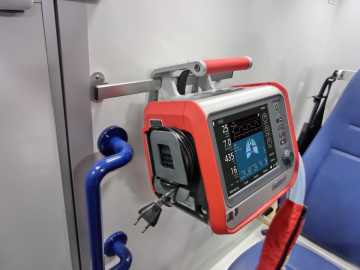
Notre spécialiste du transport ! Du nouveau-né à l'adulte
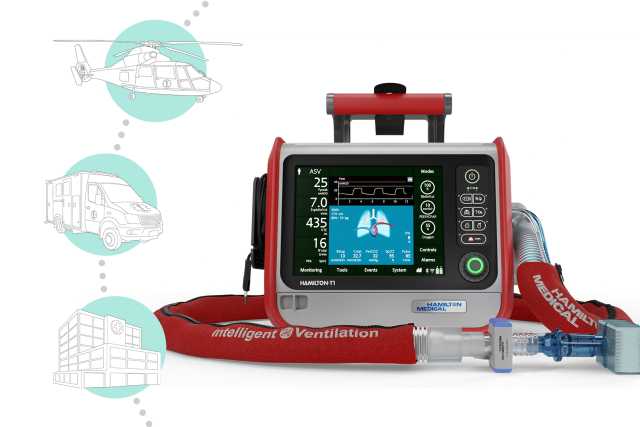
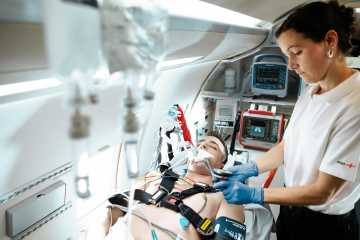
  • Ventilateur USI entièrement équipé pour le transport
  • Homologué pour les transports sur terre, dans les airs et sur l'eau
  • À l'intérieur et à l'extérieur de l'hôpital
HAMILTON-T1
HAMILTON-T1

Notre spécialiste du transport ! Du nouveau-né à l'adulte
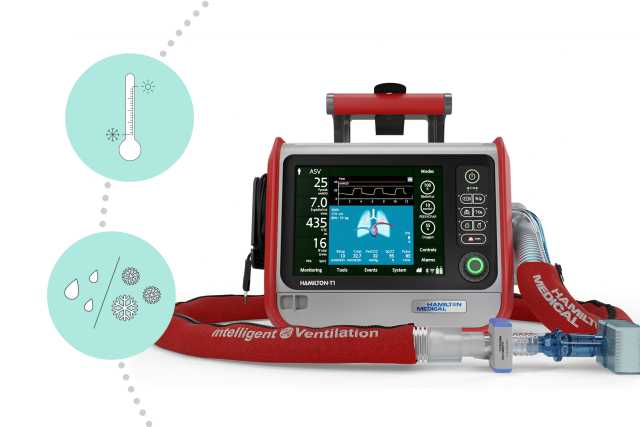
  • Ventilateur USI entièrement équipé pour le transport 
  • Homologué pour les transports de patients sur terre, dans les airs et sur l'eau 
  • À l'intérieur et à l'extérieur de l'hôpital
HAMILTON-T1

La loi du plus fort ! Dans les situations les plus critiques

  • Températures comprises entre -15 et +50 °C 
  • Indice de protection IP54 
  • Altitude maximale de 7 620 mètres 
  • Solide boîtier renforcé avec protection contre les impacts et à l'épreuve des vibrations 
  • Écran antireflet et résistant aux chocs
HAMILTON-T1

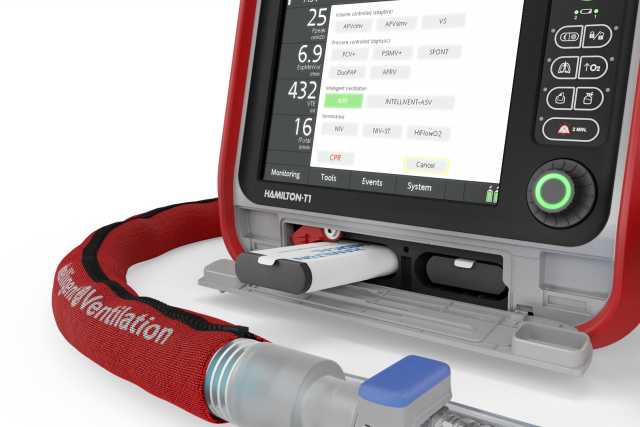
Thérapie de ventilation en continu. Utilisez les mêmes mode et réglages qu'au chevet du patient

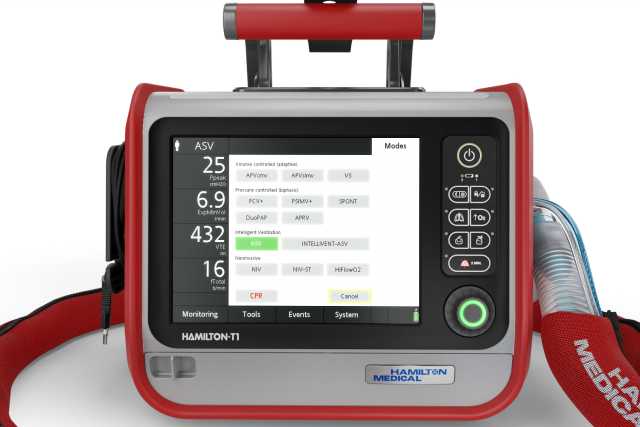
  • Modes de ventilation à volume cible et à pression contrôlée 
  • Ventilation adaptative avec l'ASV® et l'INTELLiVENT®-ASV 
  • Ventilation non invasive 
  •  Thérapie à haut débit par canule nasale
HAMILTON-T1

Totalement indépendant. Pas besoin d'air comprimé et fonctionnement sur batterie

  • Turbine haute performance 
  • Une batterie intégrée et une batterie remplaçable à chaud 
  • Connecteur supplémentaire pour oxygène à basse pression
HAMILTON-T1

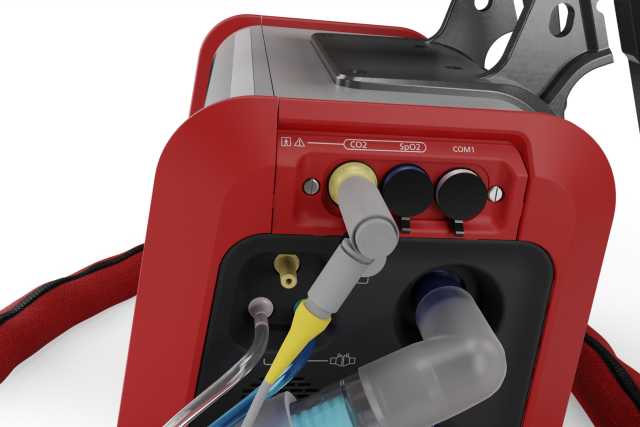
La communication : le facteur clé. Pour une meilleure connexion

Options de la carte de communication pour :
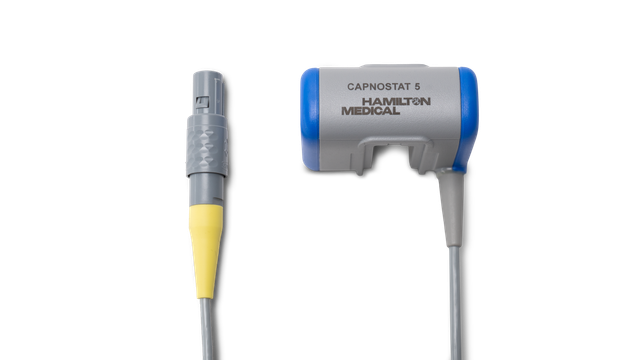
  • Capteurs SpO2 et/ou CO2 
  • Appel infirmière 
  • PDMS 
  • HAMILTON-H900 
  • RS232
HAMILTON-T1
HAMILTON-T1
RCP réalisée sur un homme

Code bleu ! Assistance pendant la RCP

La ventilation RCP adapte les réglages de la ventilation si vous devez effectuer une RCP. Elle affiche les principaux paramètres et courbes de monitorage en fonction de la situation et prend en charge le processus avec un accès rapide aux réglages préconfigurables, un réglage adapté des alarmes et du déclenchement et l'affichage d'un chronomètre RCP.

Diagramme en secteurs indiquant que 71 % des organisations de secours aérien (en Allemagne, en Autriche, en Suisse, en Italie et au Luxembourg) ont choisi le HAMILTON T1 pour leur hélicoptère de soins intensifs

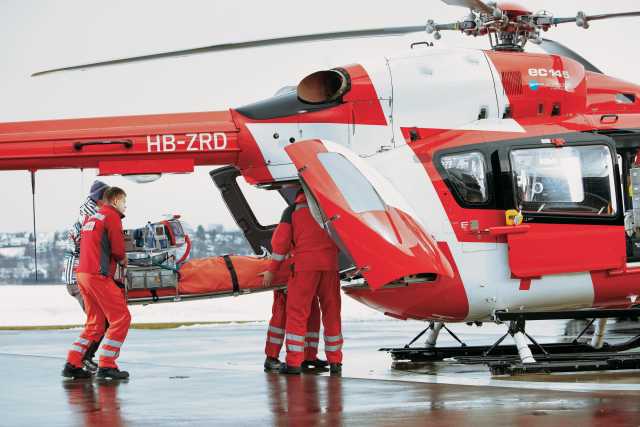
Le choix le plus populaire. Pour 71 % des hélicoptères de soins intensifs

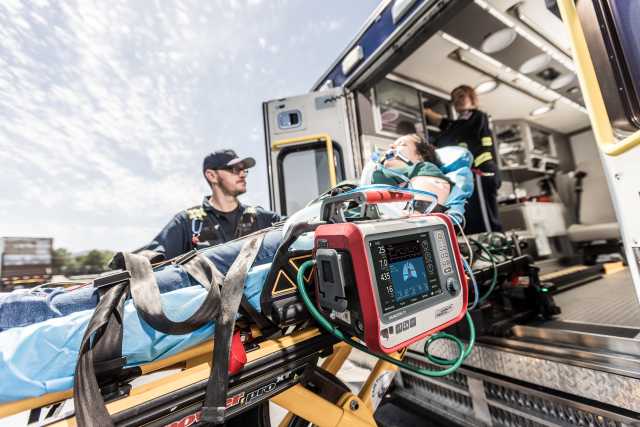
En tant que ventilateur de transport pour les ambulances, les hélicoptères et bien plus encore, le HAMILTON-T1 est l'un des ventilateurs préférés de bon nombre d'équipes de secours. D'après l'étude en ligne HOVER (Transfert de patients ventilés dans le cadre des Services médicaux d'urgence HEMS [Helicopter Emergency Medical Service] vers les urgencesA​) menée auprès d'organisations de secours aérien en Allemagne, en Autriche, en Suisse, en Italie et au Luxembourg en 2019, 71 % de ces organisations ont choisi le HAMILTON-T1 pour leur hélicoptère de soins intensifs (Hilbert-Carius, P., Struck, M.F., Hofer, V. et al. Nutzung des Hubschrauber-Respirators vom Landeplatz zum Zielort im Krankenhaus. Notfall Rettungsmed 23, 106–112 (2020)1​​).

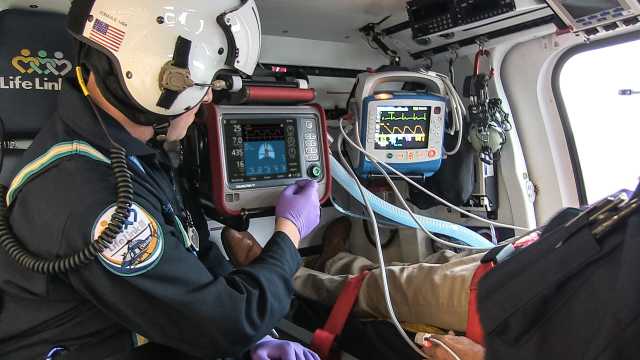
Transport d'un patient à l'aide d'un HAMILTON-T1

Ne vous contentez pas des normes. Dépassez-les.

Les ventilateurs adaptés aux pandémies et autres situations impliquant de nombreuses victimes doivent être polyvalents et répondre à diverses exigences. Le HAMILTON-T1 respecte voire dépasse toutes les exigences des recommandations de l'AARC, Guidelines for Acquisition of Ventilators to Meet Demands for Pandemic Flu and Mass Casualty Incidents (Recommandations pour l'acquisition de ventilateurs pour répondre à la demande en cas de pandémie de grippe et lors de situations impliquant de nombreuses victimes)(www.aarc.org/wp-content/uploads/2020/03/ventilator-acquisition-guidelines.pdfB​).

Vous voulez en savoir plus ?
Découvrez le modèle 3D

Découvrez le HAMILTON-T1 sous chaque angle et cliquez sur les zones réactives pour en savoir plus.

Pour des informations rapides

  • Standard
  • Option
  • Non disponible
Groupes de patients Adulte/Enf., Néonatal
Dimensions (L × P × H) 320 x 220 x 270 mm (unité de ventilation)
630 x 630 x 1 380 mm (sans poignée)
630 x 630 x 1 433 mm (avec poignée)
Poids 6,5 kg
18,5 kg avec chariot
Taille et résolution du moniteur Diagonale 8,4 po (214 mm)
640 x 480 pixels
Moniteur amovible
Durée de fonctionnement de la batterie 4 h avec une batterie
8 h avec deux batteries
Batterie remplaçable à chaud
Alimentation en air Turbine intégrée
Connecteur O2 DISS (CGA 1240) ou NIST
Connectivité CO2/Appel infirmière/COM1, CO2/SpO2/COM1, CO2/SpO2/Humidificateur et COM1, port USB, port Ethernet RJ-45
Volume 43 dB en fonctionnement normal
Volume contrôlé, débit contrôlé
Volume ciblé, pression adaptative contrôlée
Pressure-controlled
Ventilation intelligente ASV®, INTELLiVENT®-ASV® (option)
Ventilation non invasive
Débit haut
Visualisation de la mécanique pulmonaire (Poumon dynamique)
Visualisation de la dépendance du patient au ventilateur
Capnographie
Monitorage de la SpO2
Lung stress and strain monitoring (Lung Impact panel)
Mesure de la pression œsophagienne
Évaluation de la capacité de recrutement et recrutement pulmonaire (P/V Tool Pro)
Synchronisation patient/ventilateur (IntelliSync+)
Ventilation RCP
Module Hamilton Connect
Suctioning tool
SpeakValve compatibility
On-screen help
O2 assist
Connexion à distance à l’humidificateur HAMILTON-H900
Contrôleur de pression du ballonnet IntelliCuff intégré
Nébuliseur pneumatique intégré
Nébuliseur Aerogen intégré
Compatibilité avec le système d’administration d’anesthésiques Sedaconda ACD-S
L'appel du devoir ; HAMILTON-T1 militaire

L'appel du devoir. Le ventilateur pour forces armées

Une exposition à des conditions extrêmes signifie qu'un ventilateur pour forces armées doit répondre à des exigences très spéciales. C'est là qu'intervient le HAMILTON-T1 militaire.

Pour vos patients

Les solutions de ventilation intelligente en un coup d'œil

ASV® – Adaptive Support Ventilation®. Pour une adaptation 24 heures sur 24

Le mode de ventilation à aide adaptative (ASV) ajuste en continu la fréquence respiratoire, le volume courant et le temps inspiratoire à chaque cycle en fonction de la mécanique et de l'activité respiratoires du patient, 24 heures sur 24, de l'intubation à l'extubation.

INTELLiVENT®-ASV. Pour une assistance au chevet du patient

Le mode de ventilation intelligente INTELLiVENT-ASV contrôle en continu la ventilation et l'oxygénation du patient.

Il règle la ventilation minute, la PEP et l'oxygène en fonction des cibles définies par le médecin et des paramètres physiologiques du patient.

O2 assist. Pour la gestion de l'oxygène

La fonction O2 assist est une technologie de gestion avancée de l'oxygène qui sert d'assistant de soins de précision au chevet du patient. En réglant en continu l'alimentation en oxygène, cette fonction permet de maintenir les niveaux de SpO2 du patient dans les plages cibles définies individuellement. Cela évite d’avoir à tourner sans cesse les boutons (Roca O, Caritg O, Santafé M, et al. Closed-loop oxygen control improves oxygen therapy in acute hypoxemic respiratory failure patients under high flow nasal oxygen: a randomized cross-over study (the HILOOP study). Crit Care. 2022;26(1):108. Published 2022 Apr 14. doi:10.1186/s13054-022-03970-w105​, Atakul G, Ceylan G, Sandal O, et al. Closed-loop oxygen usage during invasive mechanical ventilation of pediatric patients (CLOUDIMPP): a randomized controlled cross-over study. Front Med (Lausanne). 2024;11:1426969. Published 2024 Sep 10. doi:10.3389/fmed.2024.1426969106​) et permet de diminuer le risque d'hyperoxémie et d'hypoxémie pour vos patients (Sandal O, Ceylan G, Topal S, et al. Closed-loop oxygen control improves oxygenation in pediatric patients under high-flow nasal oxygen-A randomized crossover study. Front Med (Lausanne). 2022;9:1046902. Published 2022 Nov 16. doi:10.3389/fmed.2022.1046902107​, Trottier M, Bouchard PA, L'Her E, Lellouche F. Automated Oxygen Titration During CPAP and Noninvasive Ventilation in Healthy Subjects With Induced Hypoxemia. Respir Care. 2023;68(11):1553-1560. doi:10.4187/respcare.09866108​).

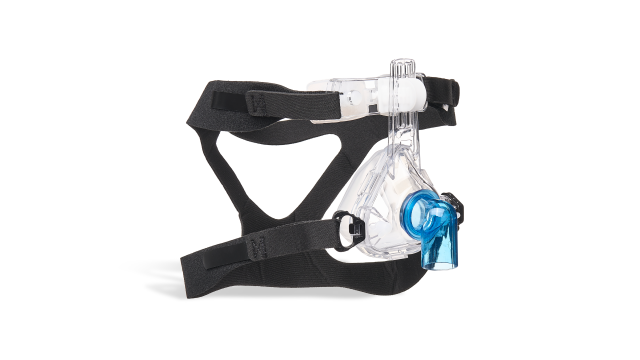
Ventilation non invasive haute performance. Pour les porteurs de masque

Les modes de ventilation non invasive délivrent des cycles spontanés avec aide inspiratoire, cyclés en débit (mode VNI et VNI-Fmin) et des cycles contrôlés par cycles de temps, à pression contrôlée (VNI-Fmin).

Par rapport aux ventilateurs utilisant de l'air comprimé, nos ventilateurs à turbine sont capables de fournir des débits de pointe plus élevés. Cela garantit des performances optimales même en cas de fuites importantes.

Thérapie à haut débit par canule nasale. Pour les inconditionnels d'O2

La thérapie à haut débit par canule nasale (Également appelée thérapie d'oxygène à haut débit. Cette terminologie peut être utilisée indifféremment avec la thérapie à haut débit par canule nasalef​) est disponible en option sur tous nos ventilateurs. Il suffit de quelques étapes pour changer d'interface et utiliser les mêmes dispositif et circuit respiratoire afin de s'adapter aux besoins de la thérapie de votre patient.

Il est également disponible sur notre dispositif autonome de thérapie d'oxygène à haut débit, le HAMILTON‑HF90 (Non disponible dans certains paysa).

Ventilation RCP. Pour les secouristes

La ventilation RCP adapte les réglages du ventilateur pendant la réanimation. Elle prend en charge le processus de RCP avec un accès rapide aux réglages préconfigurables, un réglage adapté des alarmes et du déclenchement et l'affichage d'un chronomètre RCP.

Les principaux paramètres et courbes de monitorage en rapport avec la ventilation RCP sont aussi affichés.

Modes nCPAP. Pour les tout-petits

Avec le mode nCPAP, le patient est assisté avec une pression positive continue des voies aériennes. Dans nos dispositifs à débit contrôlé, la valeur CPAP souhaitée est définie via le débit du gaz respiratoire. Afin de compenser toute fuite qui survient, p. ex., par la bouche ou dans le nez, il est possible d'activer la fonction LeakAssist. Une pression prédéfinie peut alors être ciblée avec un débit du gaz respiratoire supplémentaire.

Nébuliseur intégré. Pour des traitements supplémentaires

Le nébuliseur pneumatique intégré est entièrement synchronisé avec les cycles d'inspiration et d'expiration.

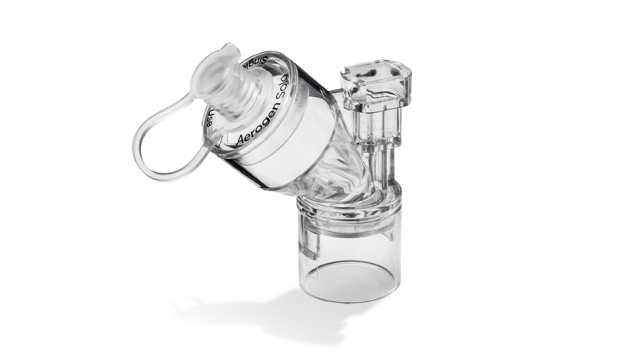
Un nébuliseur Aerogen intégré et synchronisé est disponible en option (Non commercialisé dans certains paysa​, Uniquement disponible pour le HAMILTON-C6/G5/S1b​).

L'administration d'une fine brume de particules de médicaments par aérosol permet d'inverser le bronchospasme, d'améliorer l'efficacité de la ventilation et de réduire l'hypercapnie chronique (Dhand R. New frontiers in aerosol delivery during mechanical ventilation. Respir Care. 2004;49(6):666-677. 100​, Waldrep JC, Dhand R. Advanced nebulizer designs employing vibrating mesh/aperture plate technologies for aerosol generation. Curr Drug Deliv. 2008;5(2):114-119. doi:10.2174/156720108783954815101​).

IntelliSync®+. Pour une synchronie patient-ventilateur

L'analyse continue des formes d’ondes des centaines de fois par seconde permet à l'IntelliSync+ de détecter immédiatement les efforts du patient et le cyclage et d'initier l'inspiration et l'expiration en temps réel.

L'IntelliSync+ s'applique à la ventilation invasive et non invasive, quel que soit le mode de ventilation.

Accès à l'humidificateur à distance. Pour votre confort

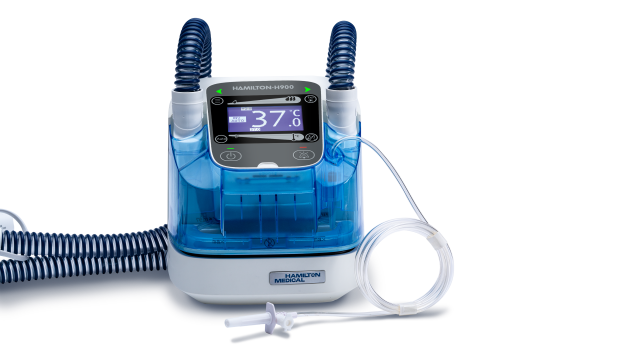
L'option de connectivité unique du ventilateur permet de commander l'humidificateur HAMILTON-H900 (Le HAMILTON-H900 n'est pas homologué pour le transport.e​) directement depuis l'écran du ventilateur. Vous pouvez accéder à tous les réglages, tous les paramètres de monitorage et toutes les alarmes, et les régler selon vos besoins.

L'humidificateur peut également sélectionner automatiquement le mode d'humidification (invasif, non invasif ou haut débit) en fonction du mode de ventilation sélectionné.

Valve de phonation. Pour les bavards

L'option de valve de phonation permet aux patients trachéotomisés de parler et même d'avaler, tout en recevant une assistance respiratoire.

Le monitorage, le déclenchement et la gestion des alarmes du ventilateur ont été ajustés pour être compatibles avec les valves de phonation en modes à pression contrôlée (VPC, VS/AI, VPC-VACI).

Capnographie volumétrique. Pour les CO2ntrol freaks

La mesure du débit proximal et du CO2 permet à nos ventilateurs de réaliser une capnographie volumétrique à la pointe de la technologie. Ces données constituent une référence importante pour évaluer la qualité de la ventilation et l'activité métabolique.

Panneau État Vent. Pour ceux qui sont prêts au sevrage

Le panneau État Vent affiche six paramètres relatifs à la dépendance du patient au ventilateur, notamment l’oxygénation, l’élimination du CO2 et l’activité du patient.

Une réglette variable, mobile de haut en bas dans chaque colonne, représente la valeur actuelle pour un paramètre donné.

Sevrage rapide. Pour les esprits indépendants

L'option Sevrage rapid. est une fonctionnalité du mode l'INTELLiVENT-ASV qui garantit un monitorage dynamique continu et contrôle les critères patient pour évaluer la possibilité de procéder à l'extubation du patient.

Panneau Poumon dynamique. Pour ceux qui aiment voir les choses

Le panneau Poumon dynamique vous montre une représentation graphique en temps réel des données de monitorage importantes suivantes :

  • Compliance et résistance
  • Déclenchement par le patient
  • SpO2
  • Fréquence de pouls

Boucles et tendances configurables. Pour les statisticiens

Le ventilateur peut afficher une boucle dynamique fondée sur une combinaison de paramètres monitorés sélectionnés. Grâce à la fonction de tendance, vous pouvez voir les informations de tendance affichées pour les paramètres de monitorage et la plage de temps de votre choix. 

Le dispositif mémorise en continu les paramètres monitorés, même en mode de veille.

Oxymétrie de pouls. Pour les passionnés de la SpO2

L'option SpO2 offre une mesure de SpO2 intégrée non invasive avec les données affichées sur votre ventilateur.

Nous proposons également une gamme complète de capteurs de SpO2.
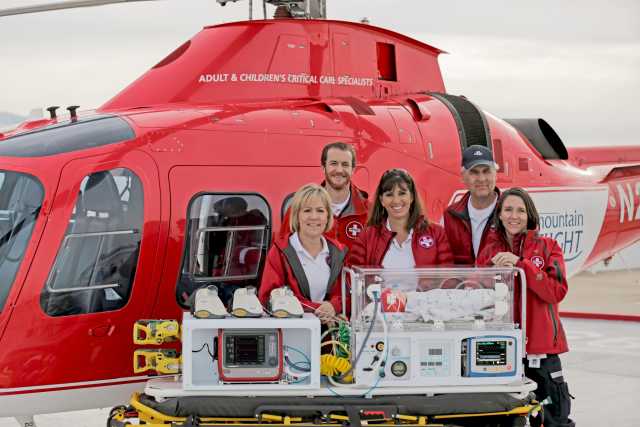
Intermountain Life Flight Rega - Garde aérienne suisse de sauvetage Life Link III

Intermountain Life Flight

Salt Lake City (Utah), États-Unis

Intermountain Life Flight est le principal service d'ambulance aérienne de l'Utah. Depuis le début du programme en 1978, nous sommes restés fidèles à notre engagement visant à fournir d'excellents soins aux patients via des hélicoptères, des avions et des ambulances terrestres.

Rega - Garde aérienne suisse de sauvetage

Zurich, Suisse

La Garde aérienne suisse de sauvetage est une fondation à but non lucratif de sauvetage aérien en Suisse, fondée en 1952 par des membres de la Société suisse de sauvetage et basée sur l'aéroport de Zurich.

Life Link III

Bloomington (Minnesota), États-Unis

Life Link III exploite neuf bases d'hélicoptères implantées dans le Minnesota et le Wisconsin. Des services d'hélicoptère et d'avions sont disponibles 24h/24, 7j/7. Ils interviennent sur site en cas d'urgence et assurent le transport entre établissements.

Pour vous

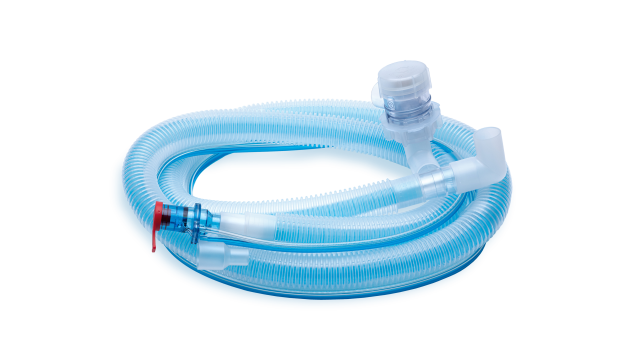
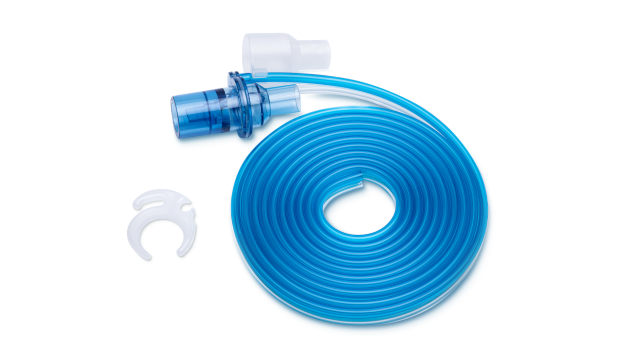
Kit de circuit respiratoire, coaxial

Pré-assemblés. Et prêts à l'emploi

Nos kits de circuit respiratoire pré-assemblés incluent les consommables essentiels au fonctionnement du ventilateur et sont livrés en un seul emballage pratique.

Tous nos consommables essentiels sont spécialement conçus pour les ventilateurs Hamilton Medical avec une qualité garantie par le fabricant.

Automatisation ; Main tournant un bouton dans le sens des aiguilles d'une montre

Moins de manipulations de boutons. Plus d'ajustements pour vos patients

Pour gérer la ventilation, vous devez généralement définir plusieurs paramètres, comme la pression, le volume, les déclenchements expiratoire et inspiratoire, la pression du ballonnet, et bien plus encore. Et chaque fois que l'état de santé de votre patient change, vous devez effectuer un voire plusieurs réajustements.

Pour simplifier ce processus et diminuer le nombre de manipulations de boutons, nous avons développé plusieurs solutions :

L'ASV (ventilation à aide adaptative) est un mode de ventilation qui adapte en continu la fréquence respiratoire, le volume courant et le temps inspiratoire en fonction de la mécanique et de l'activité respiratoires du patient. Il a été montré que l'ASV réduisait la durée de la ventilation mécanique dans plusieurs populations de patients avec moins de réglages manuels (Kirakli C, Naz I, Ediboglu O, Tatar D, Budak A, Tellioglu E. A randomized controlled trial comparing the ventilation duration between adaptive support ventilation and pressure assist/control ventilation in medical patients in the ICU. Chest. 2015;147(6):1503-1509. doi:10.1378/chest.14-25992​, Tam MK, Wong WT, Gomersall CD, et al. A randomized controlled trial of 2 protocols for weaning cardiac surgical patients receiving adaptive support ventilation. J Crit Care. 2016;33:163-168. doi:10.1016/j.jcrc.2016.01.0183​, Zhu F, Gomersall CD, Ng SK, Underwood MJ, Lee A. A randomized controlled trial of adaptive support ventilation mode to wean patients after fast-track cardiac valvular surgery. Anesthesiology. 2015;122(4):832-840. doi:10.1097/ALN.00000000000005894​).

Notre mode de ventilation intelligente INTELLiVENT-ASV vous permet de passer du rôle de manipulateur de boutons à celui de superviseur, réduit le nombre d'interventions manuelles sur le ventilateur (Arnal JM, Garnero A, Novotni D, et al. Closed loop ventilation mode in Intensive Care Unit: a randomized controlled clinical trial comparing the numbers of manual ventilator setting changes. Minerva Anestesiol. 2018;84(1):58-67. doi:10.23736/S0375-9393.17.11963-25​, Bialais E, Wittebole X, Vignaux L, et al. Closed-loop ventilation mode (IntelliVent®-ASV) in intensive care unit: a randomized trial. Minerva Anestesiol. 2016;82(6):657-668. 6​, Fot EV, Izotova NN, Yudina AS, Smetkin AA, Kuzkov VV, Kirov MY. Automated Weaning from Mechanical Ventilation after Off-Pump Coronary Artery Bypass Grafting. Front Med (Lausanne). 2017;4:31. Published 2017 Mar 21. doi:10.3389/fmed.2017.000317​) et garantit à vos patients une ventilation protectrice personnalisée (Bialais E, Wittebole X, Vignaux L, et al. Closed-loop ventilation mode (IntelliVent®-ASV) in intensive care unit: a randomized trial. Minerva Anestesiol. 2016;82(6):657-668. 6​, Fot EV, Izotova NN, Yudina AS, Smetkin AA, Kuzkov VV, Kirov MY. Automated Weaning from Mechanical Ventilation after Off-Pump Coronary Artery Bypass Grafting. Front Med (Lausanne). 2017;4:31. Published 2017 Mar 21. doi:10.3389/fmed.2017.000317​, Arnal JM, Saoli M, Garnero A. Airway and transpulmonary driving pressures and mechanical powers selected by INTELLiVENT-ASV in passive, mechanically ventilated ICU patients. Heart Lung. 2020;49(4):427-434. doi:10.1016/j.hrtlng.2019.11.0018​), de l'intubation à l'extubation.

Les solutions classiques de gestion de pression du ballonnet exigent de surveiller et d'ajuster manuellement la pression du ballonnet.

Le dispositif IntelliCuff sécurise les voies aériennes de votre patient (Chenelle CT, Oto J, Sulemanji D, Fisher DF, Kacmarek RM. Evaluation of an automated endotracheal tube cuff controller during simulated mechanical ventilation. Respir Care. 2015;60(2):183-190. doi:10.4187/respcare.033879​) en mesurant en permanence et en maintenant automatiquement la pression du ballonnet définie pour les patients adultes, enfants et nouveau-nés.

La fonction O2 assist est une technologie de gestion avancée de l'oxygène qui sert d'assistant de soins de précision au chevet du patient. En réglant en continu l'alimentation en oxygène, cette fonction permet de maintenir les niveaux de SpO2 du patient dans les plages cibles définies individuellement. Cela évite d’avoir à tourner sans cesse les boutons (Roca O, Caritg O, Santafé M, et al. Closed-loop oxygen control improves oxygen therapy in acute hypoxemic respiratory failure patients under high flow nasal oxygen: a randomized cross-over study (the HILOOP study). Crit Care. 2022;26(1):108. Published 2022 Apr 14. doi:10.1186/s13054-022-03970-w105​, Atakul G, Ceylan G, Sandal O, et al. Closed-loop oxygen usage during invasive mechanical ventilation of pediatric patients (CLOUDIMPP): a randomized controlled cross-over study. Front Med (Lausanne). 2024;11:1426969. Published 2024 Sep 10. doi:10.3389/fmed.2024.1426969106​) et permet de diminuer le risque d'hyperoxémie et d'hypoxémie pour vos patients (Sandal O, Ceylan G, Topal S, et al. Closed-loop oxygen control improves oxygenation in pediatric patients under high-flow nasal oxygen-A randomized crossover study. Front Med (Lausanne). 2022;9:1046902. Published 2022 Nov 16. doi:10.3389/fmed.2022.1046902107​, Trottier M, Bouchard PA, L'Her E, Lellouche F. Automated Oxygen Titration During CPAP and Noninvasive Ventilation in Healthy Subjects With Induced Hypoxemia. Respir Care. 2023;68(11):1553-1560. doi:10.4187/respcare.09866108​).

Interaction professionnelle avec l'écran tactile

Une aide à disposition ! Dépannage à l'écran

En cas de problème, le ventilateur déclenche une alarme signalée par la zone lumineuse d'alarme, une tonalité et l'affichage d'un message à l'écran.

L'aide en ligne vous propose des options pour résoudre l'alarme.

Professionnels étudiant des formations en ligne Hamilton Medical

Prenez le contrôle ! Parcours d'apprentissage et contenu de formation

Notre Academy en ligne offre des parcours d'apprentissage simples à suivre pour vous familiariser le plus rapidement possible avec les produits et les technologies Hamilton Medical.

Dr. Ralf Huth Trisha Degoyer Thomas Burren

Témoignages de clients

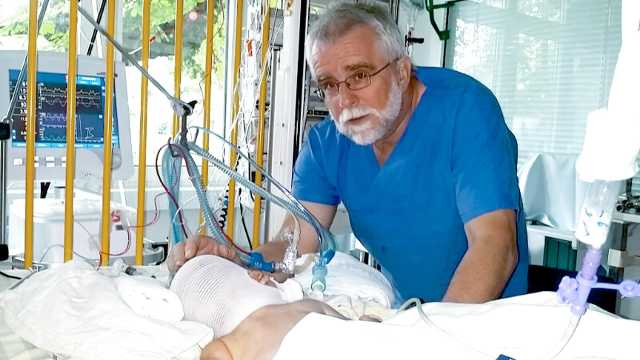
Nous utilisons le HAMILTON-T1 pour le transport intrahospitalier et les transferts vers d'autres hôpitaux. Le patient bénéficie ainsi de la même qualité de ventilation au cours du transport aussi bien qu'à son chevet.

Dr. Ralf Huth

Médecin-chef interdisciplinaire, USIP
Centre de pédiatrie et de médecine de l'adolescence, Mayence, Allemagne

Témoignages de clients

Pouvoir utiliser la nCPAP avec le HAMILTON‑T1 est un réel avantage pour nous. Nous n'avons plus besoin d'intuber certains bébés juste pour le transport.

Trisha Degoyer

Infirmière diplômée en néonatalogie Life Flight
Intermountain Life Flight, Salt Lake City (Utah), États-Unis

Témoignages de clients

Le ventilateur de transport HAMILTON‑T1 est très petit et compact, mais offre toutes les fonctions d'un ventilateur d'USI classique.

Thomas Burren

Infirmier en chef à la Rega
Garde aérienne de sauvetage Rega, Zurich, Suisse

Pour le futur

Image d'une boussole orientée vers le futur

Une évolution constante. Développement des capacités de votre ventilateur

Nous travaillons constamment au développement de nos produits. De nouvelles fonctionnalités sont ajoutées et des fonctionnalités existantes sont améliorées pour s'assurer que vous ayez toujours accès à la dernière technologie de ventilation tout au long de la durée de vie de votre ventilateur.

Des ventilateurs toujours à la pointe de la technologie
Famille de ventilateurs Hamilton Famille de ventilateurs Hamilton

Maîtrisez-en un, vous les maîtriserez tous. Une interface utilisateur universelle

L'interface utilisateur fonctionne de la même manière sur tous les ventilateurs Hamilton Medical et ce, indépendamment de son utilisation en USI, en salle d'examen IRM ou lors de déplacements.

Notre Ventilation Cockpit intègre des données complexes qui sont représentées visuellement de façon intuitive.

Pour une solution complète

Accessoires entièrement intégrés

Nous développons nos accessoires en gardant à l'esprit l'optimisation de la simplicité d'utilisation et de la sécurité du patient. Dès que cela est possible, nous les intégrons à nos ventilateurs pour simplifier le fonctionnement du système complet du ventilateur.

Nos consommables

Toutes les pièces d'origine Hamilton Medical sont conçues pour garantir des performances optimales avec les ventilateurs Hamilton Medical. Nous visons le plus haut niveau d'exigences en termes de qualité et de sécurité pour garantir au maximum la satisfaction de l'utilisateur et la sécurité du patient.
Photo d'un employé

Parlez à nos experts. Discutons de vos besoins

Notre équipe de spécialistes de la ventilation est heureuse de vous aider à choisir le ventilateur idéal pour votre environnement clinique et à atteindre vos objectifs thérapeutiques. Obtenez un devis personnalisé ou planifiez un rappel pour plus d'informations.
Références

  1. 1. Hilbert-Carius, P., Struck, M.F., Hofer, V. et al. Nutzung des Hubschrauber-Respirators vom Landeplatz zum Zielort im Krankenhaus. Notfall Rettungsmed 23, 106–112 (2020).
  2. 2. Kirakli C, Naz I, Ediboglu O, Tatar D, Budak A, Tellioglu E. A randomized controlled trial comparing the ventilation duration between adaptive support ventilation and pressure assist/control ventilation in medical patients in the ICU. Chest. 2015;147(6):1503-1509. doi:10.1378/chest.14-2599
  3. 3. Tam MK, Wong WT, Gomersall CD, et al. A randomized controlled trial of 2 protocols for weaning cardiac surgical patients receiving adaptive support ventilation. J Crit Care. 2016;33:163-168. doi:10.1016/j.jcrc.2016.01.018
  4. 4. Zhu F, Gomersall CD, Ng SK, Underwood MJ, Lee A. A randomized controlled trial of adaptive support ventilation mode to wean patients after fast-track cardiac valvular surgery. Anesthesiology. 2015;122(4):832-840. doi:10.1097/ALN.0000000000000589
  5. 5. Arnal JM, Garnero A, Novotni D, et al. Closed loop ventilation mode in Intensive Care Unit: a randomized controlled clinical trial comparing the numbers of manual ventilator setting changes. Minerva Anestesiol. 2018;84(1):58-67. doi:10.23736/S0375-9393.17.11963-2
  6. 6. Bialais E, Wittebole X, Vignaux L, et al. Closed-loop ventilation mode (IntelliVent®-ASV) in intensive care unit: a randomized trial. Minerva Anestesiol. 2016;82(6):657-668.
  7. 7. Fot EV, Izotova NN, Yudina AS, Smetkin AA, Kuzkov VV, Kirov MY. Automated Weaning from Mechanical Ventilation after Off-Pump Coronary Artery Bypass Grafting. Front Med (Lausanne). 2017;4:31. Published 2017 Mar 21. doi:10.3389/fmed.2017.00031
  8. 8. Arnal JM, Saoli M, Garnero A. Airway and transpulmonary driving pressures and mechanical powers selected by INTELLiVENT-ASV in passive, mechanically ventilated ICU patients. Heart Lung. 2020;49(4):427-434. doi:10.1016/j.hrtlng.2019.11.001


  1. 9. Chenelle CT, Oto J, Sulemanji D, Fisher DF, Kacmarek RM. Evaluation of an automated endotracheal tube cuff controller during simulated mechanical ventilation. Respir Care. 2015;60(2):183-190. doi:10.4187/respcare.03387
  2. 100. Dhand R. New frontiers in aerosol delivery during mechanical ventilation. Respir Care. 2004;49(6):666-677.
  3. 101. Waldrep JC, Dhand R. Advanced nebulizer designs employing vibrating mesh/aperture plate technologies for aerosol generation. Curr Drug Deliv. 2008;5(2):114-119. doi:10.2174/156720108783954815
  4. 105. Roca O, Caritg O, Santafé M, et al. Closed-loop oxygen control improves oxygen therapy in acute hypoxemic respiratory failure patients under high flow nasal oxygen: a randomized cross-over study (the HILOOP study). Crit Care. 2022;26(1):108. Published 2022 Apr 14. doi:10.1186/s13054-022-03970-w
  5. 106. Atakul G, Ceylan G, Sandal O, et al. Closed-loop oxygen usage during invasive mechanical ventilation of pediatric patients (CLOUDIMPP): a randomized controlled cross-over study. Front Med (Lausanne). 2024;11:1426969. Published 2024 Sep 10. doi:10.3389/fmed.2024.1426969
  6. 107. Sandal O, Ceylan G, Topal S, et al. Closed-loop oxygen control improves oxygenation in pediatric patients under high-flow nasal oxygen-A randomized crossover study. Front Med (Lausanne). 2022;9:1046902. Published 2022 Nov 16. doi:10.3389/fmed.2022.1046902
  7. 108. Trottier M, Bouchard PA, L'Her E, Lellouche F. Automated Oxygen Titration During CPAP and Noninvasive Ventilation in Healthy Subjects With Induced Hypoxemia. Respir Care. 2023;68(11):1553-1560. doi:10.4187/respcare.09866

Notes en bas de page

  • A. Transfert de patients ventilés dans le cadre des Services médicaux d'urgence HEMS [Helicopter Emergency Medical Service] vers le service des urgences
  • B. https://www.aarc.org/wp-content/uploads/2020/03/ventilator-acquisition-issue-paper.pdf
  • D. Le HAMILTON-H900 n'est pas homologué pour le transport.


  • a. Non commercialisé dans certains pays
  • b. Uniquement disponible pour HAMILTON-C6/G5/S1
  • f. Également appelée thérapie d'oxygène à haut débit. Cette terminologie peut être utilisée de façon interchangeable avec la thérapie à haut débit par canule nasale.

Nutzung des Hubschrauber-Respirators vom Landeplatz zum Zielort im Krankenhaus Sekundäranalyse der HOVER-Umfrage zu beatmeten Notfallpatienten in der Luftrettung

Hilbert-Carius, P., Struck, M.F., Hofer, V. et al. Nutzung des Hubschrauber-Respirators vom Landeplatz zum Zielort im Krankenhaus. Notfall Rettungsmed 23, 106–112 (2020).

A randomized controlled trial comparing the ventilation duration between adaptive support ventilation and pressure assist/control ventilation in medical patients in the ICU.

Kirakli C, Naz I, Ediboglu O, Tatar D, Budak A, Tellioglu E. A randomized controlled trial comparing the ventilation duration between adaptive support ventilation and pressure assist/control ventilation in medical patients in the ICU. Chest. 2015;147(6):1503-1509. doi:10.1378/chest.14-2599

BACKGROUND Adaptive support ventilation (ASV) is a closed loop mode of mechanical ventilation (MV) that provides a target minute ventilation by automatically adapting inspiratory pressure and respiratory rate with the minimum work of breathing on the part of the patient. The aim of this study was to determine the effect of ASV on total MV duration when compared with pressure assist/control ventilation. METHODS Adult medical patients intubated and mechanically ventilated for > 24 h in a medical ICU were randomized to either ASV or pressure assist/control ventilation. Sedation and medical treatment were standardized for each group. Primary outcome was the total MV duration. Secondary outcomes were the weaning duration, number of manual settings of the ventilator, and weaning success rates. RESULTS Two hundred twenty-nine patients were included. Median MV duration until weaning, weaning duration, and total MV duration were significantly shorter in the ASV group (67 [43-94] h vs 92 [61-165] h, P = .003; 2 [2-2] h vs 2 [2-80] h, P = .001; and 4 [2-6] days vs 4 [3-9] days, P = .016, respectively). Patients in the ASV group required fewer total number of manual settings on the ventilator to reach the desired pH and Paco2 levels (2 [1-2] vs 3 [2-5], P < .001). The number of patients extubated successfully on the first attempt was significantly higher in the ASV group (P = .001). Weaning success and mortality at day 28 were comparable between the two groups. CONCLUSIONS In medical patients in the ICU, ASV may shorten the duration of weaning and total MV duration with a fewer number of manual ventilator settings. TRIAL REGISTRY ClinicalTrials.gov; No.: NCT01472302; URL: www.clinicaltrials.gov.

A randomized controlled trial of 2 protocols for weaning cardiac surgical patients receiving adaptive support ventilation.

Tam MK, Wong WT, Gomersall CD, et al. A randomized controlled trial of 2 protocols for weaning cardiac surgical patients receiving adaptive support ventilation. J Crit Care. 2016;33:163-168. doi:10.1016/j.jcrc.2016.01.018

PURPOSE This study aims to compare the effectiveness of weaning with adaptive support ventilation (ASV) incorporating progressively reduced or constant target minute ventilation in the protocol in postoperative care after cardiac surgery. MATERIAL AND METHODS A randomized controlled unblinded study of 52 patients after elective coronary artery bypass surgery was carried out to determine whether a protocol incorporating a decremental target minute ventilation (DTMV) results in more rapid weaning of patients ventilated in ASV mode compared to a protocol incorporating a constant target minute ventilation. RESULTS Median duration of mechanical ventilation (145 vs 309 minutes; P = .001) and intubation (225 vs 423 minutes; P = .005) were significantly shorter in the DTMV group. There was no difference in adverse effects (42% vs 46%) or mortality (0% vs 0%) between the 2 groups. CONCLUSIONS Use of a DTMV protocol for postoperative ventilation of cardiac surgical patients in ASV mode results in a shorter duration of ventilation and intubation without evidence of increased risk of adverse effects.

A randomized controlled trial of adaptive support ventilation mode to wean patients after fast-track cardiac valvular surgery.

Zhu F, Gomersall CD, Ng SK, Underwood MJ, Lee A. A randomized controlled trial of adaptive support ventilation mode to wean patients after fast-track cardiac valvular surgery. Anesthesiology. 2015;122(4):832-840. doi:10.1097/ALN.0000000000000589

BACKGROUND Adaptive support ventilation can speed weaning after coronary artery surgery compared with protocolized weaning using other modes. There are no data to support this mode of weaning after cardiac valvular surgery. Furthermore, control group weaning times have been long, suggesting that the results may reflect control group protocols that delay weaning rather than a real advantage of adaptive support ventilation. METHODS Randomized (computer-generated sequence and sealed opaque envelopes), parallel-arm, unblinded trial of adaptive support ventilation versus physician-directed weaning after adult fast-track cardiac valvular surgery. The primary outcome was duration of mechanical ventilation. Patients aged 18 to 80 yr without significant renal, liver, or lung disease or severe impairment of left ventricular function undergoing uncomplicated elective valve surgery were eligible. Care was standardized, except postoperative ventilation. In the adaptive support ventilation group, target minute ventilation and inspired oxygen concentration were adjusted according to blood gases. A spontaneous breathing trial was carried out when the total inspiratory pressure of 15 cm H2O or less with positive end-expiratory pressure of 5 cm H2O. In the control group, the duty physician made all ventilatory decisions. RESULTS Median duration of ventilation was statistically significantly shorter (P = 0.013) in the adaptive support ventilation group (205 [141 to 295] min, n = 30) than that in controls (342 [214 to 491] min, n = 31). Manual ventilator changes and alarms were less common in the adaptive support ventilation group, and arterial blood gas estimations were more common. CONCLUSION Adaptive support ventilation reduces ventilation time by more than 2 h in patients who have undergone fast-track cardiac valvular surgery while reducing the number of manual ventilator changes and alarms.

Closed loop ventilation mode in Intensive Care Unit: a randomized controlled clinical trial comparing the numbers of manual ventilator setting changes.

Arnal JM, Garnero A, Novotni D, et al. Closed loop ventilation mode in Intensive Care Unit: a randomized controlled clinical trial comparing the numbers of manual ventilator setting changes. Minerva Anestesiol. 2018;84(1):58-67. doi:10.23736/S0375-9393.17.11963-2

BACKGROUND There is an equipoise regarding closed-loop ventilation modes and the ability to reduce workload for providers. On one hand some settings are managed by the ventilator but on another hand the automatic mode introduces new settings for the user. METHODS This randomized controlled trial compared the number of manual ventilator setting changes between a full closed loop ventilation and oxygenation mode (INTELLiVENT-ASV®) and conventional ventilation modes (volume assist control and pressure support) in Intensive Care Unit (ICU) patients. The secondary endpoints were to compare the number of arterial blood gas analysis, the sedation dose and the user acceptance. Sixty subjects with an expected duration of mechanical ventilation of at least 48 hours were randomized to be ventilated using INTELLiVENT-ASV® or conventional modes with a protocolized weaning. All manual ventilator setting changes were recorded continuously from inclusion to successful extubation or death. Arterial blood gases were performed upon decision of the clinician in charge. User acceptance score was assessed for nurses and physicians once daily using a Likert Scale. RESULTS The number of manual ventilator setting changes per 24 h-period per subject was lower in INTELLiVENT-ASV® as compared to conventional ventilation group (5 [4-7] versus 10 [7-17]) manuals settings per subject per day [P<0.001]). The number of arterial blood gas analysis and the sedation doses were not significantly different between the groups. Nurses and physicians reported that INTELLiVENT-ASV® was significantly easier to use as compared to conventional ventilation (P<0.001 for nurses and P<0.01 for physicians). CONCLUSIONS For mechanically ventilated ICU patients, INTELLiVENT-ASV® significantly reduces the number of manual ventilator setting changes with the same number of arterial blood gas analysis and sedation dose, and is easier to use for the caregivers as compared to conventional ventilation modes.

Closed-loop ventilation mode (IntelliVent®-ASV) in intensive care unit: a randomized trial.

Bialais E, Wittebole X, Vignaux L, et al. Closed-loop ventilation mode (IntelliVent®-ASV) in intensive care unit: a randomized trial. Minerva Anestesiol. 2016;82(6):657-668.

BACKGROUND Closed-loop modes automatically adjust ventilation settings, delivering individualized ventilation over short periods of time. The objective of this randomized controlled trial was to compare safety, efficacy and workload for the health care team between IntelliVent®-ASV and conventional modes over a 48-hour period. METHODS ICU patients admitted with an expected duration of mechanical ventilation of more than 48 hours were randomized to IntelliVent®-ASV or conventional ventilation modes. All ventilation parameters were recorded breath-by-breath. The number of manual adjustments assesses workload for the healthcare team. Safety and efficacy were assessed by calculating the time spent within previously defined ranges of non-optimal and optimal ventilation, respectively. RESULTS Eighty patients were analyzed. The median values of ventilation parameters over 48 hours were similar in both groups except for PEEP (7[4] cmH2O versus 6[3] cmH2O with IntelliVent®-ASV and conventional ventilation, respectively, P=0.028) and PETCO2 (36±7 mmHg with IntelliVent®-ASV versus 40±8 mmHg with conventional ventilation, P=0.041). Safety was similar between IntelliVent®-ASV and conventional ventilation for all parameters except for PMAX, which was more often non-optimal with IntelliVent®-ASV (P=0.001). Efficacy was comparable between the 2 ventilation strategies, except for SpO2 and VT, which were more often optimal with IntelliVent®-ASV (P=0.005, P=0.016, respectively). IntelliVent®-ASV required less manual adjustments than conventional ventilation (P<0.001) for a higher total number of adjustments (P<0.001). The coefficient of variation over 48 hours was larger with IntelliVent®-ASV in regard of maximum pressure, inspiratory pressure (PINSP), and PEEP as compared to conventional ventilation. CONCLUSIONS IntelliVent®-ASV required less manual intervention and delivered more variable PEEP and PINSP, while delivering ventilation safe and effective ventilation in terms of VT, RR, SpO2 and PETCO2.

Automated Weaning from Mechanical Ventilation after Off-Pump Coronary Artery Bypass Grafting.

Fot EV, Izotova NN, Yudina AS, Smetkin AA, Kuzkov VV, Kirov MY. Automated Weaning from Mechanical Ventilation after Off-Pump Coronary Artery Bypass Grafting. Front Med (Lausanne). 2017;4:31. Published 2017 Mar 21. doi:10.3389/fmed.2017.00031

BACKGROUND The discontinuation of mechanical ventilation after coronary surgery may prolong and significantly increase the load on intensive care unit personnel. We hypothesized that automated mode using INTELLiVENT-ASV can decrease duration of postoperative mechanical ventilation, reduce workload on medical staff, and provide safe ventilation after off-pump coronary artery bypass grafting (OPCAB). The primary endpoint of our study was to assess the duration of postoperative mechanical ventilation during different modes of weaning from respiratory support (RS) after OPCAB. The secondary endpoint was to assess safety of the automated weaning mode and the number of manual interventions to the ventilator settings during the weaning process in comparison with the protocolized weaning mode. MATERIALS AND METHODS Forty adult patients undergoing elective OPCAB were enrolled into a prospective single-center study. Patients were randomized into two groups: automated weaning (n = 20) using INTELLiVENT-ASV mode with quick-wean option; and protocolized weaning (n = 20), using conventional synchronized intermittent mandatory ventilation (SIMV) + pressure support (PS) mode. We assessed the duration of postoperative ventilation, incidence and duration of unacceptable RS, and the load on medical staff. We also performed the retrospective analysis of 102 patients (standard weaning) who were weaned from ventilator with SIMV + PS mode based on physician's experience without prearranged algorithm. RESULTS AND DISCUSSION Realization of the automated weaning protocol required change in respiratory settings in 2 patients vs. 7 (5-9) adjustments per patient in the protocolized weaning group. Both incidence and duration of unacceptable RS were reduced significantly by means of the automated weaning approach. The FiO2 during spontaneous breathing trials was significantly lower in the automated weaning group: 30 (30-35) vs. 40 (40-45) % in the protocolized weaning group (p < 0.01). The average time until tracheal extubation did not differ in the automated weaning and the protocolized weaning groups: 193 (115-309) and 197 (158-253) min, respectively, but increased to 290 (210-411) min in the standard weaning group. CONCLUSION The automated weaning system after off-pump coronary surgery might provide postoperative ventilation in a more protective way, reduces the workload on medical staff, and does not prolong the duration of weaning from ventilator. The use of automated or protocolized weaning can reduce the duration of postoperative mechanical ventilation in comparison with non-protocolized weaning based on the physician's decision.

Airway and transpulmonary driving pressures and mechanical powers selected by INTELLiVENT-ASV in passive, mechanically ventilated ICU patients.

Arnal JM, Saoli M, Garnero A. Airway and transpulmonary driving pressures and mechanical powers selected by INTELLiVENT-ASV in passive, mechanically ventilated ICU patients. Heart Lung. 2020;49(4):427-434. doi:10.1016/j.hrtlng.2019.11.001

BACKGROUND Driving pressure (ΔP) and mechanical power (MP) are predictors of the risk of ventilation- induced lung injuries (VILI) in mechanically ventilated patients. INTELLiVENT-ASV® is a closed-loop ventilation mode that automatically adjusts respiratory rate and tidal volume, according to the patient's respiratory mechanics. OBJECTIVES This prospective observational study investigated ΔP and MP (and also transpulmonary ΔP (ΔPL) and MP (MPL) for a subgroup of patients) delivered by INTELLiVENT-ASV. METHODS Adult patients admitted to the ICU were included if they were sedated and met the criteria for a single lung condition (normal lungs, COPD, or ARDS). INTELLiVENT-ASV was used with default target settings. If PEEP was above 16 cmH2O, the recruitment strategy used transpulmonary pressure as a reference, and ΔPL and MPL were computed. Measurements were made once for each patient. RESULTS Of the 255 patients included, 98 patients were classified as normal-lungs, 28 as COPD, and 129 as ARDS patients. The median ΔP was 8 (7 - 10), 10 (8 - 12), and 9 (8 - 11) cmH2O for normal-lungs, COPD, and ARDS patients, respectively. The median MP was 9.1 (4.9 - 13.5), 11.8 (8.6 - 16.5), and 8.8 (5.6 - 13.8) J/min for normal-lungs, COPD, and ARDS patients, respectively. For the 19 patients managed with transpulmonary pressure ΔPL was 6 (4 - 7) cmH2O and MPL was 3.6 (3.1 - 4.4) J/min. CONCLUSIONS In this short term observation study, INTELLiVENT-ASV selected ΔP and MP considered in safe ranges for lung protection. In a subgroup of ARDS patients, the combination of a recruitment strategy and INTELLiVENT-ASV resulted in an apparently safe ΔPL and MPL.

Evaluation of an automated endotracheal tube cuff controller during simulated mechanical ventilation.

Chenelle CT, Oto J, Sulemanji D, Fisher DF, Kacmarek RM. Evaluation of an automated endotracheal tube cuff controller during simulated mechanical ventilation. Respir Care. 2015;60(2):183-190. doi:10.4187/respcare.03387

BACKGROUND Maintaining endotracheal tube cuff pressure within a narrow range is an important factor in patient care. The goal of this study was to evaluate the IntelliCuff against the manual technique for maintaining cuff pressure during simulated mechanical ventilation with and without movement. METHODS The IntelliCuff was compared to the manual technique of a manometer and syringe. Two independent studies were performed during mechanical ventilation: part 1, a 2-h trial incorporating continuous mannikin head movement; and part 2, an 8-h trial using a stationary trachea model. We set cuff pressure to 25 cm H2O, PEEP to 10 cm H2O, and peak inspiratory pressures to 20, 30, and 40 cm H2O. Clinical importance was defined as both statistically significant (P<.05) and clinically significant (pressure change [Δ]>10%). RESULTS In part 1, the change in cuff pressure from before to after ventilation was clinically important for the manual technique (P<.001, Δ=-39.6%) but not for the IntelliCuff (P=.02, Δ=3.5%). In part 2, the change in cuff pressure from before to after ventilation was clinically important for the manual technique (P=.004, Δ=-14.39%) but not for the IntelliCuff (P=.20, Δ=5.65%). CONCLUSIONS There was a clinically important drop in manually set cuff pressure during simulated mechanical ventilation in a stationary model and an even larger drop with movement, but this was significantly reduced by the IntelliCuff in both scenarios. Additionally, we observed that cuff pressure varied directly with inspiratory airway pressure for both techniques, leading to elevated average cuff pressures.

New frontiers in aerosol delivery during mechanical ventilation.

Dhand R. New frontiers in aerosol delivery during mechanical ventilation. Respir Care. 2004;49(6):666-677.

The scientific basis for inhalation therapy in mechanically-ventilated patients is now firmly established. A variety of new devices that deliver drugs to the lung with high efficiency could be employed for drug delivery during mechanical ventilation. Encapsulation of drugs within liposomes could increase the amount of drug delivered, prolong the effect of a dose, and minimize adverse effects. With improved inhalation devices and surfactant formulations, inhaled surfactant could be employed for several indications in mechanically-ventilated patients. Research is unraveling the causes of some disorders that have been poorly understood, and our improved understanding of the causal mechanisms of various respiratory disorders will provide new applications for inhaled therapies.

Advanced nebulizer designs employing vibrating mesh/aperture plate technologies for aerosol generation.

Waldrep JC, Dhand R. Advanced nebulizer designs employing vibrating mesh/aperture plate technologies for aerosol generation. Curr Drug Deliv. 2008;5(2):114-119. doi:10.2174/156720108783954815

Recent technological advances and improved nebulizer designs have overcome many limitations of jet nebulizers. Newer devices employ a vibrating mesh or aperture plate (VM/AP) for the generation of therapeutic aerosols with consistent, increased efficiency, predominant aerosol fine particle fractions, low residuals, and the ability to nebulize even microliter volumes. These enhancements are achieved through several different design features and include improvements that promote patient compliance, such as compact design, portability, shorter treatment durations, and quiet operation. Current VM/AP devices in clinical use are the Omron MicroAir, the Nektar Aeroneb, and the Pari eFlow. However, some devices are only approved for use with specific medications. Development of "smart nebulizers" such as the Respironics I-neb couple VM technologies with coordinated delivery and optimized inhalation patterns to enhance inhaled drug delivery of specialized, expensive formulations. Ongoing development of advanced aerosol technologies should improve clinical outcomes and continue to expand therapeutic options as newer inhaled drugs become available.

Closed-loop oxygen control improves oxygen therapy in acute hypoxemic respiratory failure patients under high flow nasal oxygen: a randomized cross-over study (the HILOOP study).

Roca O, Caritg O, Santafé M, et al. Closed-loop oxygen control improves oxygen therapy in acute hypoxemic respiratory failure patients under high flow nasal oxygen: a randomized cross-over study (the HILOOP study). Crit Care. 2022;26(1):108. Published 2022 Apr 14. doi:10.1186/s13054-022-03970-w

BACKGROUND We aimed to assess the efficacy of a closed-loop oxygen control in critically ill patients with moderate to severe acute hypoxemic respiratory failure (AHRF) treated with high flow nasal oxygen (HFNO). METHODS In this single-centre, single-blinded, randomized crossover study, adult patients with moderate to severe AHRF who were treated with HFNO (flow rate ≥ 40 L/min with FiO2 ≥ 0.30) were randomly assigned to start with a 4-h period of closed-loop oxygen control or 4-h period of manual oxygen titration, after which each patient was switched to the alternate therapy. The primary outcome was the percentage of time spent in the individualized optimal SpO2 range. RESULTS Forty-five patients were included. Patients spent more time in the optimal SpO2 range with closed-loop oxygen control compared with manual titrations of oxygen (96.5 [93.5 to 98.9] % vs. 89 [77.4 to 95.9] %; p < 0.0001) (difference estimate, 10.4 (95% confidence interval 5.2 to 17.2). Patients spent less time in the suboptimal range during closed-loop oxygen control, both above and below the cut-offs of the optimal SpO2 range, and less time above the suboptimal range. Fewer number of manual adjustments per hour were needed with closed-loop oxygen control. The number of events of SpO2 < 88% and < 85% were not significantly different between groups. CONCLUSIONS Closed-loop oxygen control improves oxygen administration in patients with moderate-to-severe AHRF treated with HFNO, increasing the percentage of time in the optimal oxygenation range and decreasing the workload of healthcare personnel. These results are especially relevant in a context of limited oxygen supply and high medical demand, such as the COVID-19 pandemic. Trial registration The HILOOP study was registered at www. CLINICALTRIALS gov under the identifier NCT04965844 .

Closed-loop oxygen usage during invasive mechanical ventilation of pediatric patients (CLOUDIMPP): a randomized controlled cross-over study.

Atakul G, Ceylan G, Sandal O, et al. Closed-loop oxygen usage during invasive mechanical ventilation of pediatric patients (CLOUDIMPP): a randomized controlled cross-over study. Front Med (Lausanne). 2024;11:1426969. Published 2024 Sep 10. doi:10.3389/fmed.2024.1426969

BACKGROUND The aim of this study is the evaluation of a closed-loop oxygen control system in pediatric patients undergoing invasive mechanical ventilation (IMV). METHODS Cross-over, multicenter, randomized, single-blind clinical trial. Patients between the ages of 1 month and 18 years who were undergoing IMV therapy for acute hypoxemic respiratory failure (AHRF) were assigned at random to either begin with a 2-hour period of closed-loop oxygen control or manual oxygen titrations. By using closed-loop oxygen control, the patients' SpO2 levels were maintained within a predetermined target range by the automated adjustment of the FiO2. During the manual oxygen titration phase of the trial, healthcare professionals at the bedside made manual changes to the FiO2, while maintaining the same target range for SpO2. Following either period, the patient transitioned to the alternative therapy. The outcomes were the percentage of time spent in predefined SpO2 ranges ±2% (primary), FiO2, total oxygen use, and the number of manual adjustments. FINDINGS The median age of included 33 patients was 17 (13-55.5) months. In contrast to manual oxygen titrations, patients spent a greater proportion of time within a predefined optimal SpO2 range when the closed-loop oxygen controller was enabled (95.7% [IQR 92.1-100%] vs. 65.6% [IQR 41.6-82.5%]), mean difference 33.4% [95%-CI 24.5-42%]; P < 0.001). Median FiO2 was lower (32.1% [IQR 23.9-54.1%] vs. 40.6% [IQR 31.1-62.8%]; P < 0.001) similar to total oxygen use (19.8 L/h [IQR 4.6-64.8] vs. 39.4 L/h [IQR 16.8-79]; P < 0.001); however, median SpO2/FiO2 was higher (329.4 [IQR 180-411.1] vs. 246.7 [IQR 151.1-320.5]; P < 0.001) with closed-loop oxygen control. With closed-loop oxygen control, the median number of manual adjustments reduced (0.0 [IQR 0.0-0.0] vs. 1 [IQR 0.0-2.2]; P < 0.001). CONCLUSION Closed-loop oxygen control enhances oxygen therapy in pediatric patients undergoing IMV for AHRF, potentially leading to more efficient utilization of oxygen. This technology also decreases the necessity for manual adjustments, which could reduce the workloads of healthcare providers. CLINICAL TRIAL REGISTRATION This research has been submitted to ClinicalTrials.gov (NCT05714527).

Closed-loop oxygen control improves oxygenation in pediatric patients under high-flow nasal oxygen-A randomized crossover study.

Sandal O, Ceylan G, Topal S, et al. Closed-loop oxygen control improves oxygenation in pediatric patients under high-flow nasal oxygen-A randomized crossover study. Front Med (Lausanne). 2022;9:1046902. Published 2022 Nov 16. doi:10.3389/fmed.2022.1046902

BACKGROUND We assessed the effect of a closed-loop oxygen control system in pediatric patients receiving high-flow nasal oxygen therapy (HFNO). METHODS A multicentre, single-blinded, randomized, and cross-over study. Patients aged between 1 month and 18 years of age receiving HFNO for acute hypoxemic respiratory failure (AHRF) were randomly assigned to start with a 2-h period of closed-loop oxygen control or a 2-h period of manual oxygen titrations, after which the patient switched to the alternative therapy. The endpoints were the percentage of time spent in predefined SpO2 ranges (primary), FiO2, SpO2/FiO2, and the number of manual adjustments. FINDINGS We included 23 patients, aged a median of 18 (3-26) months. Patients spent more time in a predefined optimal SpO2 range when the closed-loop oxygen controller was activated compared to manual oxygen titrations [91⋅3% (IQR 78⋅4-95⋅1%) vs. 63⋅0% (IQR 44⋅4-70⋅7%)], mean difference [28⋅2% (95%-CI 20⋅6-37⋅8%); P < 0.001]. Median FiO2 was lower [33⋅3% (IQR 26⋅6-44⋅6%) vs. 42⋅6% (IQR 33⋅6-49⋅9%); P = 0.07], but median SpO2/FiO2 was higher [289 (IQR 207-348) vs. 194 (IQR 98-317); P = 0.023] with closed-loop oxygen control. The median number of manual adjustments was lower with closed-loop oxygen control [0⋅0 (IQR 0⋅0-0⋅0) vs. 0⋅5 (IQR 0⋅0-1⋅0); P < 0.001]. CONCLUSION Closed-loop oxygen control improves oxygenation therapy in pediatric patients receiving HFNO for AHRF and potentially leads to more efficient oxygen use. It reduces the number of manual adjustments, which may translate into decreased workloads of healthcare providers. CLINICAL TRIAL REGISTRATION [www.ClinicalTrials.gov], identifier [NCT05032365].

Automated Oxygen Titration During CPAP and Noninvasive Ventilation in Healthy Subjects With Induced Hypoxemia.

Trottier M, Bouchard PA, L'Her E, Lellouche F. Automated Oxygen Titration During CPAP and Noninvasive Ventilation in Healthy Subjects With Induced Hypoxemia. Respir Care. 2023;68(11):1553-1560. doi:10.4187/respcare.09866

BACKGROUND Automated oxygen titration to maintain a stable SpO2 has been developed for spontaneously breathing patients but has not been evaluated during CPAP and noninvasive ventilation (NIV). METHODS We performed a randomized controlled crossover, double-blind study on 10 healthy subjects with induced hypoxemia during 3 situations: spontaneous breathing with oxygen support, CPAP (5 cm H2O), and NIV (7/3 cm H2O). We conducted in random order 3 dynamic hypoxic challenges of 5 min (FIO2 0.08 ± 0.02, 0.11± 0.02, and 0.14 ± 0.02). For each condition, we compared automated oxygen titration and manual oxygen titration by experienced respiratory therapists (RTs), with the aim to maintain the SpO2 at 94 ± 2%. In addition, we included 2 subjects hospitalized for exacerbation of COPD under NIV and a subject managed after bariatric surgery with CPAP and automated oxygen titration. RESULTS The percentage of time in the SpO2 target was higher with automated compared with manual oxygen titration for all conditions, on average 59.6 ± 22.8% compared to 44.3 ± 23.9% (P = .004). Hyperoxemia (SpO2 > 96%) was less frequent with automated titration for each mode of oxygen administration (24.0 ± 24.4% vs 39.1 ± 25.3%, P < .001). During the manual titration periods, the RT made several changes to oxygen flow (5.1 ± 3.3 interventions that lasted 122 ± 70 s/period) compared to none during the automated titration to maintain oxygenation in the targeted SpO2 . Time in the SpO2 target was higher with stable hospitalized subjects in comparison with healthy subjects under dynamic-induced hypoxemia. CONCLUSIONS In this proof-of-concept study, automated oxygen titration was used during CPAP and NIV. The performances to maintain the SpO2 target were significantly better compared to manual oxygen titration in the setting of this study protocol. This technology may allow decreasing the number of manual interventions for oxygen titration during CPAP and NIV.