




Session expired

Due to inactivity your session has expired. Please login again.

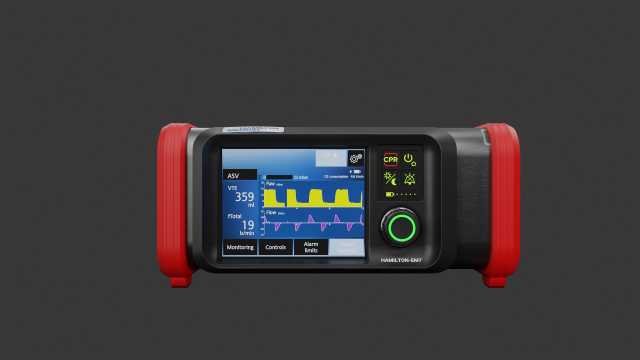
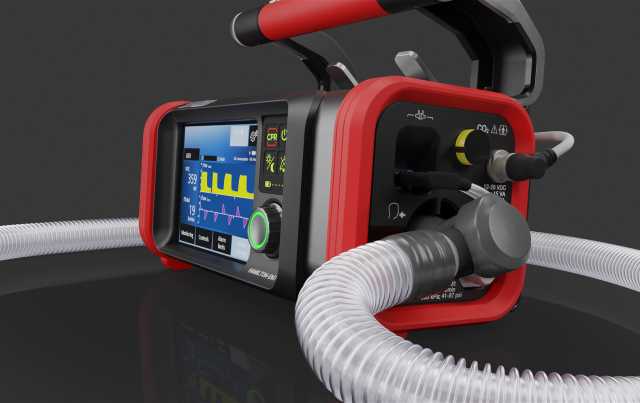
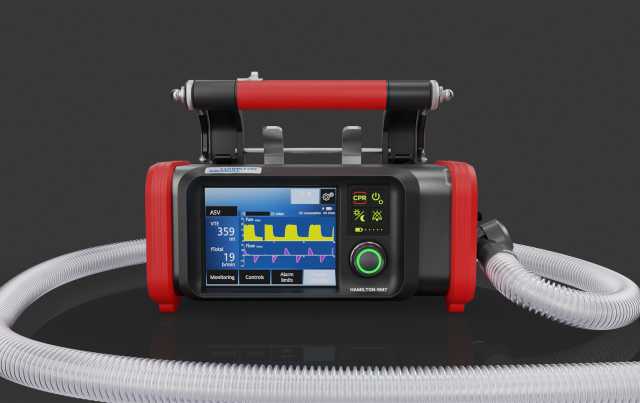
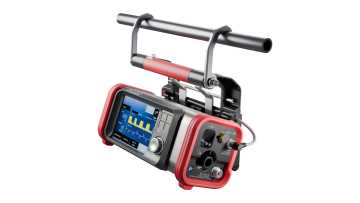
HAMILTON-EM7。

在紧急护理中自信通气

HAMILTON-EM7

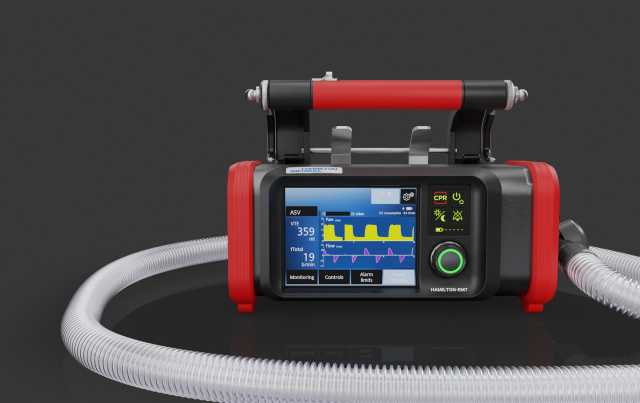
小巧、耐用、功能强大。HAMILTON-EM7

  • 紧凑轻量型设计
  • 坚固的铝制外壳
  • 续航时长达 9 小时
  • 适用于成人和儿童病人
  • 有创和无创通气,包括氧气治疗
HAMILTON-EM7
HAMILTON-EM7

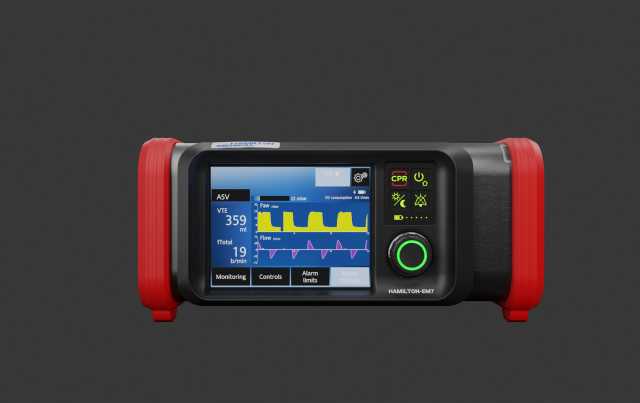
小巧、耐用、功能强大。 HAMILTON-EM7

  • 紧凑轻量型设计
  • 坚固的铝制外壳
  • 续航时长达 9 小时
  • 适用于成人和儿童病人
  • 有创和无创通气,包括氧气治疗
HAMILTON-EM7

高性能呼吸机。 提供高质量的无创通气治疗

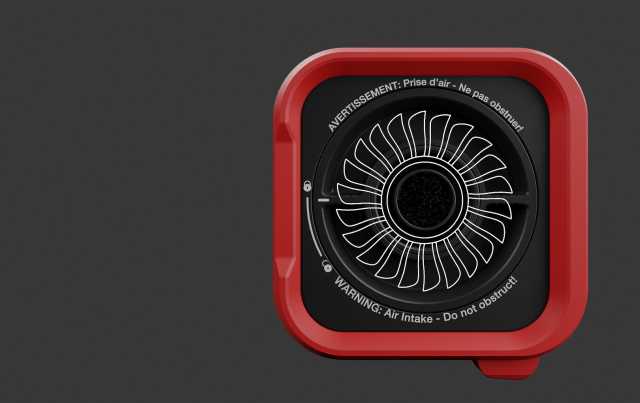
强大的集成涡轮提供 >215 l/min 的流量,以满足面罩通气病人的需求。

HAMILTON-EM7

对位卡合。 通用安装解决方案

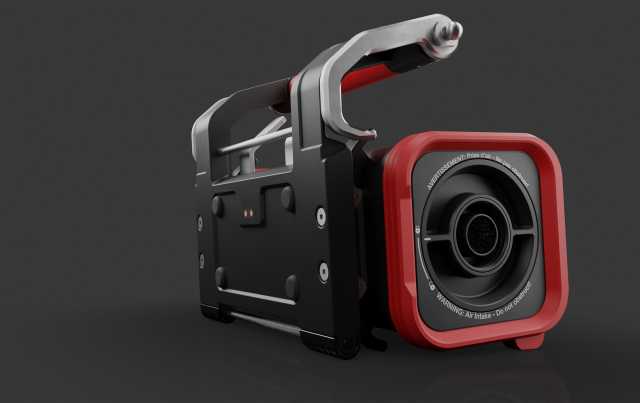
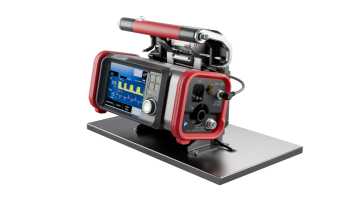
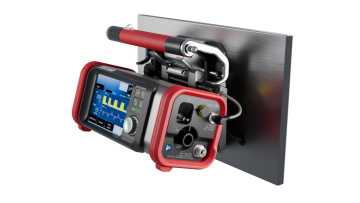
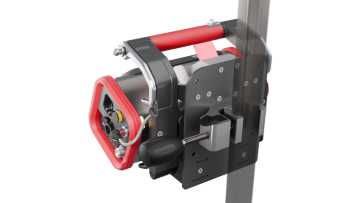
HAMILTON-EM7 具有多种安装选项,可无缝集成到您的特定环境中。将其轻松安装在标准轨道或输液架上,只需一只手即可解锁,方便快捷。

HAMILTON-EM7

集成设计,方便使用。 一体化呼吸装置

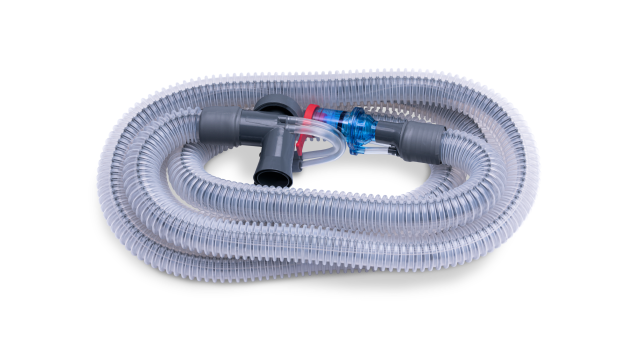
预组装的呼吸装置,配有集成压力管路、呼气阀和流量传感器,安装简单。

HAMILTON-EM7

极致简约。 整体设计清晰明了

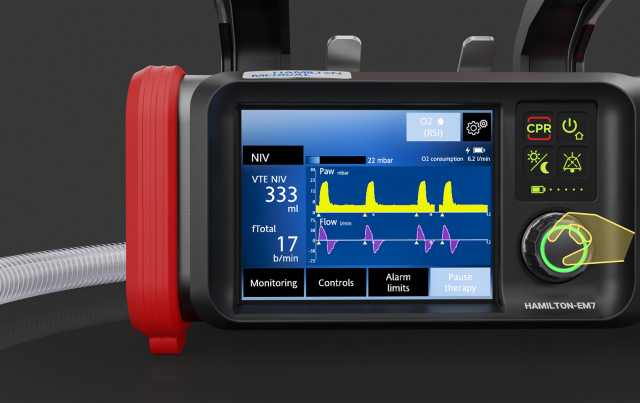
按压式旋钮和硬键与彩色触摸屏结合使用实现直观操作,界面简洁、易用,仅显示相关的监测和波形数据。

HAMILTON-EM7

工作流程支持。 从启动到插管

  • 快速设备启动,包括设备自检
  • 引导下进行操作前检查和病人配置
  • CPR 通气设置
  • ASV(适应性支持通气)
  • RSI
HAMILTON-EM7

时刻相伴。 性能可靠,值得信赖

HAMILTON-EM7 旨在随时随地提供可靠的通气。其适用于具有挑战性的环境和各种呼吸系统疾病,可提供稳定的性能,帮助医疗专业人士提供有效的病人护理。

HAMILTON-EM7

使用区域

不可不知

""

为您的任务做好准备。 适配所需的规格

  • 宽 x 深 x 高:280 x 133 x 126 mm(无手柄)

  • 重量轻: < 4.5 kg

  • 电池续航时间: 最长 9 小时

  • HAMILTON-EM7 配备 Hamilton Connect 模块。

  • 专门开发的接口协议允许连接第三方设备,通过蓝牙从呼吸机传输数据。

  • 容量控制模式:(S)CMV、SIMV

  • 压力控制模式:PCV+、DuoPAP、自主呼吸

  • 智能通气:ASV

  • 无创通气模式:无创通气NIV-ST、CPAP、氧气治疗(高气体流量超过 15 l/min)

  • 有创和无创通气的快速启动模式可自由定制。

  • 可以停用未使用的模式。

想要了解更多信息?
探索 3D 模型

从各个角度发现 HAMILTON-EM7,点击热点,以了解更多信息。

使用智能功能简化您的工作流程

随时待命! 快速完成操作准备

HAMILTON-EM7 可以在约 30 秒内启动,包括初始自检。一旦病人完成配置,将在基于工作流程的操作前检查帮助下,在不超过 90 秒内逐步完成备机。

氧气治疗。 现场氧合

氧气治疗在院前环境中是一种有价值的工具,可以为有需要的病人提供更好的氧合,而且不需要插管。

此选项使您能够在现场有效地实施精确的预氧合。

无创通气。 您的第一道防线

在无创通气、NIV-ST(仅适用于 HAMILTON-T1a)或 CPAP(仅适用于 HAMILTON-EM7b)模式之间进行选择,在一系列不同的场景中为您提供支持,并确保增加病人舒适度。

与使用压缩空气的呼吸机相比,我们的涡轮驱动呼吸机能够提供更高的峰值流量。这就保证了即便漏气严重也具有高性能。

快速顺序插管 (RSI) 支持 从预氧合到插管

HAMILTON-EM7 上的 RSI 模式支持用户从无创通气过渡到有创通气,为快速插管提供清晰的逐步指导。

CPR 通气。 专注于按压操作,而非呼吸机

在关键时刻,专注、速度和精确度至关重要,同时应尽量减少分心。进行复苏时,CPR 通气模式可根据国际指南自动调整通气设置 (Del Rios M, Bartos JA, Panchal AR, Atkins DL, Cabanas JG, Cao D, Dainty KN, Dezfulian C, Donoghue AJ, Drennan IR, Elmer J, Hirsch KG, Idris AH, Joyner BL, Kamath-Rayne BD, Kleinman ME, Kurz MC, Lasa JJ, Lee HC, McBride ME, Raymond TT, Rittenberger, JC, Schexnayder SM, Szyld E, Topjian A, Wigginton JG, Previdi JK.Part 1: executive summary: 2025 American Heart Association Guidelines for Cardiopulmonary Resuscitation and Emergency Cardiovascular Care.Circulation.2025;152(suppl):S284–S312. doi: 10.1161/CIR.0000000000001372 101​, Greif R, Lauridsen KG, Djärv T, et al.European Resuscitation Council Guidelines 2025 Executive Summary.Resuscitation.2025;215 Suppl 1:110770. doi:10.1016/j.resuscitation.2025.110770102)。

它通过快速访问可预配置的设置、适当的报警和触发调节以及 CPR 计时器显示来支持您。

基于时间的二氧化碳图。 支持做出明智的决定

二氧化碳图可持续监测 etCO2,以实时评估通气效果、气道完整性和病人状态。

在呼吸支持、心脏骤停管理和转运过程中,可为您提供即时反馈,助力做出更安全、更明智的决定。

ASV - Adaptive Support Ventilation®。 为您及您的病人提供支持

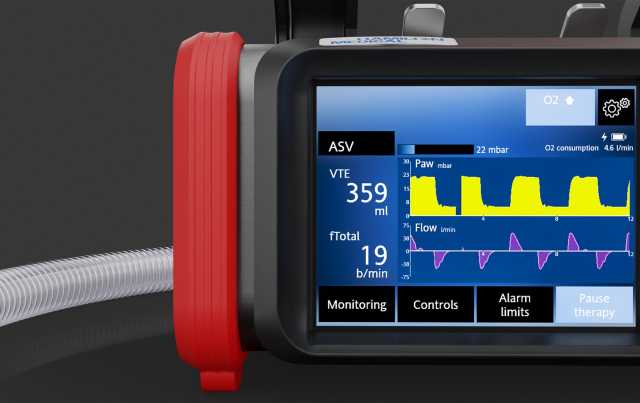
ASV 是一种适应性通气模式,能够根据病人的肺力学和努力程度持续调整通气设置。

这为主动和被动插管病人提供了一种模式,并且只有三个参数来控制 CO2 排出状态和氧合状态,有助于简化院前转运团队的通气操作。

网式雾化器。 适用于额外治疗

输送药物气溶胶粒子的细水雾有助于您恢复支气管痉挛、提高通气效率和减少高碳酸血症 (Dhand R. New frontiers in aerosol delivery during mechanical ventilation.Respir Care.2004;49(6):666-677.100​​)。 

方便的耗材

运行呼吸机所需的基本耗材

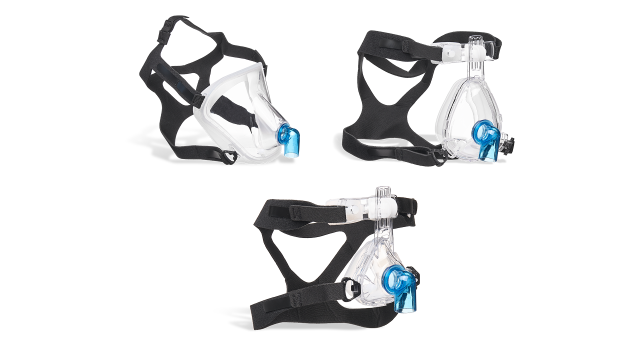
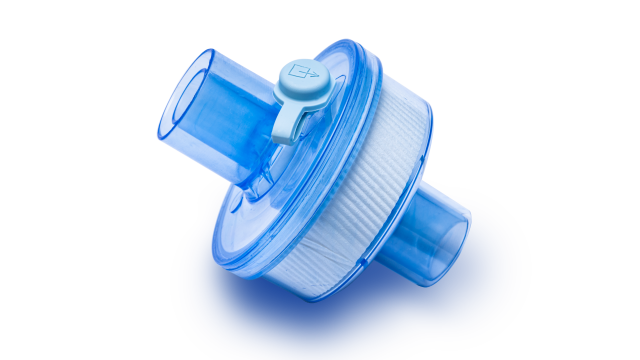
Hamilton Medical 哈美顿医疗公司的基本耗材可确保我们的呼吸机发挥最佳性能。为确保最大用户满意度和病人安全,我们根据最高的质量和安全标准为您设计了易于使用的产品。 

开始您的呼吸机培训

""

掌握窍门! 学习路径和模拟

HAMILTON‑EM7 学习中心提供易于遵循的学习路径,以便您能够尽快了解您的呼吸机及其技术。

然后,使用我们 VenTrainer 应用程序中的虚拟病人模型,在安全的环境中尝试您新学到的技能!

我们的 360°服务

""

随时待命,即刻就绪。 您的院前转运护理伙伴

Hamilton Medical 哈美顿医疗公司院前团队致力于在院前环境转运期间,围绕机械通气提供全面的服务和支持。

EMS_Prehospital-team_Contact-us

有问题? 取得联系!

我们的院前团队很乐意解答您的问题并提供专家咨询。

New frontiers in aerosol delivery during mechanical ventilation.

Dhand R. New frontiers in aerosol delivery during mechanical ventilation. Respir Care. 2004;49(6):666-677.

The scientific basis for inhalation therapy in mechanically-ventilated patients is now firmly established. A variety of new devices that deliver drugs to the lung with high efficiency could be employed for drug delivery during mechanical ventilation. Encapsulation of drugs within liposomes could increase the amount of drug delivered, prolong the effect of a dose, and minimize adverse effects. With improved inhalation devices and surfactant formulations, inhaled surfactant could be employed for several indications in mechanically-ventilated patients. Research is unraveling the causes of some disorders that have been poorly understood, and our improved understanding of the causal mechanisms of various respiratory disorders will provide new applications for inhaled therapies.

2025 American Heart Association Guidelines for Cardiopulmonary Resuscitation and Emergency Cardiovascular Care

Del Rios M, Bartos JA, Panchal AR, Atkins DL, Cabanas JG, Cao D, Dainty KN, Dezfulian C, Donoghue AJ, Drennan IR, Elmer J, Hirsch KG, Idris AH, Joyner BL, Kamath-Rayne BD, Kleinman ME, Kurz MC, Lasa JJ, Lee HC, McBride ME, Raymond TT, Rittenberger, JC, Schexnayder SM, Szyld E, Topjian A, Wigginton JG, Previdi JK. Part 1: executive summary: 2025 American Heart Association Guidelines for Cardiopulmonary Resuscitation and Emergency Cardiovascular Care. Circulation. 2025;152(suppl):S284–S312. doi: 10.1161/CIR.0000000000001372

European Resuscitation Council Guidelines 2025 Executive Summary.

Greif R, Lauridsen KG, Djärv T, et al. European Resuscitation Council Guidelines 2025 Executive Summary. Resuscitation. 2025;215 Suppl 1:110770. doi:10.1016/j.resuscitation.2025.110770

The 2025 European Resuscitation Council (ERC) Guidelines present the most up-to-date evidence-based guidelines for the practice of resuscitation across Europe. The ERC Guidelines 2025 are based on evidence produced by the International Liaison Committee on Resuscitation (ILCOR) in the form of systematic reviews, scoping reviews, and evidence updates, published as the ILCOR Consensus on Science with Treatment Recommendations. The certainty of evidence of these ILCOR treatment recommendations was used to issue the ERC Guidelines 2025 Recommendations. In some cases, the ERC made good practice statements when evidence was absent for certain topics. If no ILCOR review was available, the ERC writing groups conducted their own reviews to provide recommendations. The ERC Guidelines 2025 cover the epidemiology of cardiac arrest, the role that systems play in saving lives, adult basic life support, adult advanced life support, resuscitation in special circumstances, post resuscitation care, newborn resuscitation and support of transition of infants at birth, paediatric basic and advanced life support, resuscitation ethics, education for resuscitation, and first aid. These guidelines are a framework of recommendations for the approach to out-of-hospital and in-hospital resuscitation; the implementation is achieved locally taking local legislation and health care regulations into consideration.